Skip to Content

Soar Past
the Sky


Stop doom-scrolling. Start star-clicking. Space Pilgrim covers the rockets, rivalries and risks. Your launch date is coming soon. Get ready.

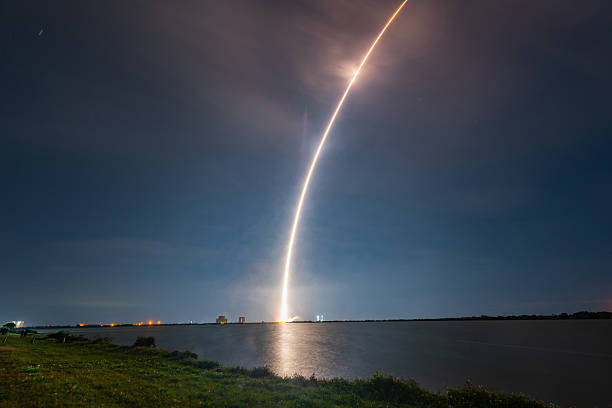
NEXT LAUNCH: _06/02/2026 - Falcon 9 (Starlink 17-47)_
SLC-4E, Vandenberg Space Force Base, California

Space Pilgrim

Keep dreaming. Keep exploring.
Space Pilgrim
Space Pilgrim

Dedicated to the guys who check the launch schedule before checking their email.

You know who know we're watching the infrastructure of a new space age getting built, and you don't wanna miss a thing. This isn't a fan club for any single agency or CEO. We cover NASA and Space Force, SpaceX and Blue Origin, the startups that might make it and the ones that are already gone. We dig into the missions that defined spaceflight, the suits that keep people alive, the psychological toll of long-duration crews, and the deep-space questions nobody can answer yet. Let's go.
Space Pilgrim

Main Topics

Your complete guide to leaving this planet.

There is no such thing as a perfect rocket. There are only rockets that fly and rockets that don't.

Gwynne Shotwell, SpaceX President
The machines that get us off the ground are the backbone of everything. From the Saturn V's thunder to Starship's stainless-steel ambition, rockets are engineering at its most violent and precise.
We break down which boosters are flying, which ones are worth your attention, and where to see them launch in person. No fanboy coverage—just straight comparisons, failure stories, and the tech that separates showpieces from workhorses.

We choose to go to the Moon not because it is easy, but because it is hard.

John F. Kennedy
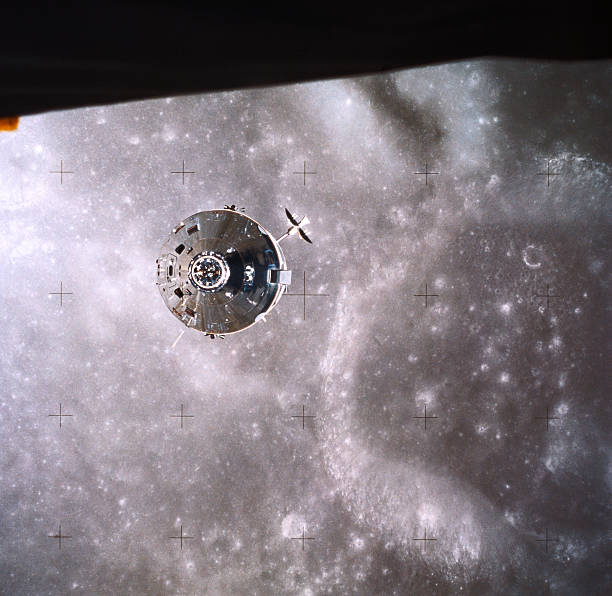
Every rocket exists to carry something somewhere. The missions—Apollo's close calls, the rovers that outlived their warranties, the upcoming Artemis pushes—are where the hardware meets human ambition and sometimes human error.
We track past missions that shaped the playbook and future missions that will define the next decade. From Mars sample returns to Europa flybys, these are the flights that matter and the ones you should actually follow.

The Earth is the cradle of humanity, but one cannot live in a cradle forever.

Konstantin Tsiolkovsky
Getting there is one problem. Staying there is another entirely. Life in space means solving for oxygen, food, radiation, isolation, and medical emergencies with no hospital downstairs and no quick ride home.
We explore what it would actually take to live on Mars, farm in orbit, or survive a lunar night. These aren't sci-fi thought experiments—they're the real challenges engineers are grinding on right now, and the timeline might be shorter than you think.

Somewhere, something incredible is waiting to be known.

Carl Sagan
Beyond the Moon and Mars lies everything else. Black holes, fast radio bursts, exoplanets, the Fermi paradox, and the uncomfortable silence that has us questioning whether anyone else is out there at all.
We cover the theories, the telescope data, and the questions that sit at the edge of what science can currently answer. Deep space is where the mystery lives, and we lay out what's known, what's debated, and what might change everything.

The spacesuit is a small spacecraft, and it has to do everything a spacecraft does.

Chris Hadfield, astronaut
The stuff that keeps people alive in the void doesn't get enough attention. Real spacesuits, survival kits, EVA tools, watches that went to the Moon, and the food that astronauts actually eat—this is the hardware you can touch.
We dig into the gear that works, the designs that stuck, and the sci-fi suits that influenced real engineering. If it keeps a human breathing in vacuum or just looks incredible doing it, we cover it with the detail it deserves.

Go Further

Every rabbit hole goes deeper.

Space doesn't come with a manual, so we built the next best thing. Dive deeper into the rockets, missions, and tech that matter most—curated guides, launch schedules, gear breakdowns, and straight answers to the questions you didn't know you had. No prerequisites, just useful knowledge. Learn more.
Space Cam

24/7 NASA Livestream

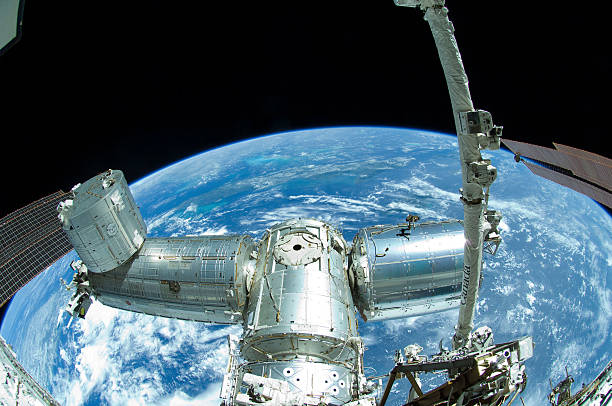
The International Space Station is 260 miles (420 km) above the planet in a low earth orbit. It takes 90 minutes for the ISS to complete one orbit around the earth. During that time it passes into the dark side of the earth for half the day.

Space News

Latest Articles

New rockets, upcoming launches, and the stories shaping humanity's push off this planet. No astronomy degree required.