EVA frequency and the suit maintenance cycle
The first twelve months of Lunar Base Operations are not about exploration. They are about survival, data collection, and proving that the hardware works. The surface of the Moon is a vacuum with razor-sharp dust, extreme temperature swings, and radiation that would make a Chernobyl liquidator wince. Every time a crew member steps outside that habitat, they are trusting a suit that has about as much material as a high-end tent but has to function perfectly in an environment that wants to kill you. That trust is built on a maintenance cycle that is more demanding than any oil change or brake job you have ever done.
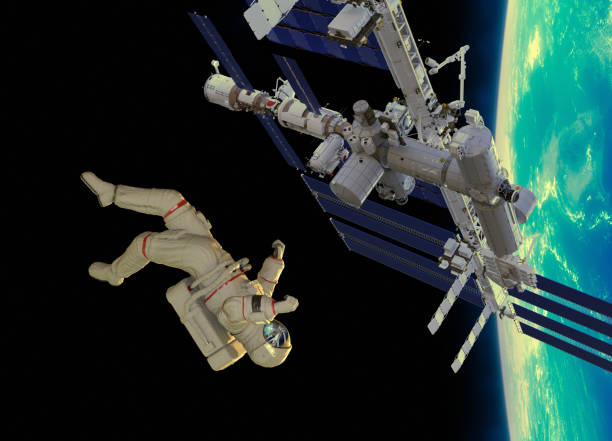
EVA frequency is dictated by mission objectives, but more often by the limits of the suits themselves. In the first year, the goal is not to run marathons on the surface. Planned EVAs will likely happen every other day at most, each lasting between four and six hours. That sounds sparse, but consider this: after an EVA, the suit needs to be decontaminated, inspected, recharged, and stored. That process takes roughly twice as long as the EVA itself. If you walk on the Moon for five hours, you are looking at ten hours of post-walk work for the crew. That is a full workday just to keep the suit ready for the next use.
The suit maintenance cycle breaks down into three critical phases. First is the post-EVA inspection. Every square inch of the outer layer is checked for micrometeoroid impacts, tears, or abrasion from lunar regolith. That dust is not like sand on a beach. It is glass-sharp, electrostatically charged, and it gets into every joint and seal. Any breach in the pressure garment means the suit is grounded until it is repaired or replaced. In the first year, suits are a finite resource. You do not have a closet full of spares. If you bust a suit, you are staying inside until a resupply mission arrives, which could be months away.
The second phase is the life support system overhaul. The backpack that provides oxygen, removes carbon dioxide, and regulates temperature needs to be drained, refilled, and tested. The water for cooling loops has to be checked for biological growth or contamination. The primary lithium hydroxide canisters that scrub CO2 have a limited absorption capacity, and swapping them out isn’t as simple as popping a new battery into a drill. You have to verify seals, check for leaks, and run a full diagnostic. Any anomaly means you do not go EVA until you find the root cause.
The third phase is the soft goods inspection. The inner bladder, the helmet lining, the glove cuffs, the urine collection system—these are the parts that wear out fastest. Gloves are the most vulnerable. They are the interface between the human and the task, and they take constant abuse from gripping tools, scraping against rocks, and flexing against the pressure differential. In the first year, each crew member will go through multiple sets of gloves. A single tiny tear can cause a catastrophic depressurization. The maintenance cycle demands that gloves are inspected after every EVA and replaced at the first sign of wear, not when they fail.
So what does this mean for the daily life of a lunar base crew? It means that EVA frequency is not a sprint. It is a deliberate, conservative cadence. You do not go out just because you want to. You go because the mission plan says it is time, and you have verified that the suit is ready. The first year is about building a cadence that prioritizes safety over spectacle. There will be no spontaneous moonwalks. Every step outside is a premeditated, heavily documented operation that ends with hours of cleaning and checking.
If you are following this from the comfort of your couch, remember that the future of space travel is not just about rockets and landings. It is about maintenance. It is about the daily grind of keeping equipment working in an environment that actively destroys it. The first year on the Moon will be a testament to the patience and discipline of the people who choose to live in a tin can and work in a machine that requires more care than a vintage muscle car. They will walk on another world, but they will also spend a lot of their time scrubbing dust out of zippers and reading pressure test data. That is the real life in space.
Space News
Latest Articles
New rockets, upcoming launches, and the stories shaping humanity's push off this planet. No astronomy degree required.