Meal preparation and the hot sauce dependency
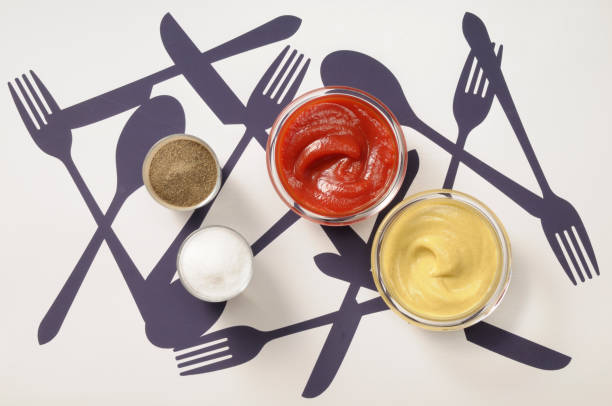
This is where hot sauce comes in. Tabasco has flown on the International Space Station for decades for a reason. It covers up the blandness. It’s a psychological crutch. But here’s the hard truth for anyone planning to spend years on Mars or in a rotating O’Neill cylinder: you can’t pack enough hot sauce to cover every meal for five years. That’s the food problem that space farmers are actually trying to solve. And it’s a lot more complicated than growing lettuce in a plastic tube.
Right now, NASA and private companies like SpaceX are betting on hydroponic and aeroponic systems to produce fresh vegetables on station. Lettuce, radishes, peppers, tomatoes. The technical challenges are brutal: no gravity means water doesn’t flow downward, roots float in nutrient mist, and plants need specialized LED light recipes to photosynthesize. We’ve already seen success. Astronauts on the ISS have harvested and eaten red romaine lettuce. They’ve grown zinnias. They’ve even sprouted chile peppers. But here’s the catch that nobody in the marketing departments wants to admit: fresh produce in space is a luxury, not a staple. The volume required to feed a crew of four for a single year is roughly the size of a shipping container per person. And that container weighs a ton. Launch costs are still thousands of dollars per pound. So you’re not growing a salad bar. You’re growing supplements for shelf-stable rations that have been sitting in a pantry for three years.
That’s where the hot sauce dependency becomes a real engineering problem. If a crew relies on hot sauce to mask the off-flavors of dehydrated potatoes, thermostabilized chicken, and rehydrated egg mix, then you have to either produce that hot sauce on-site or ship it. Shipping it is wasteful. Producing it on-site means you need the crops to make it. Peppers, vinegar, salt. Peppers are actually a good candidate for space farming. They’re compact, grow quickly, and have high value per gram. NASA’s Plant Habitat-04 experiment successfully grew Hatch chile peppers on the ISS. The crew reported they were a game-changer for morale. But here’s the reality check: those peppers took 137 days to grow. For a crew of four, you’d need multiple staggered crops just to have a single bottle of hot sauce per week. That’s a lot of space, water, and power for a condiment.
The alternative is to fix the food itself. Researchers are working on “space comfort” food development, trying to engineer shelf-stable meals that don’t lose flavor over time. They’re exploring fermentation as a preservation method that also creates complex, savory compounds. Miso, fermented grains, and pickled vegetables could provide the umami and acid profiles that humans crave without the need for repeated hot sauce injections. But fermentation in space is tricky. Gas pressure from fermentation could burst containers in a sealed habitat. Microgravity affects how bubbles form and how microbes interact with their substrate.
The real solution, though, is not about the sauce. It’s about the mindset of the crew. Every astronaut who has spent more than six months in space will tell you that food becomes a psychological anchor. Meals are a ritual. They break the monotony. They remind you of Earth. If you’re a guy in his twenties training for a two-year mission to Mars, you need to prepare yourself for the fact that your taste buds are going to betray you. Your favorite buffalo wings will taste like wet socks. Your morning coffee will smell like burnt rubber. Hot sauce will be your lifeline, but you’ll need to plant the peppers yourself, tend them under artificial light, and harvest them for a three-month cycle to get a half-cup of sauce that you’ll ration like gold.
That’s the future of space farming. It’s not about producing five-star cuisine. It’s about producing enough flavor to keep a crew sane while they drink recycled urine and eat algae-based protein bars. The hot sauce dependency isn’t a joke. It’s a design constraint. Until we can engineer a meal that tastes like home after three years in a tin can, the most important crop in space won’t be wheat or soy. It’ll be the chile pepper. And you better get used to growing your own.
Space News
Latest Articles
New rockets, upcoming launches, and the stories shaping humanity's push off this planet. No astronomy degree required.