Nuclear Thermal Propulsion: The Real Upgrade to Chemical Rockets

Nuclear thermal propulsion changes the equation. Instead of burning chemicals, it uses a nuclear reactor to heat propellant. Hydrogen is the usual choice because it is the lightest element. Heat it to thousands of degrees, push it through a nozzle, and you get exhaust velocities chemical rockets cannot match. Specific impulse lands in the 800 to 900 second range. That is roughly twice the efficiency. Double the efficiency means less propellant for the same mission, or more payload for the same rocket.
The engine itself is not as crazy as it sounds. A nuclear thermal rocket has a reactor core loaded with uranium fuel. Liquid hydrogen flows through channels in the core. Fission splits atoms and produces intense heat. The hydrogen absorbs that heat and expands violently. It blasts out the back through a nozzle. The hydrogen is not burning; it is a working fluid. You get high thrust and high efficiency at the same time. Nuclear electric systems have great efficiency but low thrust. Chemical rockets have high thrust but low efficiency. Nuclear thermal sits in the sweet spot for crewed missions.
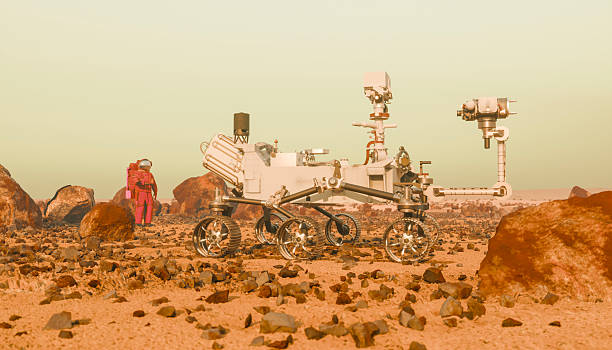
Why does that matter for Mars? A chemical mission has to carry so much propellant that the spacecraft gets heavy fast. That forces slow trajectories and long waits. A nuclear thermal stage can cut the transit time to roughly three to four months instead of seven to nine. Shorter trips mean less time exposed to cosmic radiation. They mean less food, water, and oxygen. They also open up mission profiles that chemical rockets simply cannot do, like sending heavy cargo to the Moon or pushing science probes to the outer planets with more power and flexibility.
This is not new technology. In the 1950s and 1960s, NASA and the Atomic Energy Commission ran Project Rover and NERVA. They built and tested nuclear thermal engines on the ground. The hardware worked. The program got canceled after Apollo because the political priorities changed and the budget dried up. It was not canceled because the physics failed. That is an important distinction. We already know how to make this engine. The challenge is making it safer, lighter, and ready to fly.
Now the interest is back. DARPA and NASA are working on the DRACO program, which aims to demonstrate a nuclear thermal engine in space. Companies like Lockheed Martin and BWXT are involved. The goal is a flight test in the late 2020s. If it works, it becomes a building block. A reusable nuclear tug could move cargo between Earth orbit and the Moon. A Mars transfer vehicle could use nuclear thermal for the main burn and electric propulsion for fine adjustments.
The hard parts are real. Nuclear launch approval is a legal and political maze. The reactor has to be safe before it is turned on. Hydrogen is hard to store because it boils off. Reactor materials must survive hot hydrogen, radiation, and thermal cycling. Crew shielding adds mass. Ground testing can be controversial. None of these problems are magic. They are engineering and policy problems. They cost money and take time. But they are solvable.
If the United States wants a real deep space program, chemical rockets alone will not cut it. They got us to the Moon. They will keep launching satellites and crews to low Earth orbit. For Mars and beyond, we need something with more punch and better fuel economy. Nuclear thermal propulsion is the most practical next step. It is proven enough to build, powerful enough to matter, and close enough to test. The first crewed Mars mission might not ride on a giant chemical rocket. It might ride on a reactor.
Space News
Latest Articles
New rockets, upcoming launches, and the stories shaping humanity's push off this planet. No astronomy degree required.