The survival manual and the illustrated instructions
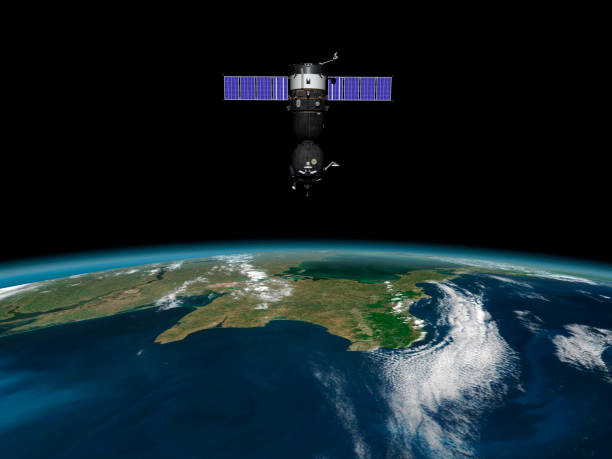
The Soyuz spacecraft has been flying since 1967. Over fifty years of spaceflight, through fires, depressurizations, and ballistic re-entries, the landing kit has been the last line of defense. It is designed for one purpose: to keep a crew alive for 72 hours in the Siberian wilderness after a crash landing. The gear inside is not about comfort. It is about not dying. And the instructions for how to use that gear are not a PDF or a YouTube video. They are a small, waterproof booklet with hand-drawn illustrations. No text. Just pictures. Because when you are in a Soyuz capsule that just slammed into the Kazakh steppe at 30 feet per second, you might not be in the mood to read English or Russian. You need pictures.
The illustrated instructions cover three scenarios: landing on land, landing in water, and landing in a forest. Each page shows a stick figure doing exactly what you need to do. Put on the survival suit. Inflate the raft. Fire the signal pistol. Build a shelter from the parachute canopy. There is no ambiguity. There is no “tip” or “pro trick.” The manual assumes you are disoriented, possibly injured, and definitely cold. The drawings are crude, but they are the most reliable gear you have because they cannot fail. Batteries die. Radios break. A laminated page of stick figures does not care about the cold.
Now let’s talk about the actual gear in the NAZ kit. It is a masterclass in no-nonsense design. The handgun is a Makarov PM, not because it is a great combat pistol, but because it is simple, reliable, and fires a cartridge that can be used for signaling. The knife is a long, fixed-blade survival knife with a hollow handle that holds matches and a compass. It is heavy. It is ugly. It will never break. There is a fishing kit with hooks and line that are thicker than you would buy at a sporting goods store because your hands might be numb. The signal flares are old-school, pyrotechnic style. No LEDs. No GPS beacon. Just a tube of fire you aim at the sky. The rations are high-calorie bars that taste like cardboard but keep you alive. There is a water purification kit that looks like a first-generation camping filter, but it works. And there is a folded saw blade that attaches to a tree branch. Because if you are in Siberia, you need to cut wood, and you cannot carry a chainsaw in a backpack.
The genius of this kit is that it does not try to do everything. It does not have a survival blanket that doubles as a solar charger. It does not have a multitool with seventeen functions. The Soyuz Landing Kit has exactly what you need, and nothing you do not. Every item has been tested, retested, and tested again by cosmonauts who landed off-target in snow, mud, and forest. The illustrated instructions are part of that ethos. They are not a manual you read before you go. They are a manual you use while you are there. The page for building a shelter shows you how to drape the parachute over a ridgepole. The page for water shows you where to dig a hole to collect groundwater. The page for signaling shows you the correct angle to fire a flare so it does not set the forest on fire. These are lessons learned from actual emergencies, drawn by someone who knew that the person holding the book might be hypothermic and scared.
For American men in their twenties who follow space travel, the Soyuz Landing Kit is a reality check. The future of space travel is not going to be a Virgin Galactic lounge with champagne and Wi-Fi. It is going to be a Soyuz-style capsule, or something like it, dropping into the Pacific Ocean or the Utah desert. The survival gear you need is not the stuff you buy at REI. It is the stuff that has been proven in real emergencies, by real astronauts and cosmonauts, under real conditions. The illustrated manual is the most important piece of gear because it teaches you how to use every other piece of gear. Without it, the fishing hooks are just metal. With it, they are your dinner.
So next time you read about SpaceX or Blue Origin or the Artemis program, ask yourself: where is the survival kit? Who drew the pictures? How thick is the canvas? The Soyuz Landing Kit has been saving lives for fifty years, and it is still the gold standard. The manual and the illustrations are not an afterthought. They are the reason the gear works. That is the kind of engineering that deserves your respect.
Space News
Latest Articles
New rockets, upcoming launches, and the stories shaping humanity's push off this planet. No astronomy degree required.