Alcohol in space and the Russian cultural norm
The Russian norm around alcohol in space isn’t about getting drunk. It’s about ritual. Cosmonauts have reportedly been allowed—off the record, through tacit agreement—to bring small bottles of cognac or vodka for special occasions: birthdays, holidays, or just the end of a particularly rough week. The practice was never officially sanctioned by Roscosmos, but it was tolerated. In the early days of the Salyut and Mir stations, crew members would sip a few grams of cognac as a way to relax, improve morale, or even treat minor colds (alcohol was sometimes used as a makeshift antiseptic). The logic was simple: a tiny amount of alcohol, consumed with discipline, could break the monotony of a cramped metal tube and help crews bond.
The psychology behind this is critical for any long-duration crew. Space is a high-stakes, low-stimulation environment. You have the same four people, the same recycled air, the same gray walls for months on end. Stress, fatigue, and irritation pile up. In that context, a shared drink is not about intoxication—it’s about signaling normalcy. It’s a micro-celebration of being human. American astronauts, by contrast, operate under a strict zero-alcohol policy. NASA’s argument is sound: even a tiny buzz in microgravity could cause disorientation, and an ethanol spill in a zero-G environment is a fire risk and a contamination hazard. The agency also worries about the perception of professional astronauts drinking on the taxpayer’s dime.
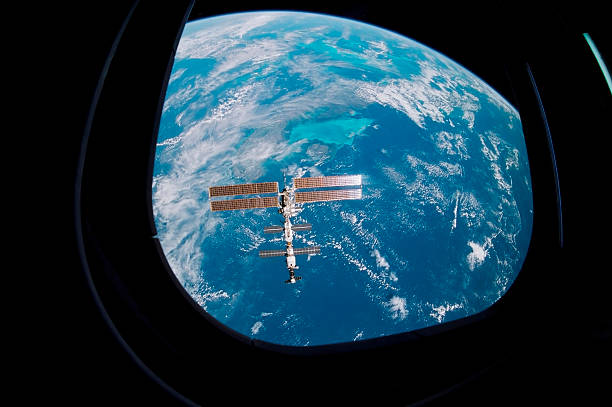
But here’s where the Russian cultural norm bumps up against American caution. On the International Space Station, where American and Russian crews live together for six months at a time, this difference has created a quiet cultural friction. American astronauts generally follow the rules. Russian cosmonauts have been known to discreetly pack a few small smuggled bottles. The result is an unspoken tension: the Russian crew sees their ritual as harmless morale support, while the American side views it as a breach of protocol. Neither side is wrong. It’s a clash of two fundamentally different approaches to risk and human psychology.
The Russian approach, whether you agree with it or not, acknowledges a truth that NASA’s rulebook sometimes ignores: humans need rituals to stay sane in extreme environments. The act of sharing a small glass of cognac on a Sunday evening—after 100 days in space—can be more stabilizing than any battery of psychological surveys. It’s a reminder that you are still a person, not just a crewmember with a schedule. This is why, for a long-duration mission to Mars, the question of alcohol won’t go away. You can’t pretend that a crew of six will thrive on pure discipline and exercise for three years. They will need small, low-risk pleasures. A glass of wine with dinner, a sip of whiskey on a birthday—these are not luxuries. They are psychological fuel.
The real challenge is engineering a safe way to do it. Russian cosmonauts have used vacuum-sealed foil pouches and careful portion control. Some companies, like a few Japanese breweries, have tested beer that produces less foam in microgravity. But NASA has no interest. The agency’s stance is that any alcohol in the closed-loop water system could contaminate the recycling gear, and the fire risk is non-negotiable. Fair enough. But the psychological cost of a zero-fun policy on a three-year Mars mission could be higher than the risk of a single cognac spill.
The bottom line is this: the Russian cultural norm around alcohol in space isn’t about getting around the rules. It’s about survival. It’s a low-tech, high-touch solution to the problem of long-duration crew psychology. As space agencies plan for missions beyond low Earth orbit, they will have to decide whether to treat alcohol as a hazard to be eliminated or a tool to be managed. The Russian experience suggests that a little bit of vodka, handled with respect and discipline, can be part of the solution—not part of the problem. For the American men in their 20s reading this, the takeaway is straightforward: when you’re six months from Earth, inside a space station that smells like industrial-grade plastic, the ability to share a quiet drink with your crewmates might be exactly what keeps you from losing your mind. That’s not a weakness. That’s a survival strategy.
Space News
Latest Articles
New rockets, upcoming launches, and the stories shaping humanity's push off this planet. No astronomy degree required.