Medication stability and the radiation degradation
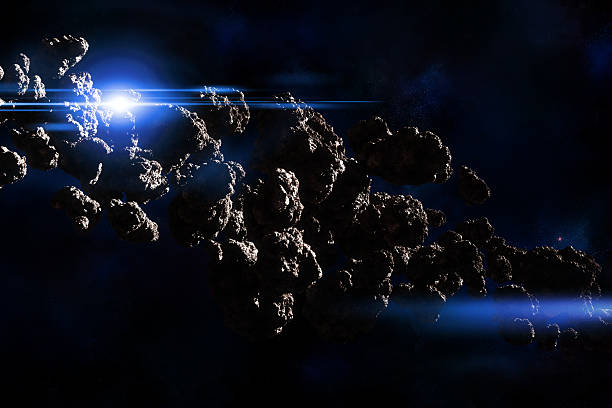
The core issue is radiation. Space isn’t just empty cold. It’s a constant bath of galactic cosmic rays and solar particle events. These aren’t like the X-rays you get at the dentist. They are high-energy protons and heavy ions that punch through spacecraft hulls, human tissue, and the molecular bonds of everything you bring along. For medications, this radiation acts like a microscopic demolition crew. It can break chemical bonds, alter crystalline structures, and trigger chain reactions that turn a perfectly good pill into an inert powder or a dangerous compound.
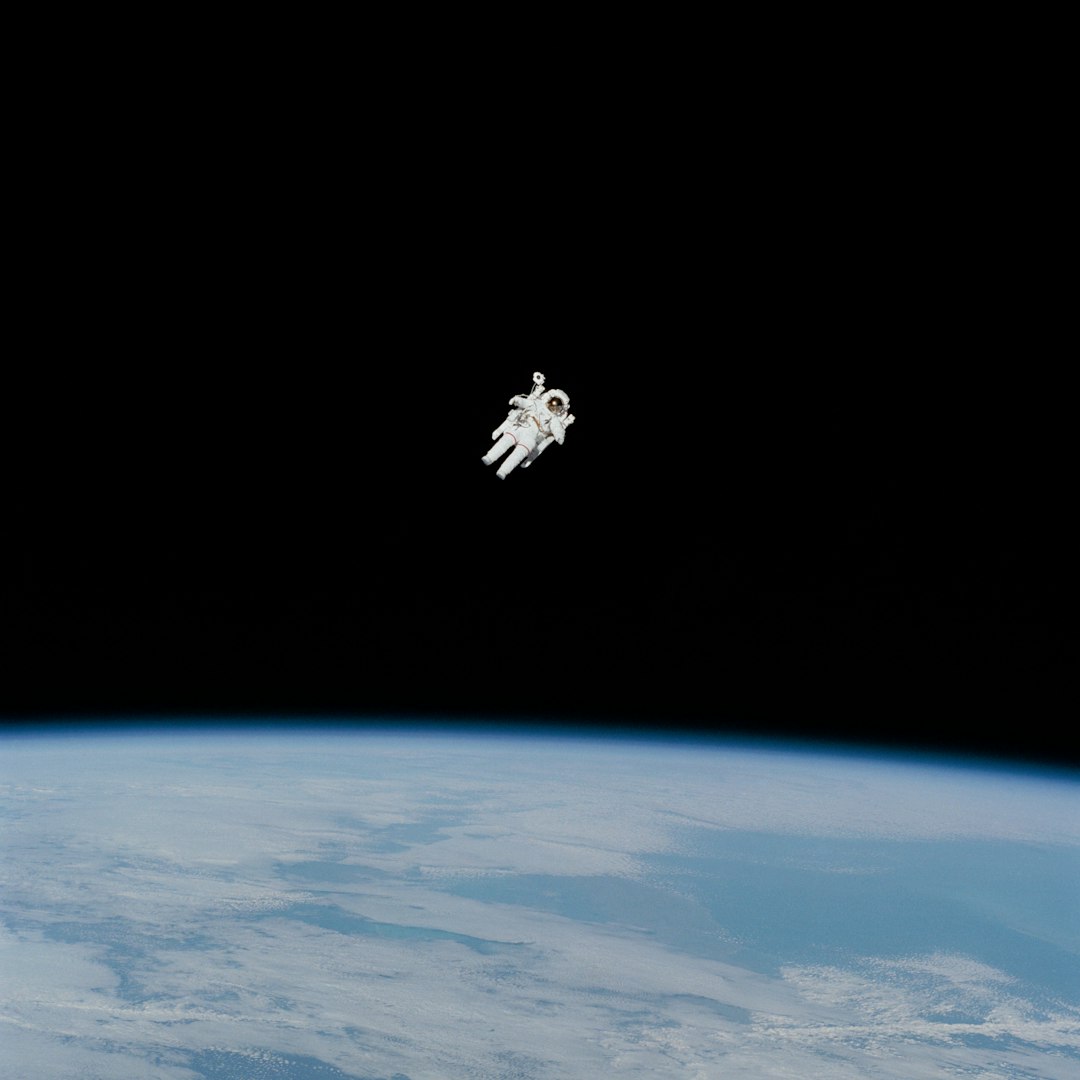
You might think, “Well, we’ve sent astronauts to the ISS for months at a time. What’s the big deal?” The difference is altitude and duration. The International Space Station orbits inside Earth’s magnetic field, which deflects a huge chunk of the nastiest radiation. A Mars mission leaves that protection behind. The radiation environment in deep space is orders of magnitude more intense. And the timeline is longer. A six-month ISS rotation is not the same as a three-year deep space transit. Even stable medications degrade over time at sea level. In deep space, that clock runs fast.
Researchers have started putting common drugs through the wringer. A 2016 study published in The AAPS Journal exposed 35 different medications to simulated deep space radiation doses. The results were sobering. Several drugs, including common ones for thyroid conditions, allergies, and inflammation, showed significant degradation. Some lost potency. Others formed new chemical byproducts that hadn’t been tested for safety. This means that a crew member relying on a daily dose of levothyroxine for their thyroid could gradually be taking a sugar pill. Or worse, a crew member taking an antihistamine for a sudden allergic reaction might get no relief because the active ingredient has been scrambled into something biologically useless.
This creates a dilemma for mission planners. You can’t just double the supply. Mass and volume are brutally expensive on a spacecraft. Every extra pound of pills means less fuel, less food, or less science equipment. The classic solution on Earth is to package drugs in blister packs, sealed bottles, and use desiccants. In space, that helps with humidity and oxygen—both of which are controlled in a closed habitat. But it does almost nothing against high-energy radiation. A photon or proton doesn’t care about a plastic bottle. It goes through it like a bullet through tissue paper.
So what are the options? The obvious one is shielding, but shielding a pharmacy is inefficient. You can’t wrap every pill bottle in ten centimeters of polyethylene or water. The better approach is to redesign the pharmaceuticals themselves. Some researchers are working on “rad-hard” drugs—modified chemical structures that resist bond breakage. Others are exploring novel packaging that incorporates radiation-absorbing materials into the bottle walls. Another idea is to keep medications in a dedicated shielded container that also doubles as part of the spacecraft’s structural mass, like a safe built into a wall panel.
There’s also the possibility of on-demand manufacturing. Instead of launching three years of pills, you launch stable raw ingredients in radiation-resistant powders and a compact 3D printer that assembles them into doses as needed. This approach is still in its infancy, but it offers a path forward. You control the final product’s exposure by creating it when needed, rather than letting it sit in a radiation field for months.
Then there’s the final frontier of this problem: emergency drugs. For antibiotics, painkillers, and anti-anxiety meds, you cannot afford failure. If a crew member develops an infection three hundred million miles from Earth, the antibiotics have to work. If they don’t, the consequences are not a call to a doctor—they are a death sentence. This forces mission designers to consider redundant systems, alternative drug classes, and even medical protocols that rely on lower-dose combinations to hedge against drug degradation.
The uncomfortable truth is this: space medicine is not just about diagnosing an appendicitis or treating a broken bone. It’s about solving basic pharmacy logistics in an environment designed to destroy chemistry. Every astronaut on a Mars mission will be a test subject for the pharmaceutical shelf life of a decade’s worth of medication under constant radiation bombardment. The companies and agencies that crack this code—whether through rad-stable chemistry, advanced shielding, or on-demand synthesis—will enable the next step in human exploration. Until then, every launch carries a quiet, unglamorous risk: that the pills in the medical kit don’t work when the clock starts ticking.
Space News
Latest Articles
New rockets, upcoming launches, and the stories shaping humanity's push off this planet. No astronomy degree required.