Blue Origin first crewed flight auction winner
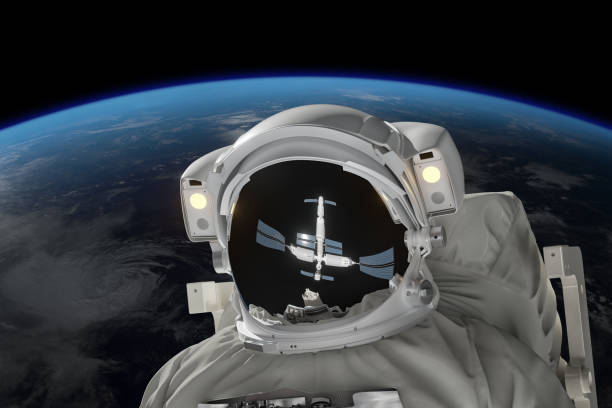
The commercial astronaut era is not about hardware. It’s not about thrust curves, fuel mixtures, or reentry angles. Those are important, sure, but they are the infrastructure. The destination is human. The whole point of Blue Origin, SpaceX, and Virgin Galactic is not to build better rockets—it’s to build a future where ordinary people can look out a window at the curve of the Earth. The auction winner, whoever he was, understood that. He put down twenty-eight million dollars for a ten-minute ride. That is not a rational economic decision. It is a statement of desire. It says: I want to see what I am. And that is exactly what space tourism is selling.
Let’s be real about the criticism. A lot of people hear “commercial astronaut” and roll their eyes. They see billionaires lighting money on fire while the planet burns. They see a stunt. And there is some truth to that. The first flights are expensive, exclusive, and symbolic. But symbolic matters. The first time a human stood on a mountain peak, it was useless. The first time someone crossed an ocean, it was a risk for glory, not profit. Every frontier starts with a leap that looks like nonsense to the people left behind. The auction winner took that leap. He didn’t do it to solve world hunger. He did it because he wanted to know. And that wanting—that deep, stubborn, pointless drive to see what’s up there—is exactly what got us out of the caves.
Think about what it takes to enter the commercial astronaut era. You don’t need to be a pilot. You don’t need a degree in astrophysics. You need a ticket and a willingness to strap into a capsule that will punch you into the black sky at three times the speed of sound. That’s it. The democratization of space is not a technology problem. It is a courage problem. And the auction winner, by paying that price and then handing the seat to his son, showed that courage can be bought, but it can also be passed on. Oliver Daemen did nothing to earn that seat. But he sat in it. He looked out. And he came back changed.
We are built for this. Every generation of men has looked up and thought, “I wonder what it feels like.” Now, for the first time, that wonder is being answered not by a government program but by a market. Blue Origin’s auction was a test. It proved that there is real, liquid demand for human spaceflight. People will pay. People will risk. People will rearrange their entire lives for a few minutes above the Kármán line. That is not a niche. That is a signal. The commercial astronaut era is not a tourism fad. It is the beginning of a migration. We are not going to space to vacation. We are going to space to become something else.
What that something else is, we don’t know yet. But the auction winner did not care. He didn’t need a five-year plan. He needed to see the Earth without borders. He needed to feel weightless. He needed to know, firsthand, that the horizon is not a line but a curve. That is the human core of this whole industry. The rockets are the tools. The crewed flights are the proof. And the people who take those flights—whether they paid or were paid—are the ones who will bring back the stories that make the rest of us want to go.
The commercial astronaut era is not about glory. It is about expansion. It is about the same impulse that sent a caveman over a hill to see what was on the other side. The auction winner chose the window seat. He chose to look. And in doing so, he became part of a long line of humans who refused to stay put. That is the only reason any of this works.
Space News
Latest Articles
New rockets, upcoming launches, and the stories shaping humanity's push off this planet. No astronomy degree required.