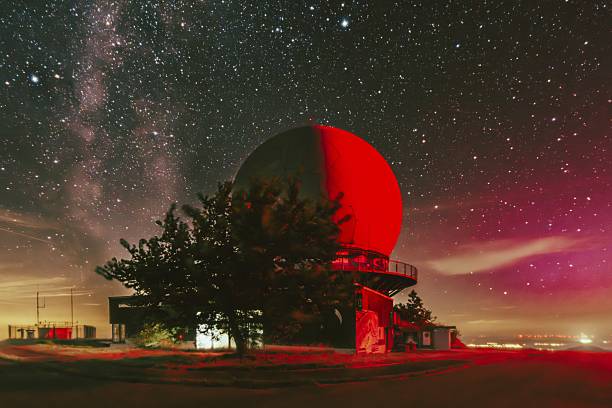
Wenchang launch site tropical operations

Let’s cut through the hype. Wenchang matters because it’s the only Chinese launch site close enough to the equator to take advantage of Earth’s rotational speed. That’s physics, not politics. Every degree of latitude south means more payload to orbit for the same amount of fuel. But that tropical latitude comes with costs. High temperatures, salt spray, monsoons, and typhoons turn every launch campaign into a logistical puzzle that agencies have to solve with serious infrastructure and discipline.
The primary agency overseeing Wenchang is the China National Space Administration, or CNSA. They’re the face of China’s space ambitions, but they don’t run the day-to-day operations. That falls to the People’s Liberation Army Strategic Support Force. Yes, the military runs the ground crews, the tracking stations, and the security. For American readers, this might sound like a red flag, but for Chinese space operations, it’s just the way it’s always been. The military-agency relationship at Wenchang is less about combat and more about rigorous command-and-control in extreme weather. When a tropical storm is tracking toward the island, the military has the authority to roll the Long March rocket back into its assembly building faster than any civilian manager could approve.
Then there are the commercial players. China’s new space economy is still in its infancy, but private rocket companies like Galactic Energy and iSpace are already negotiating access to Wenchang. The catch is that these companies don’t control the launch pad. CNSA and the military do. So private agencies have to submit to the same weather windows, the same lightning risk protocols, and the same typhoon evacuation plans as the big state missions. There’s no “launch at your own risk” cowboy culture here. If the agencies say scrub, you scrub.
The real technical achievement at Wenchang is how these agencies handle the humidity and corrosion. Every rocket brought to the pad has to survive days of exposure to tropical air that would eat through exposed metal in weeks. The agencies have developed specialized sealed transport containers and environmental control units that keep the rocket’s interior dry and temperate until the final hour before launch. The launch tower itself is coated with industrial-grade marine corrosion inhibitors. American engineers at Kennedy Space Center deal with salt air too, but Hainan’s combination of salt, heat, and rain is a different animal. Chinese agencies have learned the hard way—early Long March 5 launches faced corrosion issues that caused delays.
Weather is the biggest wildcard. Wenchang’s launch window is effectively between November and April, when the typhoon season is quiet. But even then, agencies have to monitor for sudden thunderstorms. The tropical atmosphere builds charge fast. Before any launch, CNSA meteorologists run a localized lightning risk model that factors in the island’s unique geography. If the model shows even moderate risk, the launch is delayed. This isn’t optional. A lightning strike on a fueled rocket is catastrophic, and China’s agencies are not interested in losing a billion-yuan asset to a storm cell.
Another challenge is sea-based recovery. Wenchang’s coastal location means that spent rocket boosters often fall into the South China Sea. Agencies have to coordinate with the People’s Liberation Army Navy to secure the impact zones and retrieve hardware for analysis. This is not just about cleanup. Chinese agencies use recovered boosters to study how tropical conditions affect metal fatigue and engine wear. That data feeds back into design improvements for future rockets.
What does this mean for the casual space fan? It means that China’s ability to launch from the tropics is not just a technical checkbox. It’s a proof that their agencies can operate under conditions that would shut down lesser programs. The International Space Station partners have their own weather protocols, but nobody else is running regular super-heavy launches out of a tropical island. The lessons learned at Wenchang will directly translate to future launch sites in other equatorial regions, including potential cooperation with countries like Indonesia or Brazil.
So next time you see a Long March 5 lifting off from Hainan’s palm-tree-lined coast, remember that the real story isn’t the rocket. It’s the network of agencies that decided to build a world-class launch site in one of the toughest environments on Earth, and then made it work. That’s the kind of operational grit that defines the next decade of space travel.
Space News
Latest Articles
New rockets, upcoming launches, and the stories shaping humanity's push off this planet. No astronomy degree required.