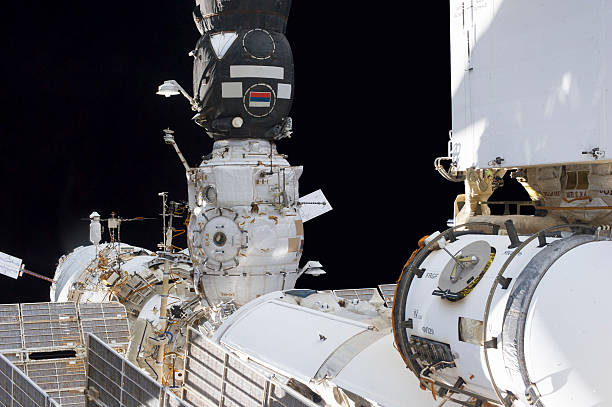
Zenit rocket the sea-launched oddball
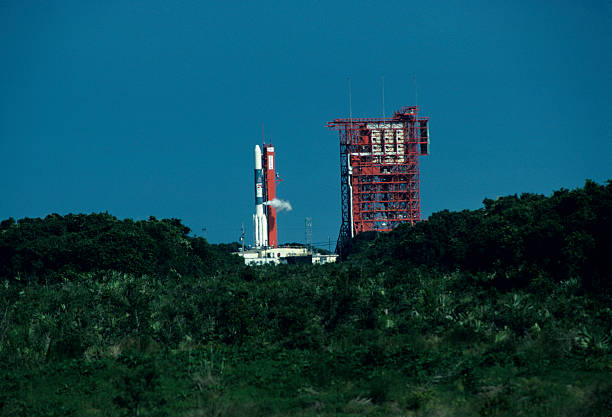
The Zenit’s story begins in the 1970s, when the Soviet Union needed a rocket that could launch from anything—land, sea, even a railcar. The design was a two-stage beast: a first stage powered by a single RD-171 engine, which is still one of the most powerful liquid-fueled engines ever built. That engine burns kerosene and liquid oxygen, and it produces about 1.6 million pounds of thrust at sea level. The second stage uses an RD-120, a smaller but efficient engine for orbit insertion. Together, they can toss about 13 tons into low Earth orbit. Not as much as a Falcon Heavy, but for a rocket that fits inside a shipping container, that’s no joke.
What made the Zenit truly oddball was its launch method. The Soviets envisioned launching from a ship, a train, or even a submarine. They never got the submarine part working, but they did build the Sea Launch system in the 1990s. A converted oil rig, the Odyssey, became the floating launch platform. A command ship, the Sea Launch Commander, handled assembly and control. The whole setup would sail to the equator, park over the Pacific, and launch. Why the equator? Because the Earth’s rotation gives you a free velocity boost. For a geostationary communications satellite, that saved fuel and money. In its heyday, Sea Launch was the only way to get a heavy satellite to geostationary orbit without flying over populated areas. No overflight risks, no range safety headaches. Just a ship, a rocket, and a big splash.
But the Zenit’s career was never smooth. The first Sea Launch attempt in 1999 failed due to a software error. The rocket veered off course and self-destructed. Oops. They fixed the bug, and by the early 2000s, Sea Launch was a reliable workhorse, launching Boeing satellites and commercial payloads. Then the 2014 Crimea crisis happened. The Zenit was built in Ukraine, at the Yuzhmash factory in Dnipro, but its engines came from Russia, made by NPO Energomash. When the U.S. slapped sanctions on Russia, Sea Launch couldn’t get engines. The project went bankrupt. The platform sat idle for years, rusting in the Pacific.
Yet the Zenit refuses to die. In 2017, a relaunch attempt called Sea Launch 2.0 got funding from Russian investors. They flew a single mission in 2018—a successful one—but then the project went dormant again. Meanwhile, leftover Zenit boosters are still flying from the Baikonur Cosmodrome, launching Russian military satellites. The rocket itself is still in limited production, but the Yuzhmash factory has been damaged by war. Its future is uncertain.
So why should a casual space fan care about this Soviet oddball? Because it proves that weird engineering ideas can work, even if they don’t become mainstream. The Zenit’s first stage, the RD-171, is so reliable that SpaceX’s Merlin engine was originally inspired by Russian kerosene-oxygen designs. And the whole concept of sea-launch is being revisited today. Startup companies like SpaceRyde and Blue Origin have talked about ocean launch platforms. Even NASA’s old Sea Dragon concept borrowed heavily from Zenit’s basic layout. The Zenit showed you can launch from anywhere, as long as you have a stable platform and a good engine. That’s a lesson that will outlast any political crisis.
For now, the Zenit remains a ghost in the space industry. You won’t see it on the launch manifest for next year. But its legacy is carved into the rockets that followed. Every time you watch a Falcon 9 land on a drone ship, remember: the Zenit was doing sea-based launches before it was cool. It’s Soviet steel that still flies, even if only in trace amounts. And for a rocket that started as a Cold War oddball, that’s a hell of a run.
Space News
Latest Articles
New rockets, upcoming launches, and the stories shaping humanity's push off this planet. No astronomy degree required.