Dark forest theory and the hiding incentive
The Dark Forest theory gets its name from a thought experiment popularized by Chinese sci-fi author Liu Cixin in his novel The Dark Forest, the second book in the Remembrance of Earth’s Past trilogy. The idea is brutally simple. Imagine an endless dark forest at night. Hunters are everywhere, but no one can see anyone else. Every hunter knows that if they make a sound, reveal their position, or build a fire, another hunter might find them. And because no hunter knows whether another hunter is friendly or hostile, the only rational move is to stay hidden. If you ever detect another hunter, you have one option: shoot first, before they shoot you. The universe, in this model, is that forest. Every civilization is a hunter. And every civilization knows that the safest thing to do is keep quiet and stay deep.
Why would any civilization assume hostility? Because of two basic facts about the universe. First, life expands. Any successful civilization will eventually need resources—energy, matter, living space. And those resources are finite on any single planet. Second, there’s no way to verify another civilization’s intentions from a distance. You can’t read their minds from a hundred light-years away. You can’t shake hands. You can’t negotiate a trade deal. All you see is a signal or a spacecraft or a megastructure that tells you one thing: they’re out there, and they’re growing. From your perspective, their existence is a threat. From their perspective, your existence is a threat. And the only way to eliminate a potential threat permanently is to eliminate it before it eliminates you.
This is where the hiding incentive kicks in. The hiding incentive is the pressure that keeps civilizations quiet. If you broadcast your existence into deep space, you light yourself up like a campfire in that dark forest. Any civilization with more advanced technology than yours could spot you, figure out where you live, and decide to snuff you out before you become a problem. Even if you try to be friendly, there’s no way for them to verify your good intentions. You might be a peaceful trader now, but a hundred years from now? A thousand? Civilizations evolve. Technologies shift. The only thing a hunter can trust is that you exist, and that existence is a risk. So the hiding incentive says: don’t transmit. Don’t build giant structures that reflect sunlight. Don’t leave obvious traces of your industry. Stay invisible. Stay silent. Stay alive.
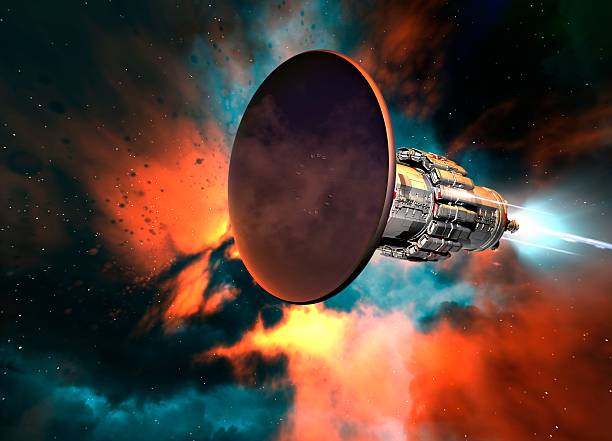
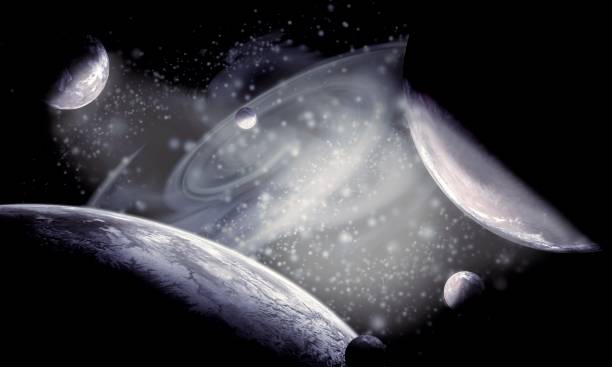
The implications for deep space are grim. If the Dark Forest theory holds, then the great silence we observe isn’t because there’s no one out there. It’s because everyone who’s smart enough to survive has already figured out that noise gets you killed. The universe may be teeming with civilizations, but they’re all hiding. They’re listening, not talking. They’re building their societies under the surface of moons, inside asteroids, or in the deep dark between stars where no one can see their lights. Every world you might think could hold intelligent life is actually a potential threat that has learned to keep its mouth shut.
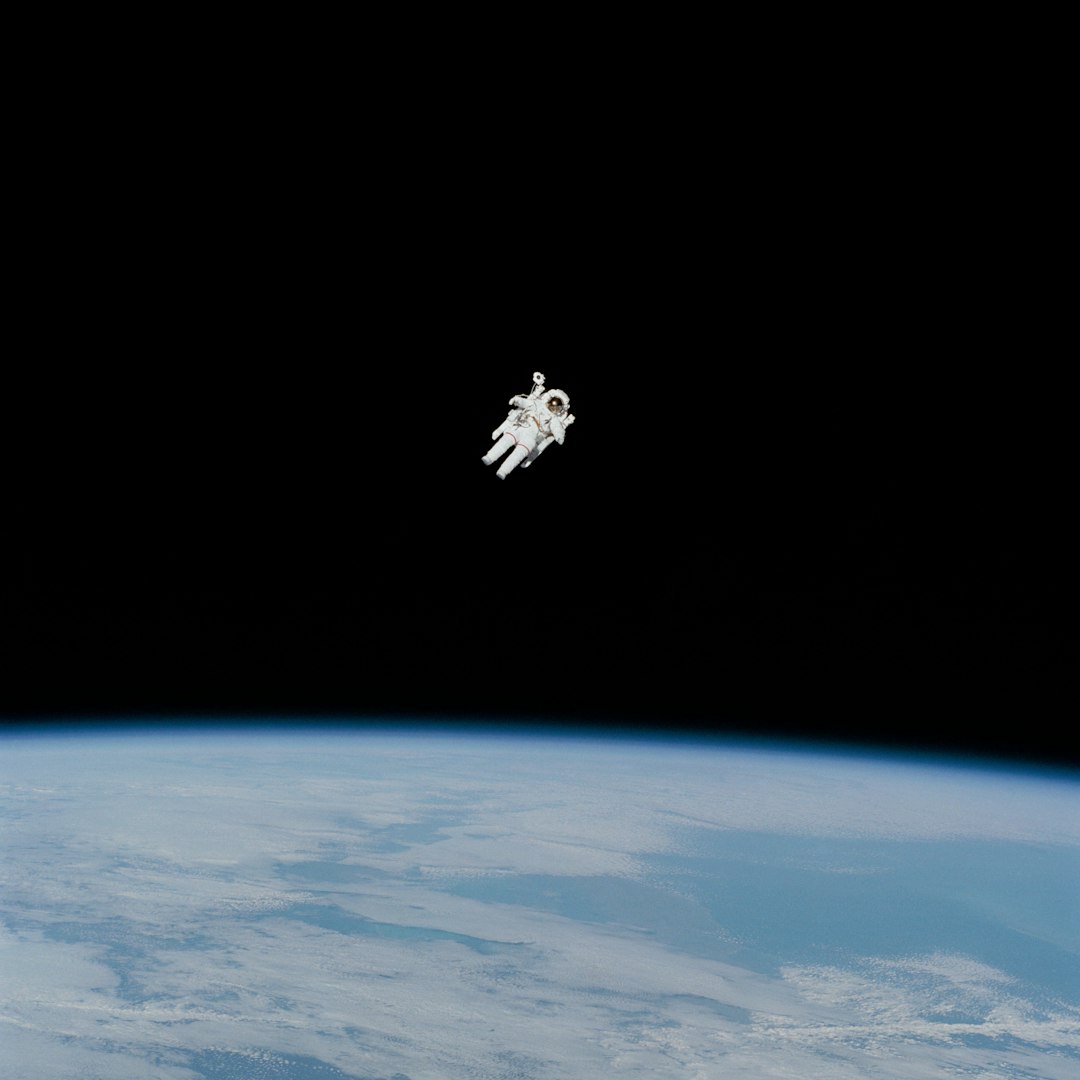
What does that mean for us? We’ve been shouting into the void for a century. Radio broadcasts, television signals, radar pulses, and even our interplanetary probes all leak electromagnetic noise into space. In Dark Forest terms, we’ve been banging pots and pans in the middle of the forest. So far, no one has answered—or attacked. That could mean we’re alone, or it could mean the hunters are patient. Maybe they’re watching. Maybe they’re deciding. Or maybe they’ve already dismissed us as a minor pest that will either destroy itself or grow up before they bother to drop by.
The Dark Forest theory isn’t proven, and it might not be true. But it’s a powerful lens for looking at the Fermi Paradox. Instead of asking why space is silent, you start asking why anyone would ever speak. Deep space becomes not a frontier to explore, but a danger zone to navigate with extreme caution. The hiding incentive suggests that the smartest move for any species is to stay off the cosmic radar. And if that’s the case, the great silence isn’t a mystery. It’s a warning.
So next time you look up at the stars, remember: you might be looking at a forest full of hunters. And the only reason you can’t see them is that they’re all trying not to be seen.
Space News
Latest Articles
New rockets, upcoming launches, and the stories shaping humanity's push off this planet. No astronomy degree required.