Fire starting and the signal mirror training
The Soyuz Landing Kit is a Russian-designed survival package stuffed into a metal container about the size of a carry-on bag. It includes a half-dozen flares, a folding knife, a fishing kit, a cold-weather sleeping bag, a pack of high-calorie food bars, and a surprisingly capable first-aid pouch. It also includes a compact fire starting device and a small, glass-laminated signal mirror. Western survival instructors often dismiss the fire starter as a cheap throwaway, and they ignore the mirror entirely. They are wrong. If you understand how these two items work together, you can turn a survival scenario into a minor inconvenience.
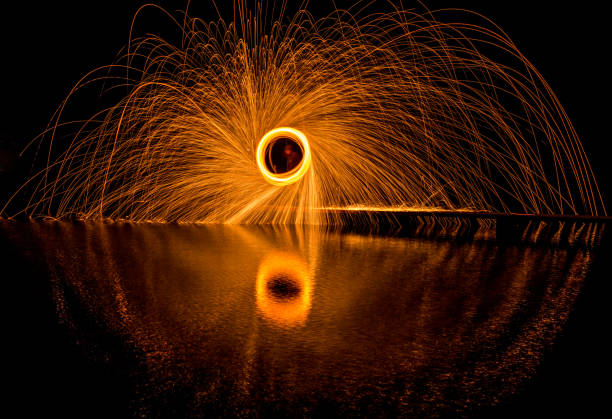
Start with the fire. In any post-landing survival situation, fire is not optional. It is the difference between hypothermia and a warm night. It purifies water, cooks food, and keeps predatory animals at a respectful distance. The fire starter in the Soyuz Landing Kit is a ferrocerium rod with a built-in striker. It costs about four dollars to manufacture. It is not fancy. It does not spark if you look at it wrong. But it works in rain, in snow, and in the kind of wind that flips a parachute inside out. The key is fuel preparation. Do not waste your ferro rod scraping it against a wet log and hoping for a miracle. You need a nest of dry material—birch bark, shredded cotton from your undershirt, or the fibrous insulation from the inside of your survival suit. Shave a pile of fine ferrocerium dust into the center of that nest. Strike the rod hard and fast, directly into the dust. The spark is not a match; it is a shower of burning metal at three thousand degrees Fahrenheit. That dust catches instantly. Add progressively larger twigs, then split logs, then whole branches. You do not need a fire pit. You need a fire.
The signal mirror is the second tool, and it is the one most people screw up. They hold it up, wave it around, and wonder why no helicopter spots them. A signal mirror is not a disco ball. It is a precision instrument designed to put a beam of sunlight directly into the cockpit of a search aircraft. The Soyuz model is a square of glass with a small hole in the center. To use it correctly, you hold the mirror close to your eye and look through the hole. You align the hole with the aircraft in the distance. Then you rotate the mirror until a bright spot of light appears on your own face or hand. That spot is your aiming point. Move the mirror so that spot points toward the aircraft. You have now sent a flash that is visible from ten miles away on a clear day. No batteries. No radio. No satellite phone. Just glass and geometry.
The real trick is combining these two tools. A fire provides heat, but it also provides smoke. A signal mirror provides a flash, but it only works when the sun is out. Put them together and you have a 24-hour signaling system. During daylight, use the mirror to attract attention from aircraft that are too high to see your smoke. At dusk and dawn, build a smoky fire by adding green vegetation or damp moss to your flames. That smoke column is visible for miles, and it rises straight into the search corridor that rescue crews always fly. When the sun drops, the fire itself becomes the signal. A single flame in the dark is visible from a surprisingly long distance—easily ten miles on flat terrain, more if you have built it on a ridge.
Here is the practical reality of the Soyuz Landing Kit: the flares are one-shot wonders that expire after five years. The food bars taste like compressed cardboard and last forty-eight hours at best. The knife is acceptable but not impressive. The sleeping bag is bulky and loses loft when wet. The fire starter and the signal mirror, however, are virtually indestructible. They have no moving parts. They do not corrode. They do not need batteries. They can be dropped, soaked, frozen, and stepped on without losing function. If you have these two items, you can make the rest of the kit work better. You can dry wet socks by the fire. You can cook fish caught with the fishing kit. You can attract a helicopter long before your food runs out.
Do not overthink this. When the Soyuz door opens and you are standing on alien ground with your survival kit in your hands, you do not need a multi-tool with sixteen functions. You need two things that have not changed since the Stone Age: the ability to make fire and the ability to be seen. The Soviet engineers who designed the Soyuz Landing Kit understood that. They gave you a ferro rod and a piece of glass. Use them before you use anything else.
Space News
Latest Articles
New rockets, upcoming launches, and the stories shaping humanity's push off this planet. No astronomy degree required.