How Sci-Fi Suits Actually Influence Real Spacesuit Design
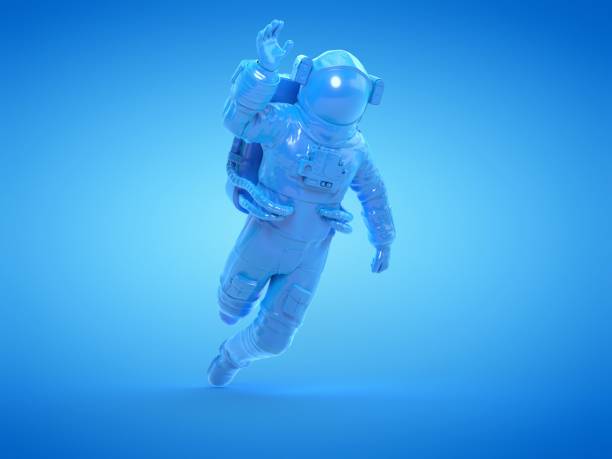
The clearest influence is the hard suit. Sci-fi loves armor. Iron Man, Halo, and Starship Troopers show rigid plates, sealed joints, and helmets that feel like cockpits. NASA has tested hard suits for decades. The Mark III, AX-5, Z-1, and Z-2 used hard upper torsos, bearings, and constant-volume joints. The goal is simple: keep pressure without making the astronaut fight the suit. A soft suit balloons under pressure and turns movement into a workout. A hard suit tries to solve that. Sci-fi makes hard suits look slim and fast. Real hard suits are bulky because joints must move without pinching, leaking, or locking. Fiction sells the fantasy. Engineering turns it into bearings, bellows, and shaped shells.
Helmets are another place where sci-fi sets the standard. Movie helmets glow. They show targeting data, oxygen levels, heart rate, and a map. Real EVA helmets have not always been that smart. Apollo helmets were mostly clear bubbles with simple comms. Modern helmets prioritize visibility and safety over a video-game interface. That is changing. NASA’s xEMU and new commercial Artemis suits are looking at head-up displays that give quick information without forcing astronauts to look at a wrist panel. The influence is not the graphics. It is the idea that a helmet should be an interface, not just a window. Designers borrow the language of sci-fi HUDs: high contrast, minimal clutter, glanceable warnings. In vacuum, you want a symbol that tells you something is wrong.
Materials and color also show influence. Sci-fi suits are often matte black, gunmetal, or white with orange accents. Real suits are white because white reflects sunlight and makes astronauts visible against black space. Orange is used for rescue gear. But styling matters. SpaceX’s launch suits are sleek, tailored, and almost automotive. They are not built for moonwalks. They are intravehicular suits for launch and reentry, so they focus on pressure, fire resistance, and looking sharp. Boeing’s Starliner suits are blue and lighter. NASA’s xEMU is white with red and blue stripes. None are Iron Man. All are trying to look competent, modern, and human. Public trust depends partly on whether gear looks like it belongs in the future. A suit that looks clean and deliberate makes risk feel managed.
Gloves are where sci-fi lies hardest. In movies, astronauts pick up tools, type, and repair ships with thin, flexible gloves. Real spacesuit gloves are stiff, pressurized, and exhausting. They fight you. They cause fatigue. Engineers have spent decades trying to improve them. They study bear paws, robotic grippers, and hard gloves with flexible palms. The sci-fi influence here is narrative. Fiction shows astronauts doing real work: fixing, building, exploring. That keeps pressure on engineers to make hands usable. If a suit cannot let you turn a wrench, it is not a suit. It is a balloon.
The life-support backpack is another reality check. Sci-fi often hides it or makes it slim. Real suits carry a Primary Life Support System that handles oxygen, carbon dioxide, cooling, power, and communications. It is heavy and bulky. Designers try to integrate it into the suit’s shape, but physics does not care about style. You need tanks, scrubbers, batteries, and radiators. Sci-fi can ignore that. Real suits cannot. The influence is in the silhouette. Designers want the pack to feel like part of the suit, not a box strapped on. That leads to curved covers and better weight balance.
The next generation of suits for Artemis will be judged on the moon. They need to handle dust, extreme temperatures, and long walks. They need to fit more body types. They need to be repairable. Sci-fi will keep inspiring the look, but requirements will keep it honest. The best real suit will not look like a superhero. It will look weird, practical, and a little ugly. It will also borrow the confidence, clarity, and purpose of sci-fi. That is the real design influence. Fiction makes people want to go. Engineering makes it possible.
Space News
Latest Articles
New rockets, upcoming launches, and the stories shaping humanity's push off this planet. No astronomy degree required.