Isolation and the sensory deprivation effect
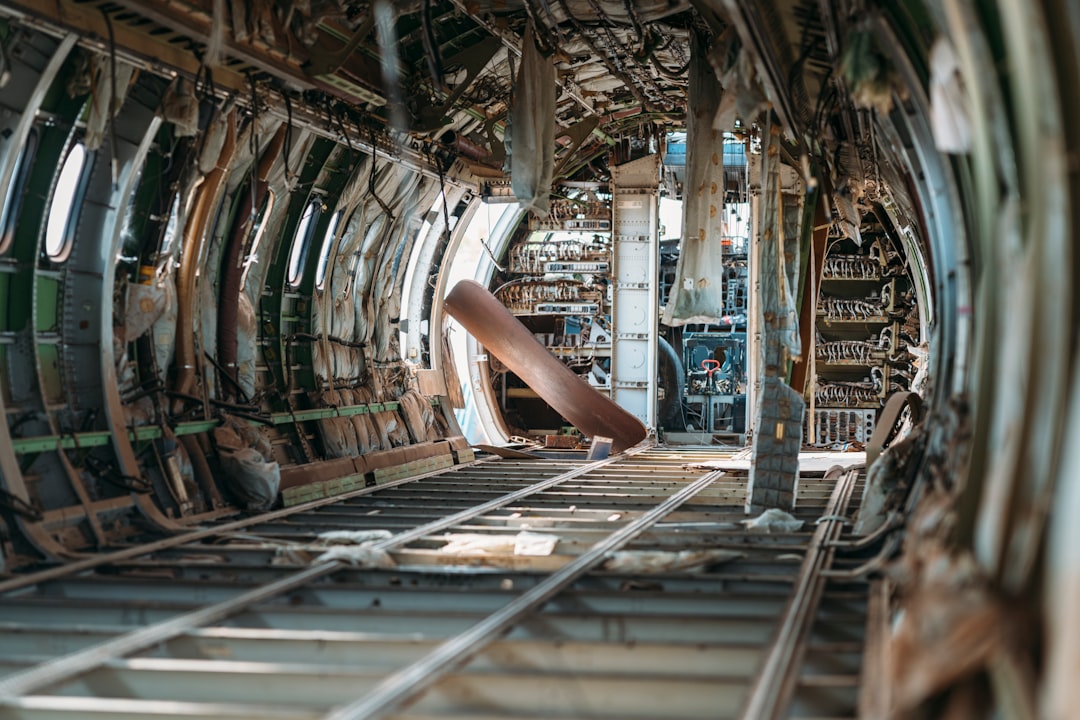
Space is the most extreme environment a human being can inhabit. The sensory input you take for granted on Earth vanishes almost instantly. There is no horizon in the traditional sense inside a space station. No wind, no rain, no smell of grass or morning coffee brewing in a kitchen. Instead, the environment is a sterile, recycled hum of fans and pumps. The visual field is limited to metal walls, blinking panels, and a few small windows that show an unchanging black void dotted with stars that do not twinkle. This is not a vacation. It is a box.
Sensory deprivation in space works differently than in a laboratory tank of salt water. In a lab, you float in darkness and silence. In space, you get a constant, low-level barrage of mechanical noise and artificial light, yet the variety that your brain craves is absent. Psychologists call this the monotonous environment. Over weeks and months, the brain starts to hunger for novelty. It needs new textures, new sounds, new perspectives. Without them, cognitive performance begins to slip. Reaction times slow. Decision-making gets sloppy. Crew members on the International Space Station have reported experiencing a phenomenon sometimes called the “third-quarter effect,“ where morale and performance dip sharply around the halfway point of a long mission. The initial excitement has worn off, the end is not yet in sight, and the walls feel closer than they did last week.
Compounding this is the profound social isolation. On Earth, you have a web of casual interactions that you barely notice. A nod to a neighbor. A joke with a barista. A call to a friend. In space, your entire human contact is limited to a handful of crewmates you cannot escape. Every personal quirk, every habit, every minor annoyance becomes magnified. There is no walking away. There is no going to a different room to cool off. The crew module of a deep-space vehicle might be smaller than a studio apartment. Four or six people locked inside that volume for eighteen months of a Mars transit will face interpersonal friction that could break the mission.
The sensory deprivation effect also strikes the body itself. Without gravity, your vestibular system effectively goes haywire. The signals from your inner ear no longer match what your eyes see. Many astronauts experience space adaptation syndrome in the first few days, a nausea that can be incapacitating. But the longer-term effect is a kind of disassociation. You lose the constant subconscious feedback of your joints and muscles pushing against gravity. You move differently. You feel differently. Some astronauts describe a sense of floating in a dream, disconnected from their own limbs. This feeling can be disorienting, and for some, it spirals into depression or anxiety.
NASA and other space agencies are not ignoring this. They train crews in extreme environments on Earth, like Antarctic research stations or underwater habitats. They build team cohesion before launch and structure daily schedules to include exercise, maintenance, and deliberate downtime. But the hard truth is that we still do not fully understand how the human mind will handle a three-year round trip to Mars. There is no easy emergency abort. No resupply. No sudden return to Earth if someone cracks.
For the casual enthusiast reading this, the takeaway is straightforward. The future of space travel is not just about better engines or stronger materials. It is about understanding the mind in a box. The men and women who will fly those first long-duration missions are not just pilots and engineers. They are psychological athletes. They will need resilience, self-awareness, and a tolerance for boredom that most of us cannot imagine. The next time you watch a rocket launch, remember that the real test begins after the engines cut off. That is when the silence starts. That is when the walls close in. And that is where the mission will be won or lost.
Space News
Latest Articles
New rockets, upcoming launches, and the stories shaping humanity's push off this planet. No astronomy degree required.