Methane on Mars and the seasonal mystery
Methane is a simple molecule. On Earth, it’s mostly produced by living things—cows, microbes, rotting plants—and by geological processes like volcanic activity. On Mars, we’ve detected it, but only in specific places and at specific times. That’s the mystery. Methane shouldn’t be there. Not in the amounts we’ve seen. Not in the seasonal patterns that keep appearing like clockwork.
Let’s get into what the missions are doing about it.
First, NASA’s Curiosity rover has been the primary methane detector on the ground since it landed in Gale Crater in 2012. For years, Curiosity’s on-board lab—the Sample Analysis at Mars, or SAM—has been sniffing the air. And it keeps finding tiny but real spikes of methane, especially in the northern summer. Then the levels drop. Then they spike again next year. That seasonal rhythm is the key. If methane were just leaking from ancient trapped reservoirs, you’d expect a steady background, not a pulse. The seasonal pattern suggests something active—either biological or geological—is producing and destroying methane in real time.
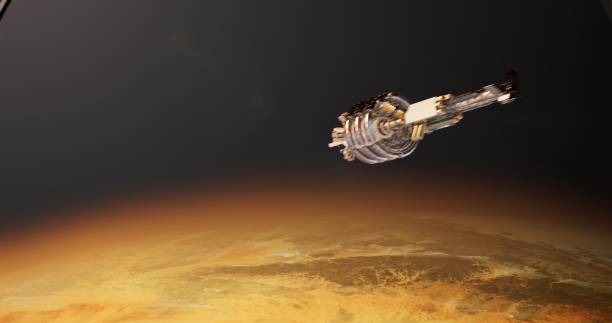
But here’s the twist: the European Space Agency’s Trace Gas Orbiter (TGO), which has been circling Mars since 2016 with some of the most sensitive spectrometers ever built, has consistently reported zero methane. Zilch. Nada. That’s a direct contradiction. TGO can detect methane in concentrations as low as parts per trillion, well below the levels Curiosity reports. So either Curiosity is wrong, TGO is wrong, or methane on Mars is incredibly local and short-lived—fading out before the orbiter can scan the same spot. This is known as the “methane mismatch,” and it’s driving mission planners crazy.
The implications of this mismatch are huge. If methane is real and seasonal, it points to either microbial life exhaling it as a waste product, or to serpentinization—a geological reaction where water interacts with certain rocks under pressure, producing methane without life. Either scenario rewrites everything we thought we knew about Mars’ subsurface. Serpentinization would mean liquid water is actively circulating deep below the surface. Microbial life would mean we are not alone in the solar system. Both would make Mars the most important target for the next generation of missions.
So what’s being done? NASA and ESA are coordinating their next steps. The ExoMars Rosalind Franklin rover, originally scheduled for 2022 but delayed by the war in Ukraine and launch window issues, is now targeting a 2028 launch. This rover carries a drill that can dig up to two meters deep—much deeper than Curiosity or Perseverance. The idea is to sample subsurface soil that isn’t exposed to the harsh surface radiation. If methane is produced by microbes or by geological activity, that’s where the evidence will be. The rover will carry a gas chromatograph and mass spectrometer specifically designed to pin down methane and its carbon isotope ratios. That ratio—carbon-12 versus carbon-13—tells you whether the methane came from biology or geology.
Meanwhile, NASA’s Curiosity is still rolling. It’s been extended indefinitely, and its team has started coordinating with TGO to take simultaneous measurements. When Curiosity detects a methane spike, TGO now slews its instruments to focus on the same area within hours. So far, the orbiter has missed the plumes. That might mean methane is released in short-lived puffs from cracks in the ground at night, when TGO is on the other side of the planet. To fix this, ESA is considering a dedicated “sniffer” orbiter that would sit in a low Mars orbit and sample the atmosphere up to twenty times per day.
The Mars 2020 Perseverance rover isn’t equipped for methane detection, but it is collecting rock and soil samples for the planned Mars Sample Return mission—likely the 2030s. Those samples will be brought back to Earth and analyzed in labs that can detect any organic compounds or trace gases with absolute certainty. If there’s fossilized methane-producing microbes in those tubes, we’ll know.
The bottom line is this: methane on Mars is either the best clue for life we’ve ever seen, or the most confusing geological accident in the solar system. The only way to settle it is more missions, more data, and a willingness to follow the gas wherever it leads. If you’re a casual space watcher, keep your eyes on Curiosity’s seasonal reports and the ExoMars drill. That’s where the real answers will come from. And if the methane turns out to be biological, the next decade of Mars missions will be the most important in human history.
Space News
Latest Articles
New rockets, upcoming launches, and the stories shaping humanity's push off this planet. No astronomy degree required.