Olympus Mons the shield volcano tower
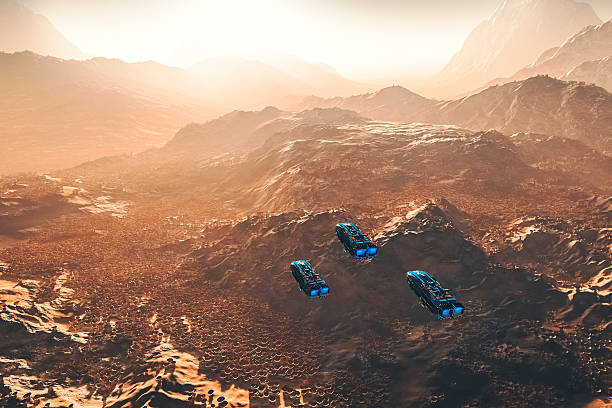
First, let’s get the scale straight. Olympus Mons is a shield volcano, which means it’s built up from countless lava flows over billions of years. Unlike the steep, jagged peaks you’re used to on Earth, this thing is gentle. The average slope is only about 5 degrees. That means if you were standing at the base, you wouldn’t even see the summit—it would be beyond the curve of the planet. The caldera at the top is roughly 50 miles wide. You could drop the entire city of Los Angeles into that crater and still have room for parking. The thing is massive, flat-topped, and practically begging for human infrastructure.
But size alone doesn’t make a destination. What makes Olympus Mons a game-changer for Mars missions is its geography and geology. The volcano sits on the Tharsis Bulge, a high-altitude region near the Martian equator. That equatorial location means more consistent sunlight for solar power, which is critical for any long-term colony. Higher altitude also means a bit more protection from cosmic radiation—not a lot, but enough to matter when you’re planning a permanent habitation. And because it’s a shield volcano, the ground is solid basalt. That’s the same rock we build roads and foundations with on Earth. You’re not dealing with loose sand or unstable regolith. You’re standing on bedrock.
Now, here’s where the practical side kicks in. The lower slopes of Olympus Mons are ideal for settlement. The gradient is so shallow that a rover could drive straight up the side. No cliffhangers, no treacherous passes. You could land a cargo ship on the flank and start unloading supplies within a few hours. Compare that to the Valles Marineris canyons, which are beautiful but death traps for landings. Or the polar ice caps, which are cold enough to freeze your hydraulics solid. Olympus Mons gives you a flat, stable, accessible platform with enough space to build a city the size of Texas.
There’s also the water question. Mars has frozen water, but a lot of it is locked in permafrost or deep underground. Not ideal for a colony that needs to drill, pump, and purify. Recent orbital data suggests that the flanks of Olympus Mons may have ancient glacial deposits buried under a layer of volcanic ash. That ash acts as insulation, trapping ice just a few feet below the surface. That means you don’t need heavy drilling rigs. You can scrape off the top layer and start melting ice for drinking water, oxygen, and rocket fuel. Water is the single heaviest resource you’d need to bring from Earth. If you can harvest it on site, you cut your mission mass by half.
But let’s talk about the climb. Because that’s the real draw for a destination like this. If you’re a hiker, a climber, or just someone who likes a challenge, Olympus Mons is the ultimate long-term goal. You could start at the base camp, which lies about 1,000 feet above the surrounding plain. From there, you’d make your way up the gentle slope. The total distance from base to summit is about 200 miles. That’s a multi-day trek even in a rover. But here’s the crazy part: due to the low Martian gravity, you’d feel like you were carrying half your body weight. Your backpack would be lighter. Your steps would be longer. The air is thin—about 1 percent of Earth’s atmospheric pressure—so you’d need a pressure suit and oxygen. But the view from the top? You’d see the curve of the planet. You’d see the Tharsis volcanoes rising in the distance. And you’d be standing on top of the solar system’s largest mountain.
That kind of experience isn’t just a tourist attraction. It’s a cultural anchor. Every civilization needs its monuments, its challenges, its places that say, “We made it here.” In the human future on Mars, Olympus Mons will be that place. It’s not just a destination for scientists and miners. It’s for adventurers. For the guys who want to look back at Earth from a summit that no one has ever stood on before.
There are risks, of course. Communication delays with Earth will be about 10 to 20 minutes one way, so no quick backup. Radiation levels are higher than on the plains because you’re closer to the surface and further from the planet’s magnetic protection. And the dust storms on Mars can kick up at any time, reducing visibility to zero. But that’s the price of doing business on a frontier. Real destinations aren’t easy. That’s what makes them worth going to.
So whether you’re planning the first Martian colony or just dreaming about what you’ll do when tickets go on sale, keep your eye on Olympus Mons. It’s not just a volcano. It’s a promise. A promise that the human future on Mars will have a place for people who want to go high, go far, and go big.
Space News
Latest Articles
New rockets, upcoming launches, and the stories shaping humanity's push off this planet. No astronomy degree required.