Psychological isolation beyond the training manuals
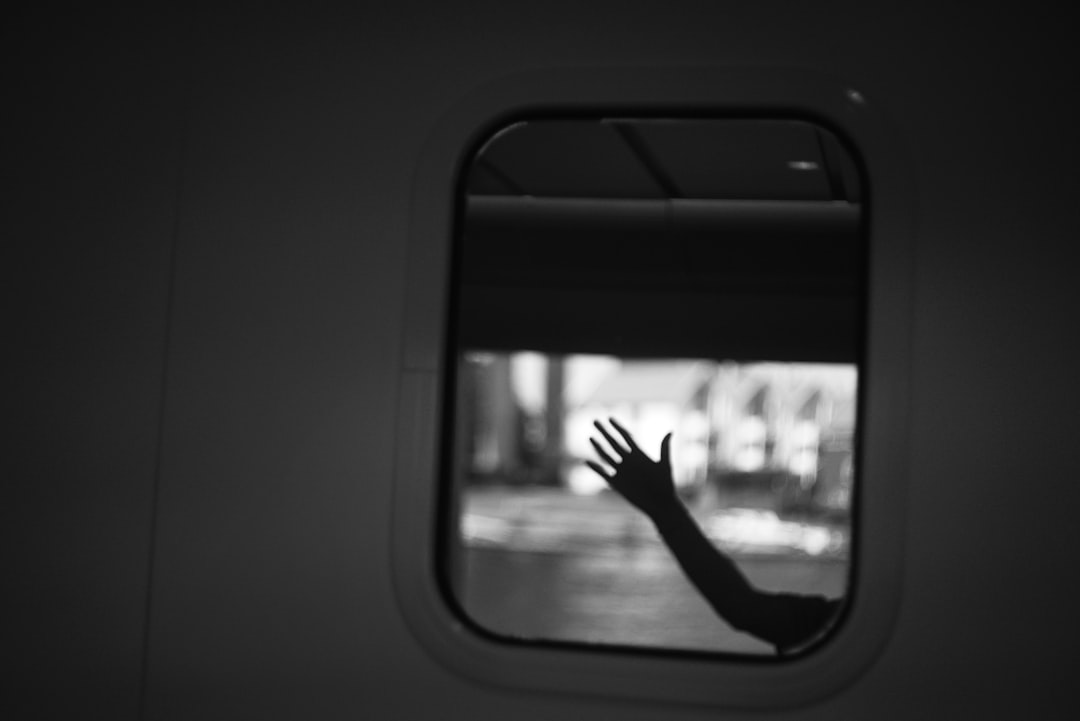
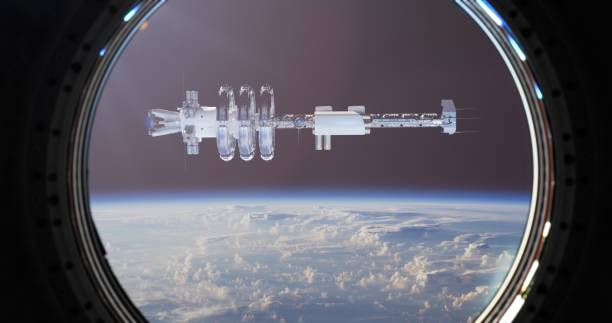
The problem with psychological isolation isn’t just being alone. It’s being alone while knowing that the people you love are alive, breathing, and living their lives on a planet that is shrinking to a dot in your window. You can see it. That blue marble isn’t a romantic postcard after six months. It’s a reminder of everything you are not touching. Every birthday you are missing. Every argument you will never have the chance to resolve face-to-face. The manuals talk about “maintaining social connection through scheduled calls,” but they don’t describe the hollow feeling when the signal latency creeps past ten minutes. You speak to your wife, and you wait. Then she replies, and that reply is already a ghost of a moment that has passed. You are not communicating in real time. You are exchanging artifacts of a life you no longer inhabit.
This is where the body count starts. Not from a micrometeoroid or a cabin depressurization. From a slow, grinding erosion of the will to function. The human brain is not wired for profound isolation. We are social animals. Our stress response systems evolved in tribes where a grunt or a glance could mean safety or danger. Remove that feedback loop, and your cortisol doesn’t know what to do. It spikes. It stays spiked. Your sleep degrades. Your immune system drops. Your decision-making goes to hell. The manuals call this “behavioral health decrement” in sterile language. In a crew module, it means a guy stops checking his suit seals. He forgets a critical step in an EVA checklist. He snaps at a crewmate over a spilled nutrient packet. And one small mistake, in a remote environment with no backup, turns a routine day into a life-threatening event.
The designers of these missions know this. They pack psychological countermeasures like they pack oxygen filters. Virtual reality environments that simulate forests and beaches. Mood-enhancing lighting schedules. Carefully calibrated work-rest cycles. But these are bandages, not cures. No VR forest can replace the smell of rain on asphalt. No scheduled group movie night can replicate the chaos of a crowded bar. What the manuals cannot codify is the sheer weight of monotony. The same faces. The same recycled air. The same corridor that is exactly five meters long. The brain craves novelty, and in deep space, novelty is a limited resource. After a year, the crew knows every joke, every sigh, every nervous tic of each other. The psychological pressure doesn’t come from a single catastrophic event. It comes from the slow bleed of a thousand boring, identical days.
For the American man reading this, the kicker is that stoicism won’t save you. The myth of the lone cowboy who powers through adversity alone is a poison in this environment. You cannot muscle your way through psychological isolation. You cannot grit your teeth and outlast it. The men who will survive a Mars mission will be the ones who admit they are struggling. The ones who can say, “I’m losing it today,” without feeling like they’ve failed. The training manuals don’t teach that vulnerability. They teach resilience as a checklist item. But real resilience in deep space is the ability to acknowledge the crack before the whole vessel shatters.
So as space agencies plan these missions, and as you read about launch windows and propulsion systems, remember that the real frontier isn’t the distance. It’s the space between your ears. The body count from isolation will not be tallied in casualties from equipment failure. It will be counted in men who forgot why they were there, who lost the thread that tied them to Earth, who drifted not in space, but in their own minds. And no manual, no matter how thick, can train a man for that. You just have to live it. And hope you survive it.
Space News
Latest Articles
New rockets, upcoming launches, and the stories shaping humanity's push off this planet. No astronomy degree required.