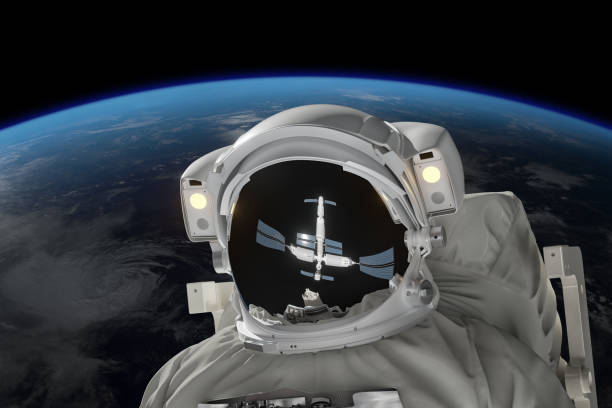
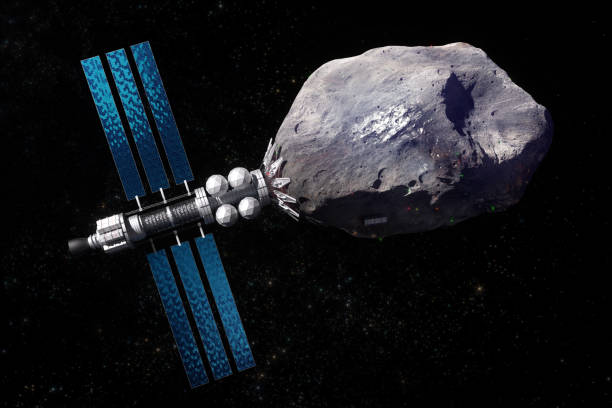
Robotics training in the virtual reality lab
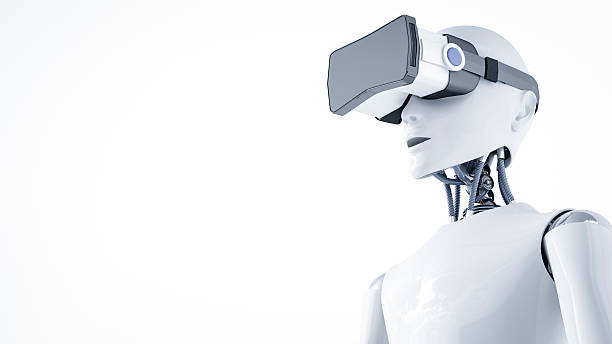
The virtual reality lab isn’t a game. It’s a pressure cooker designed to break the weak. When you strap into that headset, you are not exploring the cosmos. You are fighting a machine that moves by logic, not instinct. Every millimeter of a robotic manipulator’s claw matters. One twitch of your wrist in the real world rotates an entire boom arm into a collision course in the virtual world. The software tracks your gaze, your reaction time, and your sweat. It knows when you are hesitating. It knows when you are guessing. And it punishes guesswork with a claxon and a red screen that says “Mission Failure.” This is how you learn to think like a robot before you ever touch a real one in orbit.
Why do humans need this? Because we are the weakest link. A robot arm in space has no ego. It has no caffeine crash. It does not get bored. But a human operator brings fear, fatigue, and pride into the control loop. The VR lab strips all of that away. You train until your fingers move without your brain interfering. You drill the same grapple sequence a hundred times until the muscle memory overrides the panic. That is the grind. It is boring, repetitive, and humbling. The guys who complain about it are the ones who wash out. The ones who shut up and run the simulation again are the ones who get the call.
The physical toll is real. You are not sitting in a comfy chair. You are strapped into a harness that simulates the lack of gravity feedback. Your neck muscles burn from holding your head steady against the weight of the headset. Your shoulders ache from reaching into positions that feel wrong because your body expects gravity. After four hours, you are not learning anymore. You are surviving. And that is exactly the point. When a real satellite needs a repair and the capsule is tumbling, you will not have the luxury of a break. You will have four hours of VR grind sitting behind your eyes, whispering that you have done this before.
Let’s talk about the mental side, because that is where most men break. The VR lab is claustrophobic by design. The camera feeds are grainy. The haptic feedback in the gloves is imperfect. You are constantly fighting the feeling that you are not in control. That feeling is a liar. You are in control, but your control is mediated through software, lag, and sensors that drift. The smart operators learn to trust the math, not their gut. Your gut says “pull left.” The math says “wait three seconds for the arm to compensate.” Men who trust their gut burn up budgets. Men who trust the math get the job done.
This matters because the future of space travel is not about heroes. It is about technicians. The Artemis missions, the lunar gateway, the Mars cargo flights—none of them will be crewed by swaggering pilots. They will be crewed by men who spent months in a VR lab, grinding out cable repairs and grappling maneuvers until the machine and the man become one system. The romantic idea of exploration has been dead for decades. What replaced it is hard work behind a screen.
If you are a casual enthusiast, you might think the cool part is the launch. It is not. The cool part is watching a man in a VR lab nail a blind docking simulation on his twentieth try because he refused to quit. That is the human element. That is the grind. And if you ever get the chance to step into that lab yourself, you will understand that space is not a destination. It is a discipline. You earn it with every stupid, repetitive, miserable hour you spend inside a machine that does not care if you live or die. So strap in, shut up, and run it again.
Space News
Latest Articles
New rockets, upcoming launches, and the stories shaping humanity's push off this planet. No astronomy degree required.