Russian language school for NASA crews
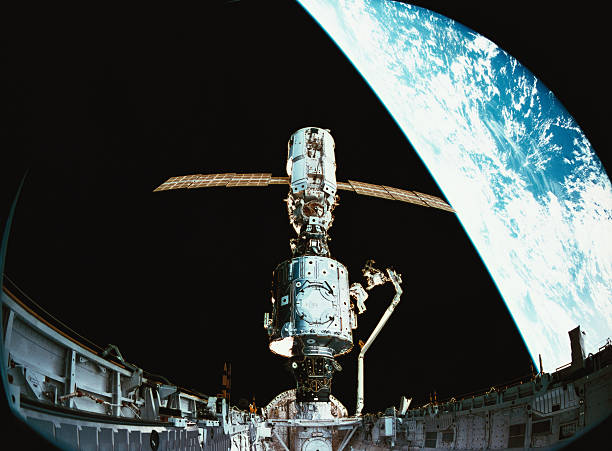
The Russian language school for NASA crews isn’t a cultural enrichment elective. It’s a survival requirement. Since the Space Shuttle retired and the Soyuz became the only taxi to orbit for nearly a decade, American astronauts had to learn Russian to a functional level just to get a seat. That reality hasn’t changed with the arrival of Crew Dragon. The ISS is a joint program, and half the hardware down to the electrical sockets and the toilet is built in Russia. If you’re working on that station, you need to read the labels on the circuit breakers, understand the audio alarms in the Zvezda module, and talk to the ground controllers who sit in Moscow.
The training pipeline is brutal. NASA sends its astronaut candidates to the Gagarin Cosmonaut Training Center in Star City, outside Moscow, for immersive language training that lasts anywhere from several months to two years. The stakes are not academic. A misheard command during a docking sequence or a misunderstood caution alert during an EVA can kill people. So the classes are intense. Native-speaking instructors drill grammar, vocabulary, and technical jargon from seven in the morning until late afternoon, five or six days a week. There are no multiple-choice quizzes. You stand up and speak, make mistakes, get corrected, and do it again until your brain stops translating every syllable from English.
For American men in their twenties who follow spaceflight, the grind of Russian language school might sound like a strange detour from flying jets and running centrifuges. But the reality is that the hardest part of becoming an astronaut isn’t the G-force tolerance or the robotics training. It’s the hours spent conjugating verbs in a language that uses a completely different alphabet and a case system that rearranges sentence structure in ways English never does. Astronauts like Mike Massimino and Scott Kelly have written about sitting in tiny classrooms, exhausted and frustrated, fumbling through sentence drills that made them feel like children. The difference is they didn’t quit.
Why does NASA insist on this? Because the relationship between people on the station is as critical as the hardware they operate. When you’re sealed in a metal can for six months with three or four other human beings, communication breakdowns aren’t just inconvenient. They become emotional explosives. Russian language training isn’t just about switches and valves. It’s about building trust. When an American crew member can crack a joke in passable Russian or ask a cosmonaut how his family is without an interpreter, the barrier between nationalities collapses. The crew stops being a US team and a Russian team. It becomes a single crew.
That human factor is the whole point of the grind. Technical manuals can be translated. Engineering diagrams are universal. But the unscripted moments—the tension during a close call, the boredom of a Saturday inside a metal tube, the need to vent frustration without offending your partner—demand language that flows naturally. NASA astronauts who neglect Russian school end up isolated. Their Russian counterparts are polite but professional, and the station becomes a quieter, more stressful place. The ones who embrace the grind find that the language unlocks something deeper. They get invited into conversations, earn respect, and become more effective as crewmembers.
The current generation of astronauts knows that the future of spaceflight looks different. Commercial Crew is operational, and Artemis aims for the Moon. But the ISS still flies, and American reliance on Russian launch vehicles taught a hard lesson: if you share a spacecraft with someone, you share their language. The next wave of lunar stations, gateway orbits, and Mars missions will likely involve multinational crews from a dozen countries. The same principle applies. The person next to you in a tin can is a human being with a culture, a humor, and a preferred way of speaking. If you can’t meet them at least halfway in their own tongue, you’re not just a bad pilot. You’re a bad teammate.
So when you see an astronaut talk about the grind of language school, don’t roll your eyes. That classroom in Star City is where the real training happens. Not the simulators. Not the centrifuge. The hard, slow, unglamorous work of becoming someone who can say “I need your help” in two languages and mean it in both.
Space News
Latest Articles
New rockets, upcoming launches, and the stories shaping humanity's push off this planet. No astronomy degree required.