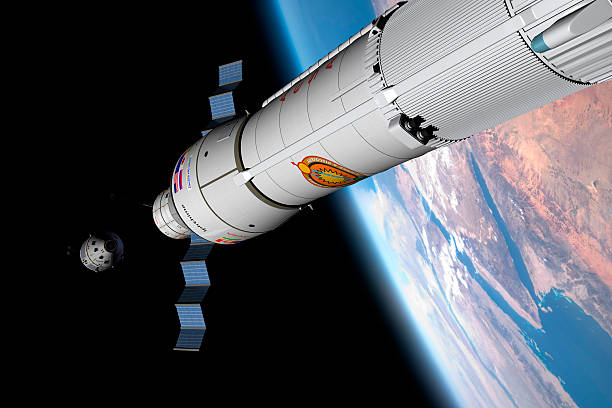
Starship Orbital Refueling: The Hardest Part of SpaceX’s Mars Plan
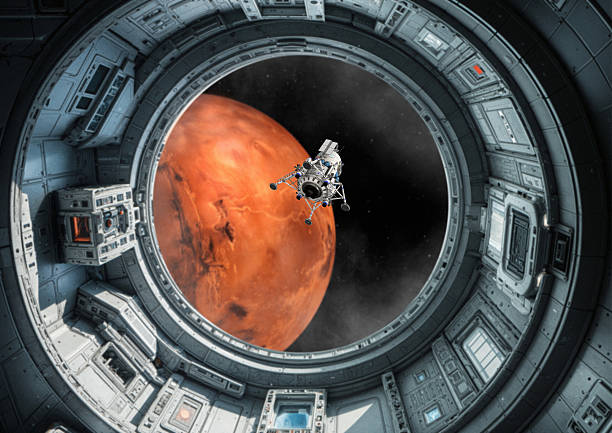
Starship is a fully reusable launch system. The booster, Super Heavy, is designed to come back and land. The ship itself is supposed to survive reentry, land, and fly again. That alone is huge. But reusable rockets still face a basic problem: the rocket equation. Most of a rocket’s mass is propellant. To send a heavy payload to the Moon or Mars, you need a lot of fuel. Starship can’t carry all of it, plus cargo, plus crew, and still have enough left to land and come home. So SpaceX plans to launch tanker versions of Starship, park them in low Earth orbit, and transfer methane and liquid oxygen to the ship that’s actually going somewhere.
That sounds simple. It isn’t. In orbit, fluids don’t sit nicely at the bottom of a tank. They float. They slosh. Cryogenic propellants are extremely cold, and sunlight can boil them off over time. Docking two massive spacecraft together is hard enough. Docking them while transferring hundreds of tons of super-cold fuel is another level. You need precise rendezvous, reliable seals, insulation, pressure control, and software that can handle a complex dance without a human babysitter. SpaceX has done autonomous docking with Crew Dragon. It has landed boosters. It has not yet moved bulk cryogenic propellant from one Starship to another in orbit. That test is the make-or-break moment.
NASA is watching closely. Its Artemis program wants to put astronauts back on the Moon, and SpaceX’s Starship Human Landing System depends on orbital refueling. A lunar Starship would launch to Earth orbit, get filled by tanker flights, then head to the Moon. Without refueling, it can’t do the job. That means the future of American lunar exploration is tied to a technology that has never been proven at this scale. For SpaceX, the pressure is real. For everyone else, it’s a signal that the next era of spaceflight isn’t just about building bigger rockets. It’s about building a fuel network in orbit.
If SpaceX gets it right, the payoff is enormous. A reusable rocket that can refuel in orbit becomes a true transportation system. You don’t have to launch everything you need from the ground in one shot. You can send up fuel, cargo, and crew separately, then assemble the mission in space. That lowers the mass penalty for going beyond low Earth orbit. It makes Mars missions more realistic. It opens the door to larger lunar bases, asteroid mining, and even space factories that need raw materials and power. It also makes Starlink expansion and heavy commercial launches more routine, because the same basic hardware can be reused and refueled instead of thrown away.
SpaceX didn’t change space by playing it safe. It changed space by landing rockets on drone ships when everyone said it was impossible. It built its own engines, its own capsules, and its own satellite network. Now it’s trying to turn orbital refueling into a normal part of flight. That’s not a small upgrade. It’s infrastructure. The first Starship to Mars won’t go alone. It will be part of a fleet, supported by tankers, depots, and launch cadence that would have sounded insane ten years ago.
There are still big risks. Cryogenic transfer is hard. Boil-off is hard. Rapid reuse is hard. Launch schedules slip. Money runs out. Hardware explodes. But the direction is clear. The company that learns to refuel in orbit doesn’t just win a contract. It unlocks the solar system. SpaceX has already changed what people expect from a rocket company. Orbital refueling is how it changes what people expect from space travel itself. The first tanker that docks and transfers fuel will be a bigger deal than most launches. It will mean the gas station is open.
Space News
Latest Articles
New rockets, upcoming launches, and the stories shaping humanity's push off this planet. No astronomy degree required.