The Real Gear Problem in Deep Space Is Keeping Food Edible for Years
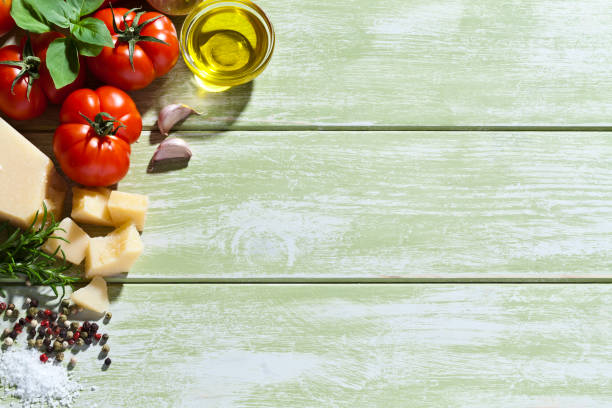
Current space food is freeze-dried, thermostabilized, irradiated, or shelf-stable. Think retort pouches, dehydrated eggs, tortillas, nuts, and granola bars. Tortillas are popular because they don’t make crumbs. Crumbs float into vents and eyes. Water is heavy, so rehydration costs. You recycle sweat and urine into drinking water, but you don’t want to waste it on food if you can avoid it. Freeze-drying cuts mass, but it doesn’t solve shelf life. Vitamins degrade. Fats oxidize. Textures turn to cardboard. After a couple years, a meal can be safe and still be nutritionally useless. Radiation doesn’t spoil food like a bad burger, but it can speed up off-flavors and nutrient loss.
Time is the biggest enemy. Vitamin C, A, D, E, and some B vitamins break down. Temperature matters. Every 10 degrees Celsius can double reaction rates. Oxygen is the enemy. Packaging needs high-barrier films, oxygen scavengers, and nitrogen flushing. Retort pouches are tough, but they add mass. Every ounce of packaging is an ounce you can’t spend on fuel, experiments, or spare parts. That’s the trade. The goal is a five-year shelf life. That’s the number NASA talks about for Mars. Five years is a long time for any food, even freeze-dried.
Nutrition delivery is more than calories. Astronauts need 2,500 to 3,000 calories a day. They also need protein to fight muscle loss, calcium and vitamin D for bone loss, omega-3s for brain and inflammation, antioxidants for radiation damage, and iron for blood. Protein quality matters too. You need all nine essential amino acids, and plant proteins often fall short in one or more. Blending matters. Sodium is tricky. Too much can worsen bone loss. Too little can mess with electrolytes. The food system has to hit those numbers for years. You can’t just throw multivitamins at it. Supplements degrade too, and absorption changes. Some nutrients need fat to absorb. Some interact. It’s a chemistry puzzle inside a plastic pouch.
NASA and others are working on it. The Deep Space Food Challenge has pushed teams to build closed-loop systems. Ideas include engineered bars and shakes, 3D-printed meals, fermented proteins, algae, fungi, insects, and cultured meat. Bioregenerative systems could grow lettuce, tomatoes, and potatoes. But plants alone won’t feed a crew. They take light, water, and volume. They also fail. You still need stored food as a backup. Insects are efficient, but culture and psychology are hurdles. Algae can produce oils and protein, but taste is a problem. The smart approach is hybrid: shelf-stable base meals plus fresh produce plus supplements and maybe a bioreactor for protein and fats.
Packaging is its own gear problem. You can’t toss wrappers out the airlock. Waste piles up. Some teams are testing edible packaging, compostable wrappers, and reusable containers. Water recovery systems can pull moisture from food waste and packaging. But every new material has to be safe, stable, and not off-gas. It also has to survive launch vibrations and vacuum. A pinhole in a pouch can ruin a year of planning.
Then there’s the human factor. Menu fatigue is real. Eating the same chicken teriyaki for 900 days will wreck morale. Food is comfort. It’s a connection to home. Flavor, texture, and smell matter. Astronauts trade meals like currency. If the food tastes like wet cardboard, they eat less. Then they lose weight, lose muscle, and make mistakes. A nutrition delivery system that ignores psychology is a failed system.
The future of space food isn’t one magic meal. It’s a system. It’s high-barrier packaging, nutrient stabilization, water recycling, bioreactors, and a menu people actually want to eat. The gear has to be light, tough, and boringly reliable. When a crew is six months from Earth, the best space food is the stuff that still tastes decent and keeps them healthy. That’s the real challenge. Not cooking. Keeping nutrition alive in a package that can survive the void.
Space News
Latest Articles
New rockets, upcoming launches, and the stories shaping humanity's push off this planet. No astronomy degree required.