Transient lunar phenomena and the glow reports
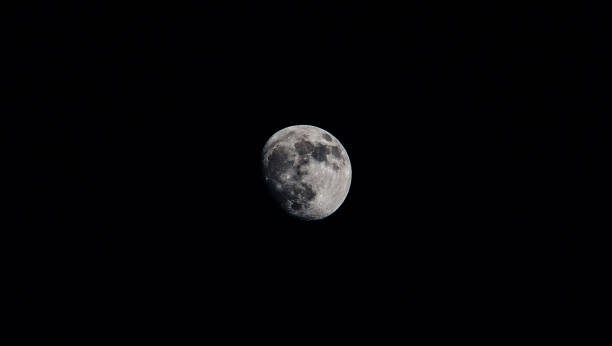
TLP reports go back to at least the 1500s, but the modern era really kicked off in the 1950s and 60s, when dozens of credible observers from amateur clubs to the Lunar Orbiter program logged events. The descriptions are weirdly consistent: a reddish or pinkish glow near a crater rim, a sudden bright spot that fades after twenty minutes, or a blurry patch that looks like low-lying fog catching sunlight. Aristarchus Crater is the hotspot—more than a quarter of all TLP reports come from that one forty-kilometer-wide hole. Plato and Alphonsus also pop up frequently. The glow is never permanent, never a flash like an impact, and it doesn’t repeat on a reliable schedule. That’s the maddening part for science.
The leading hypotheses boil down to a few realistic mechanisms. One is outgassing—the Moon isn’t completely dead. There’s evidence of radon gas seeping from subsurface cracks, and released dust could scatter sunlight in a way that looks like a temporary cloud. Another idea is electrostatic levitation. The lunar surface gets charged by solar wind during the day, and at the terminator line—the sharp boundary between day and night—dust grains can lift off and hover, creating a faint haze. A third possibility is that some TLP events are simply impacts from meteoroids that hit the surface but are too small to leave an obvious crater. The impact flash would last only a fraction of a second, but the ejected material could stay lit for longer. None of these explanations require little green men or alien base glowsticks. They are plausible, natural phenomena that we still haven’t pinned down because no one has been there to watch them up close.
Here’s where the return plans get tangled. When you’re designing a landing site for a permanent outpost, you want to know exactly what the ground is doing. If TLP represents active outgassing from lunar vents, those vents could be near geologically interesting spots—resources like water ice might be trapped in cold traps near the poles, but also near volatile-rich areas that occasionally vent. If you park a habitat next to a vent that releases dust, your solar panels get coated. If the glow is caused by electrostatic dust transport, you might be walking into an environment where fine, staticky regolith clings to everything from spacesuit visors to life support filters. The Apollo crews already hated Moon dust. A landing site with frequent low-level dust events could be a maintenance nightmare.
The destinations under consideration for Artemis and early commercial missions lean heavily toward the lunar south pole, specifically the Shackleton Crater rim and nearby peaks of eternal light. That area seems quiet in terms of TLP reports. But Aristarchus, the TLP champion, is right on the near side, a forty-hour drive from the pole if you had a rover. That’s a tempting target for a follow-up mission focused on geology—or for a private company looking to build a tourist destination with a built-in show. Imagine a dome on Aristarchus where, once a month, you get a guaranteed natural light show that scientists still can’t fully explain. That sells tickets.
The reality is that TLP remains a low-priority mystery. We have better ways to scan for impacts, and the Lunar Reconnaissance Orbiter has mapped the surface in enough detail to rule out many old reports as optical illusions or instrument noise. But some events still pass the smell test. In 2013, a Spanish team used a robotic telescope to catch a brightening on the Moon’s surface that matched a known Apollo-era TLP event. Two different telescopes saw it. That makes it hard to dismiss as a camera artifact.
For the men in their twenties reading this who might actually book a trip to the Moon in the next fifteen years, the takeaway is straightforward. TLP is not a threat. It’s not going to launch a boulder at your lander. But it is a reminder that the Moon is not a static, dead rock. It has modern activity—gas leaks, dust clouds, modest impacts. If you’re planning a permanent base, you need to know where those events are concentrated. And if you’re planning a tourist trip to a historic crater like Aristarchus, you might just get a glow report of your own from the floor of the dome. That’s a story worth telling.
Space News
Latest Articles
New rockets, upcoming launches, and the stories shaping humanity's push off this planet. No astronomy degree required.