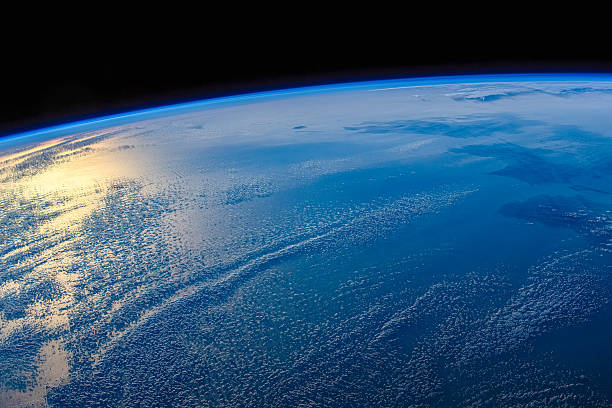
Vandenberg launches over the Pacific coast

Vandenberg launches over the Pacific Ocean. That simple geographic fact changes everything about how you watch, what you see, and why it matters. Unlike Florida, where rockets arc east over the Atlantic, Vandenberg sends payloads south or southwest over open water. This trajectory is ideal for polar orbits and sun-synchronous orbits — the kind of paths used by spy satellites, weather satellites, and the majority of Earth-observation spacecraft. Commercial imaging companies, military reconnaissance programs, and even SpaceX’s Starlink constellation rely on polar launches from Vandenberg to reach their target orbits. So when you watch a launch here, you’re not seeing a tourist stunt or a science experiment. You’re watching the backbone of global communications and surveillance being put in place.
From a spectator’s perspective, Vandenberg offers something Florida can’t: a launch that happens in broad daylight with the Pacific as a backdrop. Because the base sits right on the coast, you can stand on a public beach or a nearby hill and watch a rocket rise over the waves. The plume reflects off the ocean in a way that makes the exhaust trail look more vivid and dramatic than anything you’ll see against the dark Atlantic. If you catch a twilight launch, the “jellyfish” effect — where the exhaust expands in the upper atmosphere and catches the sun even after it’s set on the ground — is often more pronounced because the ocean horizon provides a cleaner, darker canvas.
But there are trade-offs. Vandenberg launches are less frequent than those from Florida, so you can’t just show up any weekend and expect a show. You also have to contend with California’s notorious marine layer — that thick blanket of low clouds that rolls in from the ocean and can completely obscure a launch until the rocket punches above it at 30,000 feet. Timing is everything. Summer launches are more likely to be fogged out, while winter launches often enjoy clearer skies because the marine layer is weaker. Check the local forecast at Vandenberg itself, not just Santa Barbara or Lompoc, because the base has its own microclimate.
If you want to watch in person, your best bet is Ocean Park in Lompoc or the public viewing areas along Highway 1 near the base gate. These spots are about four to six miles from the pad, so you don’t need binoculars, but they help. The sound delay is noticeable — the rocket will be halfway into its ascent before you hear the crackle and rumble. That’s part of the experience. Bring a folding chair, warm layers even in summer, and patience. Launch windows can slip, and scrubs happen. The Vandenberg Twitter account and the official Space Force launch schedule are your best sources for real-time updates.
For those who can’t make the trip, live streams from SpaceX and the Space Force are solid, but the real value in watching Vandenberg launches online is the tracking footage. Because many Vandenberg missions go into polar orbit, the rocket’s trajectory takes it south along the California and Baja coastlines, often visible from San Diego if the weather cooperates. You can set up a simple video feed from a coastal webcam in San Diego or Ensenada and watch the second stage’s burn as it climbs over the horizon. That’s something you can’t replicate with Florida launches, which disappear over Cuba within minutes.
The rockets themselves are the same hardware you’d see elsewhere — Falcon 9s, Atlas Vs, and occasionally Electron or Firefly Alpha boosters from the nearby San Nicolas Island site. The difference is the mission profile. Vandenberg launches are often classified, so don’t expect detailed payload explanations. But that mystery is part of what makes them compelling. Every time a Falcon 9 lifts off from SLC-4E here, you’re watching a National Reconnaissance Office satellite go up, or a group of Iridium NEXT satellites, or a Starlink batch for polar coverage. The stakes are high, the hardware is proven, and the scenery is unforgettable.
So if you’re an American in your twenties who works a desk job and wants something real to see on a weekend, Vandenberg is your launch site. It’s not the circus of Cape Canaveral. It’s quieter, colder, and less predictable. But when that rocket climbs out of the fog and turns south over the Pacific, you’ll understand why this coast matters just as much as the Atlantic.
Space News
Latest Articles
New rockets, upcoming launches, and the stories shaping humanity's push off this planet. No astronomy degree required.