Veggie experiment and the ISS lettuce harvest
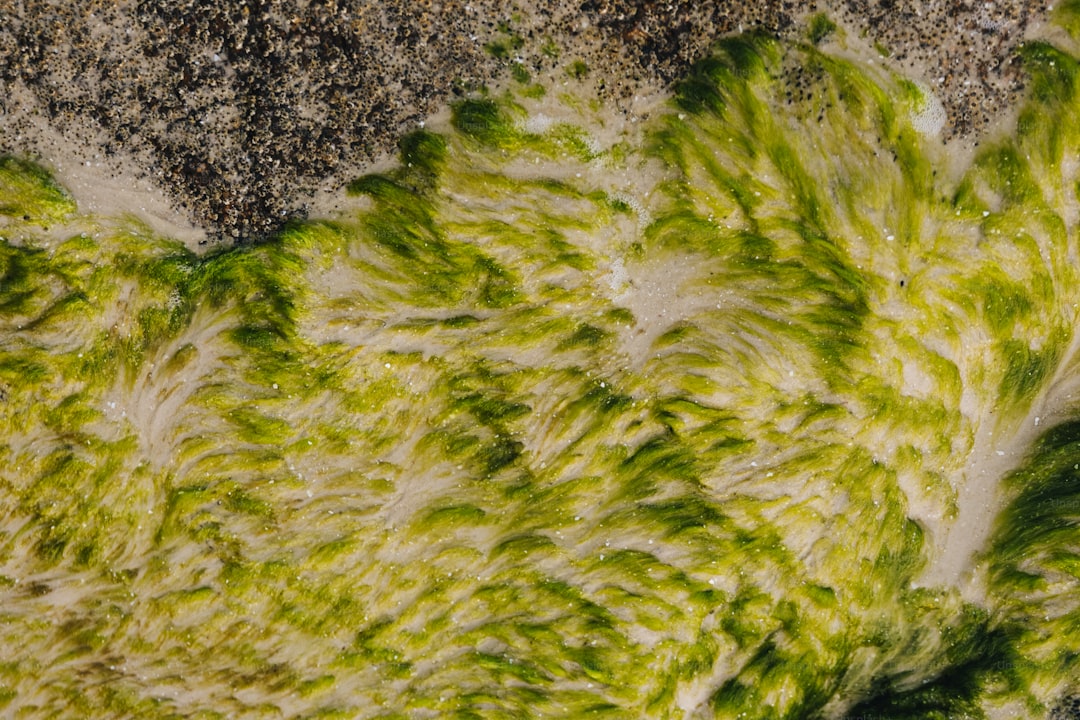
The problem is simple: space food sucks. Not just in taste—though eating thermostabilized chicken every day would wear thin—but in logistics. Every pound of cargo launched from Earth costs roughly ten thousand dollars. A crew of four needs about six thousand pounds of food per year. For a Mars mission, that’s millions of dollars in calories alone. Worse, packaged food loses nutrients over time. Vitamin C degrades. Folates vanish. By the time a Mars crew hits the halfway point, their rations would be empty shells. You can’t FedEx a salad bar to another planet.
Enter the Veggie plant growth system. It’s a boxy chamber about the size of a carry-on suitcase, fitted with LED lights and a porous root mat. No soil. No gravity. Just water, air, and controlled light spectrums. In 2014, NASA installed it on the ISS. By 2015, astronauts harvested their first crop of “Outredgeous” red romaine lettuce. They wiped it down with sanitizing wipes—because, yes, space bacteria exist—and ate it with balsamic vinegar. It wasn’t gourmet, but it was proof that photosynthesis works without “up” or “down.”
The science behind that lettuce is tougher than it looks. Without gravity, water doesn’t drain. It clings to roots by surface tension, which can drown plants or starve them of oxygen. The Veggie team solved this by using a passive wicking system and a fan to gently circulate air. They also discovered that red and blue LEDs, tuned to specific wavelengths, drive growth without the heat and energy waste of white light. The result? A crop that goes from seed to harvest in about thirty days—faster than Earth’s soil-based growth. Plants adapt to microgravity by sending roots in random directions, but they still produce edible leaves. That’s a win.
But the real payoff isn’t the lettuce itself. It’s the psychological edge. Studies on the ISS show that crews who tend plants report lower stress and better morale. A burst of green in a metal tube is a reminder of Earth. And when you’re stuck in a can for eighteen months heading to Mars, that matters. Fresh produce also delivers vitamins that degrade in stored food. A single serving of space-grown lettuce provides measurable vitamin K and beta-carotene. It’s not a replacement for a balanced diet, but it plugs a gap that packaged meals can’t fill.
The next step is scaling up. The Veggie system is small—it produces maybe a few ounces per harvest. For a Mars colony, you’d need dedicated greenhouses with larger root zones, higher yields, and the ability to recycle water and nutrients. NASA’s Advanced Plant Habitat, a larger, more automated system, is already testing wheat and peppers on the ISS. The goal is to breed crops that thrive in low gravity and high radiation. Lettuce is easy. Tomatoes and berries are harder. But every head of romaine grown off-world is a data point toward self-sufficiency.
There’s also the dirt factor. Real soil is heavy and messy. The Veggie experiments use a clay-based substrate mixed with controlled-release fertilizer. On the Moon or Mars, you’d mine regolith—the local dust and rock—but it lacks organic matter and can contain toxic compounds like perchlorates. Researchers are testing how to “wash” those out or engineer plants that can tolerate them. Again, the ISS lettuce is the test bed. If we can grow greens in a microgravity habitat, we can adapt those lessons to a greenhouse on the red planet.
So why should you care? Because space farming isn’t a sideshow. It’s the bottleneck on every serious deep-space mission. The ISS lettuce harvest proved that human beings can grow their own food beyond Earth’s atmosphere. It’s not a gimmick. It’s a rehearsal for the day when you’ll hear that a Martian settlement just harvested its first crop of potatoes. And that technology will trickle back to Earth—improving vertical farming in cities, cutting water use in drought zones, and making food production more resilient. The same LEDs that ripen lettuce in orbit can grow kale in a Chicago basement.
Bottom line: we’re not going to colonize space on freeze-dried packets. We’re going to do it on salad greens. The Veggie experiment is step one. The crew on the ISS didn’t just eat lettuce. They ate the future. Pay attention.
Space News
Latest Articles
New rockets, upcoming launches, and the stories shaping humanity's push off this planet. No astronomy degree required.