Visiting Baikonur as a foreign tourist
Baikonur is not a tourist destination in the conventional sense. There are no souvenir shops, no VIP lounges, no Wi-Fi that works. The town itself, built to support the cosmodrome, looks like a Soviet-era ghost town that was frozen in 1985. But the launch sites are the reason you come. They are not theme park attractions. They are functional, sometimes decaying, always dangerous. And that is precisely what makes them worth visiting.
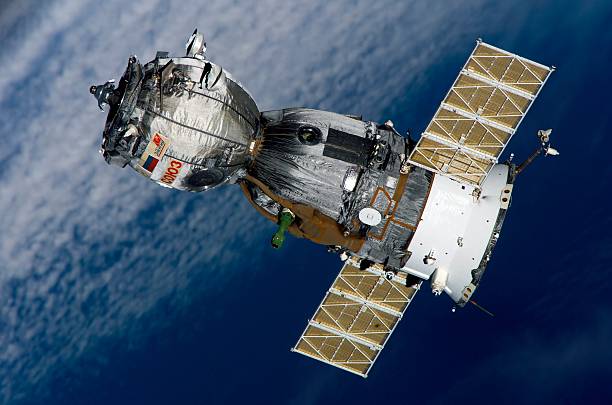
The main launch site you will see is Site 1, also called Gagarin’s Start. It is the same pad where Yuri Gagarin lifted off in 1961, making him the first human in space. That pad is still active today. Foreign tourists can stand about one kilometer away during a launch. You will feel the ground shake before you hear the sound. The rocket itself, the Soyuz, is a design from the 1960s that has not fundamentally changed. It works. That is the whole ethos of Baikonur: if it isn’t broken, keep using it until it burns up in the atmosphere.
The experience of watching a Soyuz launch from Baikonur is unlike anything at Cape Canaveral. There are no grandstands. No Jumbotron. No live commentary in English. You stand on packed dirt among Kazakh steppe grass. The air smells like diesel and dust. Security is aggressive but inefficient. You will likely be patted down by a man in his fifties who speaks no English and does not care about your phone. That is fine. The launch does not need your attention. It happens on its own schedule.
Site 31 is another active launch pad, used primarily for Progress cargo missions and commercial Soyuz flights. It is slightly less historic but more pragmatic. If you visit during a launch campaign, you will see the rocket horizontally transported on a railcar from the assembly building to the pad. This is a slow, deliberate process. The rocket lies on its side, wrapped in a blue tarp, rolling through the steppe at walking speed. It looks absurd. It also looks like exactly the kind of engineering that refuses to fail because it refuses to change.
There are abandoned launch sites too, and they are worth your time. Site 45 was used for Zenit rockets, which are no longer in service. The pad stands empty, corroding in the dry air. You can walk up to it. There is no fence. No guard. Just a massive concrete structure that once held a rocket capable of launching military satellites. The silence there is heavier than the noise of an actual launch. It reminds you that space exploration is not just about the future. It is about what we left behind when we decided to move on.
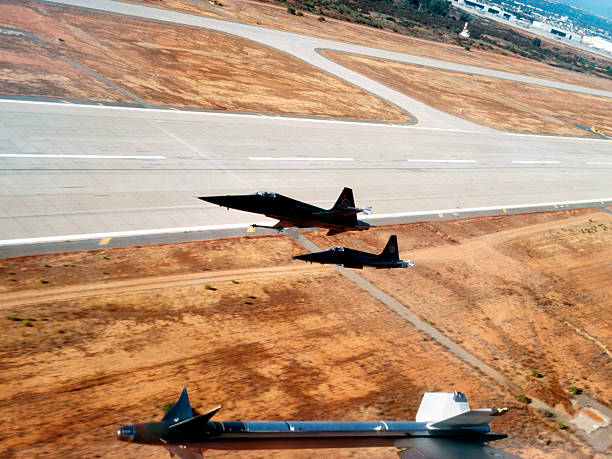
The cosmodrome also has the Buran landing strip, an enormous concrete runway built for the Soviet space shuttle. Only one Buran ever flew to space, and it was destroyed in a hangar collapse in 2002. The runway remains, open to the sky, with nothing but wind and weeds. You can stand in the middle of it and imagine a shuttle coming down. That is all there is to do. It is enough.
If you plan to visit, understand that you cannot just show up. You must book through a licensed tour operator, typically Russian or Kazakh. You will need a visa, which takes weeks. You will stay in a Soviet-era hotel with limited hot water and no air conditioning. The food is meat and bread, mostly mutton. You will spend most of your time waiting. Waiting for clearances. Waiting for the bus. Waiting for the launch. But when the Soyuz finally lifts, that waiting becomes part of the story.
You are not a spectator at Baikonur. You are a guest in a place that does not care whether you come or go. The steppe is indifferent. The launch sites do not welcome you. They tolerate you. And for a brief moment, when the rocket climbs above the horizon, you understand why the Soviet engineers built them here in the first place. There is nothing else for miles. No distractions. No excuses. Just a rocket and a destination.
That is the entire point of visiting Baikonur. It strips away the hype. No countdown clocks, no celebrity astronauts, no branded merchandise. Just steel, fuel, and a hole in the sky. If that sounds like your kind of trip, start planning now. The steppe will still be there. The launch pads will still be there. But the window to see them before the next generation of rockets takes over is closing. Go while the Soyuz still flies.
Space News
Latest Articles
New rockets, upcoming launches, and the stories shaping humanity's push off this planet. No astronomy degree required.