Wallops Island comparison for US viewers
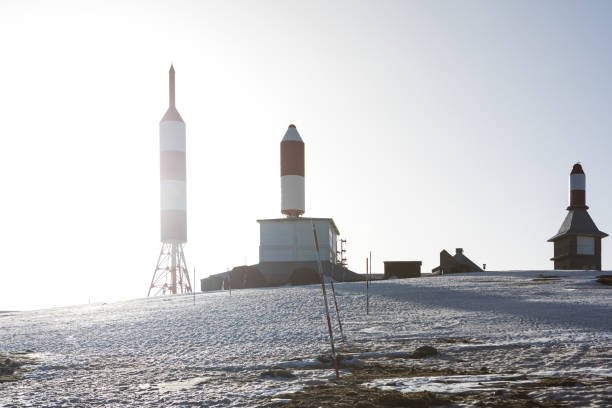
Wallops Island has a lot going for it. It’s in the continental United States, which means domestic regulation, familiar supply chains, and a steady stream of NASA and Defense Department contracts. The Mid-Atlantic Regional Spaceport sits on a barrier island off Virginia’s eastern shore, and it’s been launching rockets since the 1940s. You can drive there from Washington D.C. in about four hours. The facility handles everything from suborbital research flights to the occasional Electron launch when Rocket Lab needs to serve a U.S. government customer. But Wallops has hard limits. Its range extends over the Atlantic, which means you can’t launch into low-inclination orbits without overflying populated areas or dealing with airspace closures. The range safety restrictions are strict. A bad weather day off the Virginia coast can scrub a launch for weeks. And because Wallops shares the airspace with commercial aviation and military training zones, launch windows are tight. You book a slot, you wait, and you hope the skies cooperate.
Now compare that to Mahia. Rocket Lab’s primary launch site is located on a private farmland lease on the North Island’s east coast. There is no military base next door. There is no major airport within thirty miles. The nearest city of any size is Gisborne, about an hour’s drive away, with a population just over 37,000. The launch site itself sits on a headland that juts into the South Pacific. The ocean to the south and east is essentially empty all the way to Antarctica. That means Rocket Lab can launch into a wide range of orbital inclinations without worrying about dropping stages on people or boats. The airspace above Mahia is managed by a tiny civil aviation authority that gives Rocket Lab near-total flexibility. The company can launch as often as it wants, provided the weather holds and the hardware is ready.
Weather is another massive difference. Wallops Island sees a mix of Atlantic storms, coastal fog, and winter nor’easters that can shut down launch operations for days at a time. Mahia sits in a microclimate that is famously stable. The prevailing winds come off the Pacific, but the peninsula is sheltered by the surrounding hills. Rain is common, but it tends to come in short bursts rather than lingering systems. Rocket Lab has launched in conditions that would scrub a Cape Canaveral mission without hesitation. Light drizzle, moderate winds, low cloud ceilings—none of it phases the Electron rocket or its ground systems. That flexibility translates directly into more frequent launches and shorter turnaround times. For a company that prides itself on rapid, responsive access to space, that’s the entire business model.
There is also the regulatory side. In the United States, launching a rocket requires coordination with the FAA, the Air Force, the Coast Guard, the National Transportation Safety Board, and local emergency services. The process takes months. In New Zealand, Rocket Lab worked directly with the government to create a tailored licensing framework. The New Zealand Space Agency was established specifically to support commercial launch operations. The result is a regulatory environment that moves at startup speed, not government speed. When Rocket Lab needs to adjust a launch window or change a trajectory, it happens in days, not weeks.
For American viewers, the instinct is to see Mahia as some exotic outlier. A launch site on the other side of the world, in a country known for sheep and hobbits, seems like a novelty. But the reality is practical and brutal. Mahia exists because the United States launch infrastructure, while extensive, is not optimized for the small satellite revolution. Wallops Island is a good facility, but it was designed for government payloads and infrequent launches. Rocket Lab needed a site that could support weekly launches, minimal bureaucracy, and nearly unlimited trajectory options. They found it in New Zealand. The result is a launch site that outperforms most American ranges on frequency, flexibility, and cost. That is not an opinion. It is a fact reflected in the launch logs. For anyone tracking the future of space access, Mahia is not a novelty. It is the template.
Space News
Latest Articles
New rockets, upcoming launches, and the stories shaping humanity's push off this planet. No astronomy degree required.