Starbase as a company town in progress
First, location matters. Boca Chica is a flat, windswept stretch right on the border with Mexico, about twenty miles east of Brownsville. It’s the southeasternmost tip of Texas, and it’s basically empty. That’s the point. When SpaceX scouted this site in the early 2010s, they weren’t looking for nice weather or nearby hotels. They were looking for isolation, low population density, and direct ocean access for overflight. The launch site sits on the Gulf of Mexico, so any debris from an explosive failure—and there have been plenty—falls into the water, not into someone’s backyard. That’s not just smart engineering; it’s the only reason the FAA signed off on this kind of aggressive test-to-failure program. For American men who want the unvarnished version: Starbase exists because Texas has open land, a regulatory climate that doesn’t stall projects for a decade, and a coastline that absorbs screw-ups.
The launch site itself is a dirt-and-concrete industrial campus. It’s not a spaceport like Cape Canaveral or Vandenberg, with visitor centers and VIP galleries. It’s a factory with a launch mount attached. The main landmark is the orbital launch mount, a massive steel structure that holds Starship and Super Heavy. You’ve seen the test footage: the 120-meter tower, the chopstick arms that catch boosters, the concrete flame trench that gets blown to hell every time a Raptor engine lights. There’s no polished pad with service towers and gantries. Instead, there’s a production facility, or “tent city,” where they build the rockets a mile from where they launch. That proximity is the whole ballgame. SpaceX doesn’t build in California and ship to Florida. They build on-site, roll it out, and fire it. That speed lets them iterate faster than anyone else in the business. When you see a Starship prototype explode, they can weld up a new one in weeks, not years.
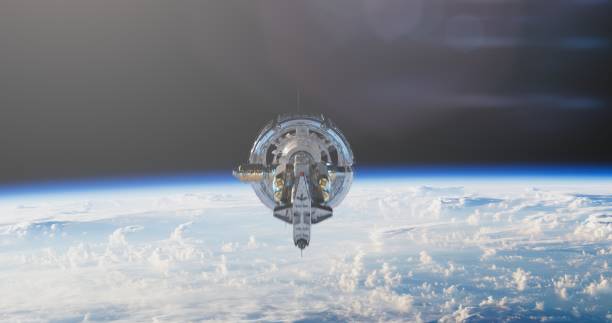
The launch site’s infrastructure is evolving fast. Right now, they’re building a second launch mount and more ground support equipment. The goal is to get orbital launch cadence up to multiple flights per week, not per quarter. That means massive propellant storage—liquid methane and liquid oxygen—piped directly to the pad. It means cryogenic tank farms that look like something out of a refinery. It means orbital fuel depots in the future, because Starship’s big trick isn’t just getting to orbit; it’s refueling there. The launch site is designed to support that, with the ability to pump tens of thousands of pounds of propellant per hour. This isn’t a tour bus operation. It’s a manufacturing launch site built for mass production and rapid reuse.
Now, the company town part. Starbase isn’t just a launch pad; it’s a settlement. SpaceX bought up most of the land in Boca Chica Village, relocated most residents, and started building housing, offices, and even a launch control center. Workers live in RV parks, temporary dorms, and a new apartment complex called the “Dogg House.” There’s a Starbase general store, a cafe, and a gym. The vibe is less Cape Canaveral, more offshore oil rig with ambitions. For the workers—mostly young engineers, welders, and technicians—this is a 24/7 commitment. The town exists because they need to be on site when a tank test happens at 3 AM or a static fire gets scrubbed back to Saturday. The Texas Frontier moniker isn’t marketing fluff. This is literally a frontier: a new outpost for heavy industry in a place that was mostly fishing shacks and sand dunes five years ago.
The biggest risk for Starbase as a company town? Government regulation and environmental pushback. The FAA has already demanded mitigation for wildlife impacts, especially sea turtles and birds. There are lawsuits from environmental groups. And the Texas coast gets hurricane seasons that will eventually shut the site down for days at a time. But SpaceX has shown they don’t back down from those fights. They’ve already built a massive berm to protect the launch site from storm surge. They’ve proven they can launch Starship twice in one year when nobody thought they could fly the full stack at all.
Bottom line: Starbase is the first serious attempt to build a private, orbital-class launch site that doubles as a live-work industrial town. It’s not a tourist attraction. It’s a machine for building and launching the biggest rocket ever made. For anyone following the future of spaceflight, this is the template. If SpaceX succeeds here, every future heavy-lift program will look at Boca Chica and say: build it cheap, build it remote, build it fast. And don’t let anyone tell you a launch site needs a visitors’ center.
Space News
Latest Articles
New rockets, upcoming launches, and the stories shaping humanity's push off this planet. No astronomy degree required.