What Apollo applications program could have been
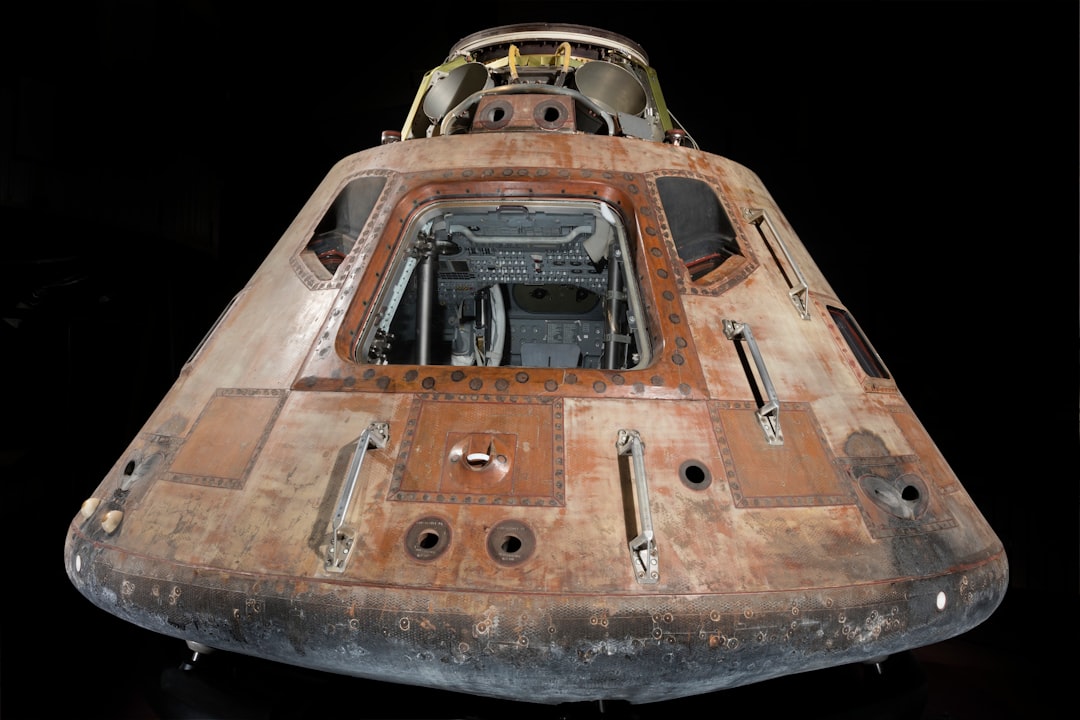
The core idea behind Apollo Applications was simple: we already paid for the Saturn V rocket, the Apollo command module, and the lunar lander. Why not reuse that hardware for more ambitious stuff? The first batch of missions focused on extended lunar science. Instead of the standard three-day surface stay, NASA planned missions where astronauts would camp on the Moon for two full weeks. That meant more geology, more drilling, and more sample collection across multiple landing zones. The Apollo 15, 16, and 17 missions that actually flew were already longer than the early landings, but Applications would have doubled those stays. Engineers designed a “lunar shelter” module that could support a crew for fourteen days without needing the lunar module’s ascent stage nearby. Those astronauts would have hiked miles from their landing site, setting up seismic stations and solar-powered experiments. The surface mobility would have shifted from the rover to a pressurized cabin on wheels, essentially a rugged RV for the Moon. We came within a year of seeing that happen.
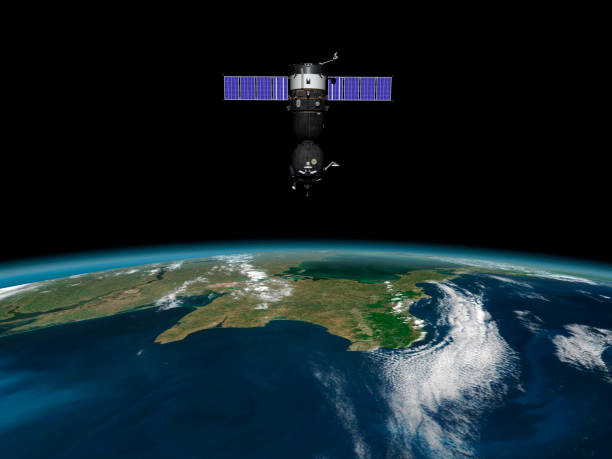
Then there were the orbital missions. NASA planned to convert empty Saturn V third stages into wet workshops. The idea was to launch a hydrogen tank that had already vented its fuel, then have astronauts fly up in a separate command module, dock with the tank, and pump in breathable air. They would live and work inside a converted fuel tank for up to 56 days. That program eventually became Skylab, but Skylab was a stripped-down version compared to what Applications envisioned. The original plan called for multiple workshops, each with a solar telescope mount, an Earth observation module, and a centrifuge for artificial gravity experiments. Two separate Saturn V rockets would have launched these stations into low Earth orbit, one right after the other, giving the US a permanent presence in space by 1972. Instead, we got one station that launched three years late and burned up in 1979.
The most audacious part of Apollo Applications involved Mars. NASA seriously studied using the Saturn V to launch a crewed flyby mission of the red planet. The idea wasn’t to land, just to swing past Mars in a modified Apollo spacecraft and come home. The mission would take about eighteen months total. Astronauts would live in a converted lunar module or a purpose-built habitation module launched on a separate Saturn V and assembled in orbit. The plan called for four astronauts, and the trajectory would have put them within a few hundred miles of the Martian surface. They would have taken high-resolution photos, deployed probes, and literally watched the planet roll by their windows. The mission was technically feasible with 1970s hardware. The main obstacle was money and political will. Congress killed it in 1969, but the studies were detailed enough that engineers knew exactly what modifications they would have needed.
We also came close to Apollo missions that simply never launched. Apollo 18, 19, and 20 were already scheduled with hardware built when the axe fell. The cancellation of those landings meant three perfectly good Saturn V rockets were left to rot in storage or get converted into Skylab parts. The crews had already trained for sites like the crater Tycho and the Marius Hills. They had their geology exercises, their rover simulations, and their landing approach practice done. Then the funding evaporated. Those men never got their walk on the Moon. The close call here isn’t about survival—it’s about opportunity nearly grasped and then yanked away.
What did we actually get from Apollo Applications? Skylab. That’s it. One station, three crews, and a pile of cancelled hardware. The close calls we talk about in Apollo history usually involve things like the Apollo 13 explosion or the Apollo 1 fire. But the real close call for the Apollo Applications Program was the cut that turned a decade of Moon bases and Mars flybys into a single modified third stage. For American men in their twenties today wondering what the future of space travel looks like, remember this: the hardware was built, the plans were drafted, and the crews were ready. We let politics and budgets steal the next step. That lesson is worth carrying into the Artemis era.
Space News
Latest Articles
New rockets, upcoming launches, and the stories shaping humanity's push off this planet. No astronomy degree required.