Apollo 1 fire and the pure oxygen decision
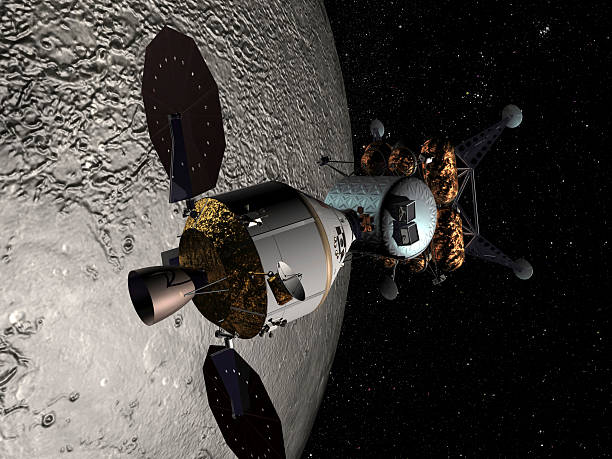
To understand why NASA made that choice, you have to understand the pressure cooker of the Space Race. The Soviet Union had already put a man in orbit and walked one in space. John F. Kennedy had promised a Moon landing before the decade was out. The Apollo program was behind schedule and over budget. Engineers were cutting corners and testing was rushed. In that environment, a decision that had worked fine for Mercury and Gemini got rubber-stamped for Apollo. Using pure oxygen at high pressure inside a sealed capsule seemed efficient. It saved weight. It simplified life support. It eliminated the need for complex mixed-gas systems. But it turned the cabin into a bomb.
The Apollo 1 command module was not just filled with pure oxygen. It was pressurized to 16.7 psi, higher than sea-level atmosphere. That is ideal for fire. In a pure oxygen environment at that pressure, materials that would normally smolder or resist flame burn with explosive violence. Nylon netting, Velcro strips, coolant lines, even the astronauts’ own spacesuit fabric—everything became tinder. There was no inert nitrogen to slow things down. There was no escape hatch that could be opened from the inside in seconds. The hatch was a three-piece, inward-opening design that required multiple tools and minutes to open. Once the fire started, the astronauts had no chance.
The ignition source was likely a frayed wire under Grissom’s couch. Arcing, sparking, and then a flash. Within seconds, the fire spread across the cabin. The astronauts tried to get out. White reached for the hatch. Chaffee scrambled for the release mechanism. Grissom fought to open the inner seal. But the pressure from the fire pinned the hatch closed. The pure oxygen fed the flames so fast that the temperature inside the cabin hit 2,500 degrees Fahrenheit. The astronauts died of asphyxiation from carbon monoxide before the flames even reached them. It took less than two minutes from first report of fire to silence.
The failure was not just technical. It was institutional. The pure oxygen decision was made early in the Apollo design phase and never seriously questioned. Engineers knew the risks. There had been tests, reports, warnings. A 1964 study by the Air Force concluded that a pure oxygen atmosphere at high pressure was extremely hazardous. NASA ignored it. The agency was too focused on speed. The astronauts themselves had misgivings. Grissom famously hung a lemon on the Apollo 1 simulator months before the fire. But the pressure to launch was immense. The culture of “go fever” overrode caution.
So why does this mission matter today? Because NASA learned from it. Brutally. The Apollo 1 fire forced the agency to redesign the command module from scratch. They replaced the hatch with a quick-release, outward-opening design. They switched to a nitrogen-oxygen mix at lower pressure for ground testing. They instituted mandatory fire safety reviews and independent oversight. The changes delayed the program by eighteen months, but they probably saved the Apollo 13 crew in 1970. If the oxygen system had been pure again when that oxygen tank exploded, the cabin would have burned just like Apollo 1.
The fire also changed how NASA treats crew safety. It ended the era of “better to ask forgiveness than permission.“ It made safety reporting mandatory, not voluntary. Every astronaut since has trained in simulators that replicate emergency escape procedures because of those three men. The lesson is uncomfortable but clear: when you prioritize mission deadlines over basic physics, the physics always wins.
Apollo 1 never launched. It never orbited the Earth or headed for the Moon. But its failure shaped every successful mission that followed. The crew did not die in vain, but their deaths were not inevitable. They were the price of arrogance. If you want to understand why modern spaceflight is so cautious, look at that pure oxygen decision. Look at the silence after the fire. Look at the hatch that only opened inward. And remember that the worst failures are not the ones you see coming. They are the ones you think you already solved.
Space News
Latest Articles
New rockets, upcoming launches, and the stories shaping humanity's push off this planet. No astronomy degree required.