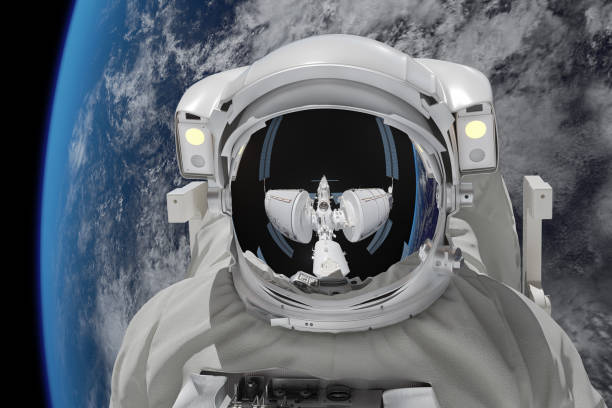
Artemis III landing at the lunar south pole

Let’s cut through the noise. Artemis III is not Apollo 2.0. The Apollo missions landed near the lunar equator, a relatively benign zone with gentle slopes, predictable sunlight, and temperatures that are downright balmy compared to the south pole. The south pole is a different beast entirely. It’s a landscape of permanent shadow, brutal cold, and terrain that makes the Apollo sites look like a golf course. The landing sites are in regions where the sun barely crests the horizon, casting long, knife-edged shadows that make navigation a nightmare. The temperature in these permanently shadowed craters can drop below -200 degrees Fahrenheit. That’s cold enough to shatter hardware that wasn’t designed for it.
So why go there? Because that’s where the water is. Orbital surveys have confirmed massive deposits of water ice locked in the polar craters. That ice is the single most valuable resource on the Moon. It can be melted into drinking water, split into oxygen for breathing, and broken down into hydrogen and oxygen for rocket fuel. A reliable water source at the south pole means the Moon becomes a refueling station, not just a flag-planting destination. That’s the whole point of Artemis: build a sustainable presence, not a series of drive-by landings.
The mission profile itself is straightforward on paper, but the execution will be brutal. Artemis III uses the Space Launch System rocket to launch the Orion crew capsule with four astronauts. But only two of them will actually descend to the surface. That’s where the Human Landing System comes in—a modified SpaceX Starship that will act as the lunar taxi. The astronauts will transfer from Orion to Starship in lunar orbit, then ride it down to the surface. After their surface stay, they’ll launch back up in Starship, dock with Orion, and head home.
Here’s the hard truth: Starship has never landed on the Moon. It’s never even been tested in a lunar environment. The vehicle is currently going through orbital test flights from Texas, and while those have shown promise, the leap from Earth orbit to a precision landing in a crater field is enormous. SpaceX is engineering a version of Starship with no heat shield, no fins, and no need to survive reentry. Instead, it has landing legs, a forward-mounted thruster system, and enough propellant to brake out of lunar orbit. If that sounds like a lot of new variables, it is. The landing itself will be the hardest part.
The surface stay is scheduled to last about six and a half days. That’s longer than any Apollo mission spent on the Moon. The astronauts will have to live in the Starship lander, which is spacious by previous standards—think a small apartment rather than a tin can. But they’ll also be in spacesuits that have to operate in the polar cold. NASA’s new suits, the xEMU, are designed for this, but they’ve never been tested in actual lunar conditions. Every step, every sample collection, every equipment check will be done in an environment that actively wants to kill you.
Science objectives are clear: collect samples from permanently shadowed regions, drill for subsurface ice, and deploy a suite of instruments to measure the local geology, radiation, and thermal environment. The data will feed directly into planning for later Artemis missions that aim to build a base camp. Think of Artemis III as a reconnaissance mission with a very expensive surface stay.
Why should you care? Because this isn’t just another government contract. Artemis III represents a fundamental shift in how we approach deep space. It’s public-private, it’s risk-tolerant, and it’s aimed at doing something genuinely hard that hasn’t been done before. If it succeeds, the south pole becomes a gateway. If it fails, it’ll be a very public reminder that space doesn’t care about your schedule.
For American men in their twenties, this is the first real chance to see a generation-defining moment in spaceflight live. You don’t remember Apollo. You grew up on Shuttle launches and ISS assembly. Artemis III is different. It’s exploration. It’s the first step toward a permanent off-world presence. Whether it launches in late 2026 or slips to 2027 or beyond, keep watching. This one matters.
Space News
Latest Articles
New rockets, upcoming launches, and the stories shaping humanity's push off this planet. No astronomy degree required.