Condiment bottles and the hot sauce addiction
The International Space Station has been orbiting Earth for over two decades. In that time, astronauts have reported the same phenomenon over and over: their sense of taste dulls in microgravity. Fluid shifts in the head cause nasal congestion, and without gravity pulling blood downward, your sinuses stay swollen. Food that tasted normal on the ground becomes bland in orbit. The standard solution? More heat. Hot sauce is the single most requested condiment on the ISS. Astronauts like Kjell Lindgren have described it as a “lifeline” to flavor. But you can’t just toss a bottle of Cholula into a Dragon capsule and call it done. The gear matters.
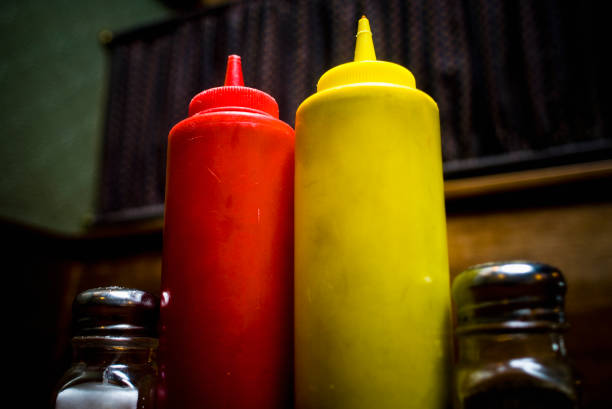
Traditional condiment bottles fail in space for three reasons. First, surface tension. On Earth, that squeeze bottle relies on gravity to keep the sauce at the nozzle. In orbit, the liquid clings to the sides, forms floating blobs, or stays stubbornly stuck inside the bottle. Second, pressure. A typical bottle designed for atmospheric pressure will either leak or collapse in a spacecraft’s controlled environment. Third, viscosity. Thin sauces like Tabasco splash and float away. Thick sauces like sriracha won’t flow at all without help. The gear that solves these problems is a specialized delivery system called a “condiment dispenser.” It looks like a heavy-duty squeeze pouch with a one-way valve and a luer-lock fitting. You’ve seen similar hardware in medical IV lines. The valve prevents the sauce from escaping until you apply deliberate pressure. The fitting allows astronauts to attach a narrow straw or a pre-ported food pouch. This gear is not sexy. It is functional.
The US space program learned these lessons the hard way. During the Gemini missions in the 1960s, condiments came in bite-sized cubes coated in gelatin. You chewed them. The flavor was there, but the experience was closer to medicine than food. By the Skylab era, astronauts got liquid salt and pepper suspended in oil. The oil kept the particles from floating off. But hot sauce remained a challenge because of its acidity and its need to stay liquid at room temperature. The breakthrough came when NASA partnered with commercial hot sauce manufacturers to develop space-rated packaging. Today, you can buy a bottle of “Tapatío Space Sauce” that was actually pressure-tested for orbit. The bottle is smaller, thicker-walled, and uses a twist-cap with a piercing mechanism. Squeeze it gently, and a precise droplet forms at the tip. Release, and the vacuum inside the bottle pulls the sauce back. No mess. No floaters.
But the gear goes beyond the bottle itself. The nutrition delivery system on the ISS involves rehydrated pouches, metal straws, and Velcro trays. Hot sauce fits into this ecosystem. Astronauts will squeeze sauce directly into the corner of a pouch, then cut the corner off to eat. Or they’ll inject it into a rehydrated rice packet using a needle-tip dispenser. The cleanest method is a “paste tube” that resembles a travel-size toothpaste. You screw on a cap, squeeze the sauce into your mouth, and swallow. No utensils. No floating blobs. This is the same principle behind the “space food sticks” of the Apollo era, but applied to heat.
Why does this matter for you? Because the gear that makes hot sauce work in space is the same gear that will make long-duration missions possible. On a trip to Mars, food boredom is a real threat. A crew that hates their meals loses morale, loses appetite, loses body mass. Hot sauce is a cheap, lightweight, shelf-stable way to add variety. Engineers are now working on printing custom spice blends using 3D food printers in microgravity. The nozzle of that printer is the direct descendant of the condiment dispenser. The challenge is the same: controlled, consistent delivery of a viscous liquid in zero-G.
The next time you reach for a bottle of Sriracha on your kitchen counter, remember that you are using gear designed for a world with gravity. In space, that same craving requires a complete rethinking of the hardware. The addiction is the same. But the delivery system is a high-stakes engineering problem. And right now, the solution is a sturdy little pouch with a valve and a dream of chili heat in orbit.
Space News
Latest Articles
New rockets, upcoming launches, and the stories shaping humanity's push off this planet. No astronomy degree required.