Crew selection for the no-return psychology profile
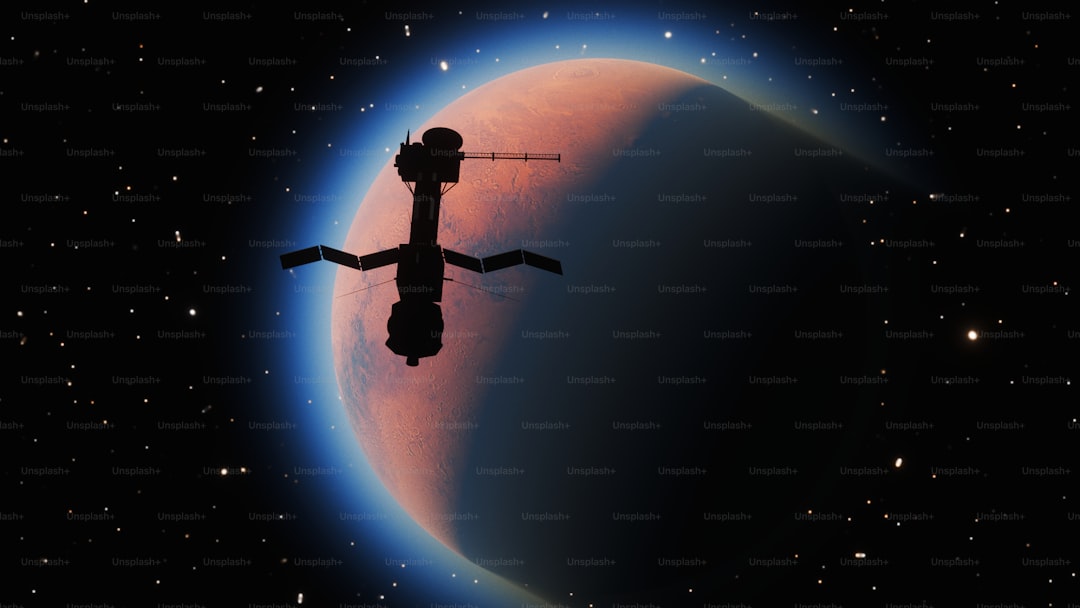
Not immediately. Not necessarily soon. But they are volunteering for a one-way ticket. No rescue. No return capsule. No second chance. That changes everything about who gets to go. NASA and SpaceX aren’t looking for the best astronaut on paper. They’re looking for a specific psychological profile that can handle permanent exile without snapping, without turning on each other, and without losing the mission.
Let’s get real about the psych requirements.
First, you need to understand the baseline stress. Mars is a 200-million-mile separation from Earth at its closest. A signal takes up to 24 minutes each way. You can’t call your mom. You can’t quit. You can’t walk outside without a suit or you’re dead in seconds. The habitat is cramped. The food is shelf-stable. The water is recycled from your own urine. And that’s a good day.
Psychological screening for a no-return colony has to filter out anyone who relies on the hope of going home. That’s most of us, whether we admit it or not. Civilians, soldiers, even career astronauts harbor some assumption that if things go sideways, someone will come get them. On Mars, that assumption is false. So the first cut is people who can accept finality without despair. Psychologists call this “terminal acceptance.” It’s not depression. It’s not fatalism. It’s a calm, pragmatic understanding that this is the last place you’ll live, period.
Second, the crew needs to function as a unit for years with no possibility of replacement. If two people develop a conflict that escalates into hatred, you can’t rotate them out. There is no HR department. There is no boss who can transfer someone. The selection process therefore prioritizes what experts call “low interpersonal volatility.” That means candidates who don’t take things personally, who can de-escalate arguments without needing to be right, and who can tolerate annoying habits without building resentment. They look for people who have lived in isolated groups before—Antarctica stations, submarines, long-duration spaceflight simulators—and emerged without hating everyone.
Third, the profile must include high autonomy paired with low need for external validation. A lot of high achievers are driven by praise, promotion, and recognition from superiors. On Mars, the only feedback loop is the mission itself. No medals. No promotions. No pats on the back from mission control for 24 minutes. Candidates who need applause will unravel. The ideal colonist finds satisfaction in doing the work, fixing a broken recycler, growing a vegetable in regolith, recording data for science that Earth might use in a decade. They don’t need to be thanked.
Fourth, and this is the part most people don’t talk about, the selection weeds out people with strong ties to Earth. The classic hero narrative is a father or mother waving goodbye to a tearful family while promising to return. That narrative doesn’t work here. The selection board looks for people who have already processed their relationships. Maybe they’re estranged from family. Maybe they’re older, with adult children who have their own lives. Maybe they’re single and childless by choice. Not because they lack love, but because they can emotionally afford to never see those faces again. The crew member who spends the first year crying over Zoom calls with their spouse is a liability. The one who says goodbye with genuine peace is mission-critical.
Finally, the profile demands resilience against monotony. Mars days are twenty-four hours and forty minutes long. Every day looks the same. No seasons. No weekends off. No new scenery. The job is maintenance, science, exercise, and sleep. For years. The kind of person who handles this isn’t the thrill-seeker or the adventurer. It’s the person who can find genuine satisfaction in routine, who doesn’t need novelty to feel alive, and who can look at the same four walls for a decade and still get up in the morning.
The Decade Plan has already identified a shortlist of candidates who fit this profile. They aren’t the flashy names you see on social media. They’re engineers, geologists, medics, and mechanics who have been living in simulated Mars habitats in the Utah desert or on the slopes of Mauna Loa for months at a time. They’ve been screened for every trait that could break under pressure: neuroticism, impulsivity, unresolved trauma, emotional dependency, ego. The survivors are the ones who will board that ship.
Life in space for the first colonists won’t be a frontier romance. It will be a job. A hard, permanent, lonely job. The people who can do it are rare. And that’s exactly the point. The selection process isn’t designed to find the best of the best. It’s designed to find the few humans who can live with the reality that Mars is the end of the road, and still get excited about tomorrow.
Space News
Latest Articles
New rockets, upcoming launches, and the stories shaping humanity's push off this planet. No astronomy degree required.