Methane vs kerosene as rocket fuel
First, let’s get the basics straight. Kerosene, known in rocket circles as RP-1 (Rocket Propellant-1), is the old reliable. It’s a refined form of kerosene, similar to jet fuel, and it’s been powering workhorses like the Saturn V’s F-1 engines, the Atlas rockets, and SpaceX’s Merlin engines for years. RP-1 is energy-dense. That means you can pack a lot of energy into a given tank volume, which is critical for boosting payloads off the ground where gravity is pulling hardest. The downside? When RP-1 burns, it leaves soot and carbon deposits. In a reusable engine, that soot clogs injectors, fouls turbopumps, and degrades hardware after just a few flights. SpaceX runs their Merlin engines through extensive refurbishment between uses, which costs time and money.
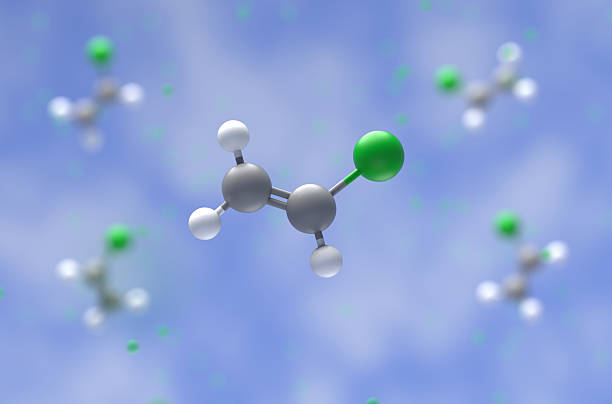
Methane, on the other hand, burns cleaner. Liquid methane (LCH4) mixed with liquid oxygen (LOX) produces almost no soot. Exhaust from a methane engine is mostly water vapor and carbon dioxide, with a bit of unburned hydrogen. That means the engine stays cleaner flight after flight. For a rocket designed to land, refuel, and fly again within hours—like Starship or New Glenn—that cleanliness is a game changer. You don’t have to tear down the engine every few missions to scrub carbon out of the chamber. Methane also has a higher specific impulse than RP-1 in engine cycles that can take advantage of its properties. Specific impulse is basically fuel efficiency in rocket terms. The higher it is, the more payload you can throw for the same amount of propellant.
But methane isn’t all upside. It’s less dense than kerosene, which means you need bigger tanks to hold the same mass of fuel. That adds structural weight and requires a longer, heavier vehicle. Methane also has to be kept at cryogenic temperatures, around -260 degrees Fahrenheit, which is colder than liquid oxygen itself. That complicates tank insulation, fueling operations, and storage. You can’t just wheel up a tanker truck like you would with RP-1. The infrastructure is more expensive and harder to maintain. And while methane is cheap on Earth—it’s the main component of natural gas—it has to be liquefied and kept cold, which adds cost and energy.
The real kicker, the reason methane is winning for next-generation heavy-lift vehicles, is in-orbit refueling and Mars. Kerosene cannot be easily produced on Mars. The Martian atmosphere is 95 percent carbon dioxide, and with some electrolysis and a little hydrogen, you can make methane and oxygen using the Sabatier reaction. That means a Starship could land on Mars, produce its own return fuel from local resources, and fly home. You can’t do that with RP-1. You’d have to ship kerosene from Earth, which is a nonstarter for any serious colonization plan. Methane is the fuel that enables a sustainable interplanetary transportation system.
There’s also the matter of engine wear and reusability. SpaceX’s Raptor engine, which burns methane, is designed for fifty or more flights without major maintenance. The Merlin engine, by contrast, sees significant wear every flight due to coke buildup from kerosene. For Blue Origin’s BE-4 engine, which also burns methane, the design goal is the same: run it hundreds of times with minimal refurbishment. That durability is what makes cheap access to space possible. If you have to rebuild an engine after ten flights, your cost per flight stays high. If you can run it a hundred times, the economics change completely.
That said, kerosene isn’t dead. For small launchers, upper stage engines, and expendable missions, RP-1 still makes sense. It’s easier to handle, proven over decades, and available everywhere. Rocket Lab’s Electron uses RP-1 for its Rutherford engines. Even SpaceX uses RP-1 on Falcon 9 and Falcon Heavy. But look at where the big money is going. Starship, New Glenn, and even China’s Long March 9 are all methane-fueled. The industry has voted with its engineering teams and its billion-dollar budgets.
For an American guy in his twenties who wants to see boots on Mars before he turns forty, methane is the fuel that makes that timeline plausible. It’s the fuel that allows rapid reuse, in-space refueling, and in-situ resource utilization. Kerosene got us to the Moon. Methane will take us to Mars. Choose your fuel accordingly.
Space News
Latest Articles
New rockets, upcoming launches, and the stories shaping humanity's push off this planet. No astronomy degree required.