Does a five-minute hop count as astronaut

The answer depends on who you ask, but for the sake of clarity, let’s look at the facts without nostalgia. The United States has historically awarded astronaut wings to anyone who flies above 50 miles, or roughly 80 kilometers. That’s the altitude used by the U.S. military for decades. Blue Origin’s capsule hits about 107 kilometers. So by the American definition, yes, every passenger who straps in and crosses that 50-mile threshold qualifies. Virgin Galactic’s Unity flights don’t reach the Kármán line but do crest 80 kilometers, which still earns them FAA commercial astronaut wings. So the technical answer is yes. A five-minute hop counts.
But technicalities don’t settle the gut feeling many people have. There is a difference between strapping into a pre-programmed capsule that flies itself and spending months training for orbital mechanics, spacewalks, or docking procedures. That difference is where the real friction lives. The term “astronaut” has always carried a weight of endurance, risk, and skill. The Mercury Seven trained for years. They rode rockets that exploded at an alarming rate. They accepted danger in ways that a tourist buying a $450,000 ticket never will. To lump them together under the same label feels disrespectful to the history of human spaceflight.
However, commercial spaceflight is not about respecting history. It is about making space accessible. The whole point of companies like SpaceX, Blue Origin, and Virgin Galactic is to democratize access to the cosmos. That means lowering the bar. If you have to be a test pilot with a titanium bladder and a PhD in astrophysics to call yourself an astronaut, then space remains the exclusive playground of a handful of government employees. That is the opposite of the future everyone claims to want.
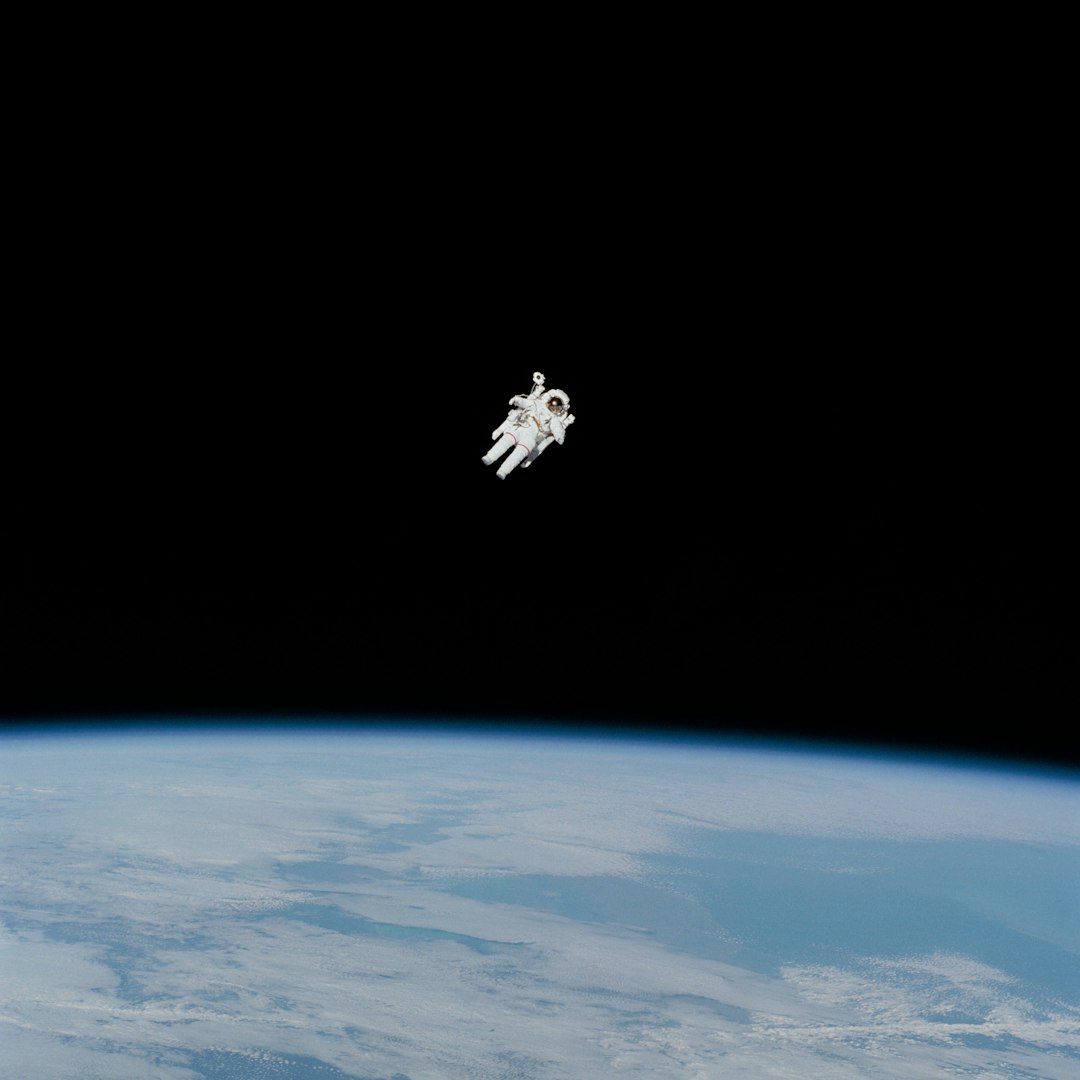
Let’s be honest about what a five-minute hop actually tests. You survive the G-forces of launch, you float for a few minutes in microgravity, you see the curvature of the Earth against the blackness of space, and you come back down. That experience is not orbital flight. You do not reach the velocity needed to stay in orbit. You do not have to deal with re-entry plasma or prolonged radiation exposure. It is a suborbital joyride, and calling it anything more is marketing. But it is still a ride into space. No one who has been up there denies that the view changes you. The overview effect is real, even when it only lasts four minutes.
The real debate here is about gatekeeping. Who gets to define the word? If you ask NASA, an astronaut is someone who has been selected to fly on a NASA mission. That excludes all commercial passengers. If you ask the FAA, an astronaut is anyone who flies above 50 miles on an FAA-licensed vehicle. That includes almost every commercial passenger so far. Neither definition is wrong. They just serve different purposes.
For the guy in his twenties reading this on SpacePilgrim.com, the question matters because it reflects how you see yourself in this new era. If you are someone who wants to collect a piece of the future, then a suborbital hop absolutely counts as a milestone. You have been to space. You have a story that only a few thousand humans will ever tell. No one can take that away from you. But if you are someone who respects the grit of orbital mechanics and the decades of effort that made spaceflight possible, you might feel differently. You might see that hop as a footnote rather than a chapter.
The honest answer is that the word “astronaut” is evolving. It used to mean a specific kind of professional. Now it means anyone who leaves the atmosphere. That is not a degradation. It is an expansion. In the same way that “pilot” once meant a military aviator and now includes anyone with a private license, “astronaut” will eventually lose its exclusivity. The threshold will not be how high you go or how long you stay. It will simply be that you went.
So does a five-minute hop count? Yes, it counts. It counts as a human being standing on the thin edge of our world and looking out. It counts as proof that the barrier is lower than ever. And for anyone reading this who wants to make that hop themselves, it counts as a goal worth saving for. The era of the commercial astronaut is not about redefining the word. It is about making the word irrelevant. You either go to space, or you don’t. The duration is just details.
Space News
Latest Articles
New rockets, upcoming launches, and the stories shaping humanity's push off this planet. No astronomy degree required.