Frank Borman the commander who hated flying
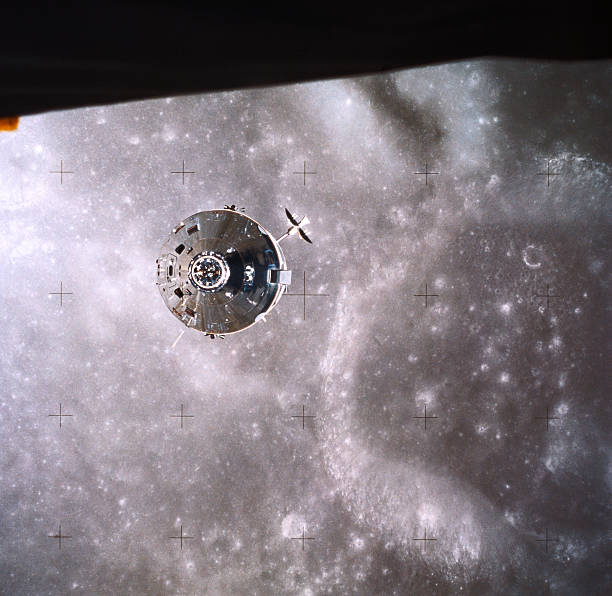
Borman was a fighter pilot and test pilot before NASA tapped him for the Gemini program. He logged thousands of hours in high-performance jets, but he did not enjoy the sensation of flight. He found it uncomfortable, stressful, and physically draining. What drove him was not a love of the sky but a cold, calculated understanding that flying was the only way to serve his country during the Cold War. He was a pragmatist, not a dreamer. When he took command of Apollo 8, the first mission to send humans beyond low Earth orbit, he did not see a poetic journey to the heavens. He saw a risky, politically motivated assignment that had to succeed because the United States was losing the space race to the Soviet Union.
The story of Apollo 8 is often remembered for the iconic Earthrise photograph and the crew reading from the Book of Genesis on Christmas Eve. But Borman later admitted that those moments were staged for public consumption. He did not feel awe when he saw the Earth rising over the lunar horizon; he felt relief that the spacecraft was still working. He worried about the navigation, the fuel, the radiation, and the fact that if any single system failed, he and his crewmates—Jim Lovell and Bill Anders—would drift past the Moon into deep space with no hope of rescue. That is not the stuff of poetry. That is the cold reality of leadership under pressure.
Borman’s distaste for flying extended beyond the cockpit. After NASA, he became the CEO of Eastern Air Lines, a job he took not because he loved aviation but because it was a logical next step for a man who understood systems, risk, and command. At Eastern, he fought unions, cut costs, and tried to keep a failing airline alive. He did not charm the public or court the press. He did his job, and when he was done, he walked away. That is the kind of human story that gets lost in the Apollo myth machine, where every astronaut is a fearless adventurer with a starry-eyed love of the cosmos. Borman was not that. He was a man who did something extraordinary despite not liking the primary tool required to achieve it.
If you are a young American man in your twenties today, Borman’s story should resonate. We live in a culture that constantly tells you to find your passion, follow your dreams, and love what you do. Borman is a corrective to that advice. He did not love his work in any emotional sense. He respected it, feared it, and executed it with discipline. He volunteered for Apollo 8 knowing that the mission had a high probability of failure, and he did so not because he wanted to be a hero but because he understood that sometimes you have to do unpleasant things for larger reasons. That is a human truth that applies far beyond spaceflight.
Borman died in November 2023 at the age of 95. He lived long enough to see the Apollo legacy become a commercial commodity, with billionaires launching rockets and tourists paying for zero-gravity flights. He did not approve. He believed that space exploration should serve national interests, not private egos. He was a hard man, not a popular one, and that made him essential. The Apollo program needed commanders who could keep their heads when the navigation failed or the fuel ran low. It needed men who did not get distracted by the beauty of the void because they were too busy solving the next problem.
So when you read about Apollo 8 this year or next, remember Frank Borman. He did not love flying. He did not love space. But he loved his country and his crew, and he did the job anyway. That is the kind of human being the space program was built on, and the kind of human being we should remember when we imagine the future of space travel.
Space News
Latest Articles
New rockets, upcoming launches, and the stories shaping humanity's push off this planet. No astronomy degree required.