The cold that cancels nothing in winter
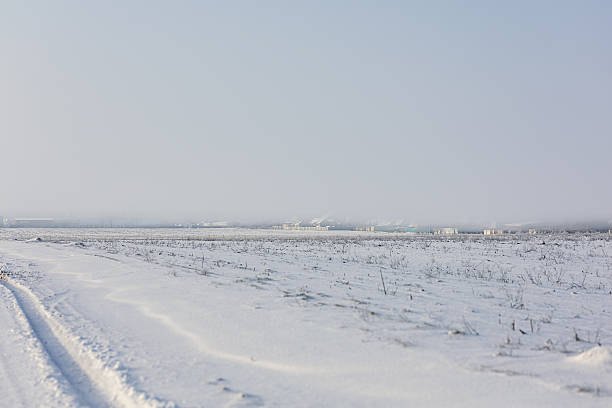
Let’s get one thing straight: Baikonur is not a place you go for comfort. It sits in the middle of the steppe, a vast grassland that turns into a frozen hellscape in winter. The nearest city of any real size is Kyzylorda, about 200 miles away, and that’s not saying much. The cosmodrome itself is scattered across dozens of launch pads, assembly buildings, and support facilities that look like they were dropped into the middle of nowhere by accident. The climate is dry, cold, and unforgiving. Snow drifts can bury roads overnight. The wind chill can make a simple walk to the launch pad feel like a survival test. But the Russians and their Kazakh partners have been launching from here since the 1950s, and they learned early that cold doesn’t stop a Soyuz. It just makes the engineers work harder.
The key to Baikonur’s winter resilience is the rocket itself. The Soyuz is a design from the 1960s, and it was built to be simple, rugged, and reliable. Its engines use kerosene and liquid oxygen, which stay stable even in extreme cold as long as the tanks are properly insulated and purged. The launch complex at Baikonur includes heated hangars and pre-launch shelters that keep the rocket warm right up until the last minutes before liftoff. The crew—those three cosmonauts or astronauts heading to the station—are bused out to the pad in insulated vehicles, then loaded into the capsule through a side hatch. The whole process is choreographed to the point of boredom. No delays for frost. No cancellations for wind. The only thing that stops a Soyuz launch from Baikonur is a genuine technical failure, and even that is rare.
This matters because Baikonur is not just another launch site. It’s a geopolitical hinge. After the Space Shuttle retired in 2011, the only way to get humans to the ISS was via Soyuz from Baikonur. For almost a decade, Russian rockets were the sole taxi for American, European, Japanese, and Canadian astronauts. That meant every winter launch—and there were many—had to happen on schedule, in the cold, on the steppe. NASA paid hundreds of millions of dollars per seat for those rides. There was no backup. So when you see footage of a Soyuz roaring up from a snow-covered pad, with ice crystals flying off the rocket skin, you’re watching a logistical miracle that we took for granted.
Baikonur’s launch sites aren’t just one pad. There are dozens, each with a specific purpose. Pad 1/5, also called Gagarin’s Start, is where Yuri Gagarin launched in 1961. That pad is still active. Pad 31/6 handles most crewed Soyuz flights today. There are pads for Proton rockets, Zenit rockets, and even the old N-1 moon rocket that never worked. But the winter cold doesn’t treat them all equally. Some pads have better shelter, better heating, better access roads. The ones that handle crew always get priority for maintenance, because a frozen valve or a stuck umbilical can kill a launch window and strand astronauts on the ground for days. In winter, that’s not just an inconvenience. It’s a risk of frostbite for ground crews and a delay that dominoes through the entire ISS schedule.
You might think that with SpaceX’s Crew Dragon and Boeing’s Starliner now operational, Baikonur’s value has dropped. It hasn’t. The cosmodrome still launches the bulk of Russia’s military and commercial satellites. It’s the only place to launch Soyuz rockets that deliver cargo to the ISS via the Progress spacecraft. And with tensions between Russia and the West, Baikonur remains a symbol that spaceflight doesn’t care about politics as much as it cares about physics. The cold doesn’t cancel the need for supplies. The cold doesn’t cancel the orbital mechanics that demand a launch window. So the crews show up in insulated suits, the heaters run full blast, and the rocket goes up.
For the casual space enthusiast, Baikonur represents something that’s easy to overlook: reliability in the face of misery. Most of us will never stand on the steppe in January, feeling that wind slice through every layer. But we should appreciate that somewhere out there, in a frozen patch of Kazakhstan, a Soyuz is being prepped for another launch. No fuss. No delays. Just the cold that cancels nothing.
Space News
Latest Articles
New rockets, upcoming launches, and the stories shaping humanity's push off this planet. No astronomy degree required.