Fred Haise Apollo 13 and the what-if
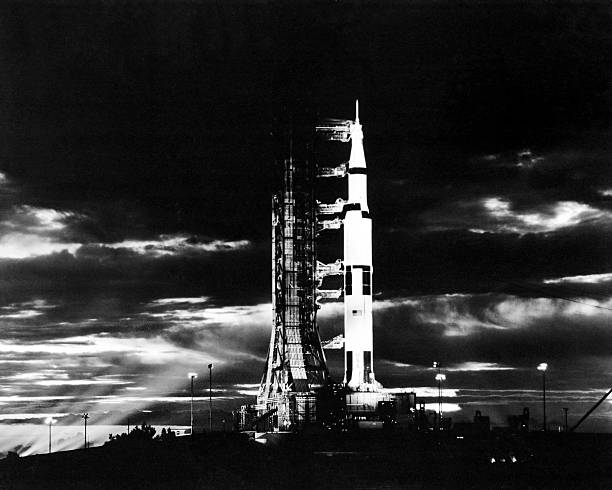
Haise was the lunar module pilot. If things had gone right, he would have been the sixth man to set foot on the lunar surface, right after commander Jim Lovell. Instead, he spent four days shivering in a metal can, dehydrated, exhausted, and running on pure adrenaline. The what-if hangs over his whole career. What if that oxygen tank hadn’t blown? What if Haise had touched the Moon? He would have been a household name, a face on posters, a guy kids dressed up as for Halloween. But the universe didn’t give him that. It gave him something harder.
Here’s what most people miss about Apollo 13. The explosion didn’t just ruin a mission. It broke the command module’s life support completely. The three men had to cram into the lunar module, designed for two guys for two days. They stayed there for nearly four days. Temperatures dropped into the high 30s Fahrenheit. Water condensed on every surface. Haise developed a kidney infection from the dehydration and the cold. He had a fever of 104. He was pissing blood. And he still had to help navigate a crippled spacecraft back to Earth using manual thrusters because the main engine was dead. That’s not a heroic speech. That’s a man doing math while his body is actively failing.
The what-if that matters isn’t about the Moon landing. It’s about what Haise did after. Because that’s the real human story. He didn’t curl up in bitterness. He stayed at NASA. He flew the Space Shuttle Approach and Landing Tests, the first free flights of the Enterprise. He was supposed to command a Skylab mission, but it got canceled. He left NASA in 1979 and spent decades in aerospace, teaching, consulting, quietly running the numbers. He never got bitter. He got busy.
That’s the lesson for any guy in his twenties reading this. Life is a series of what-ifs that you don’t control. You can plan everything perfectly. You can train for years. You can be one of the best human beings to ever strap into a rocket. And a tank can still blow up. The human response isn’t about avoiding the explosion. It’s about what you do when the cabin goes dark and you’re freezing and your kidneys hurt and the whole world is watching you fail in real time.
Haise didn’t panic. He didn’t blame. He didn’t quit. He just kept working. He helped bring that capsule home with a trajectory that was so precise that the splashdown was within a mile of the recovery ship. Think about that. You lose your chance to walk on another world. You’re sick. You’re cold. You haven’t slept. And you still stick the landing.
The Apollo 13 mission is taught in engineering classes as a masterclass in systems management. But for a human being, it’s a masterclass in composure. Haise and Lovell and Swigert didn’t have time to feel sorry for themselves. They had a checklist. They had a problem. They solved it. That’s the raw, unfiltered human operating system. No motivational speaker needed. No Instagram quotes. Just work.
So when you think about the Apollo astronauts you never heard of, Fred Haise is the guy who reminds you that sometimes the best humans are the ones who didn’t get the trophy. The ones who got the kidney infection instead. The ones who sat in a freezing tin can and did the math anyway. The what-if isn’t about the Moon. It’s about the choice to keep going when the Moon is gone.
And that’s the only what-if that actually matters.
Space News
Latest Articles
New rockets, upcoming launches, and the stories shaping humanity's push off this planet. No astronomy degree required.