Gravity adaptation and the recovery recliner
The problem is simple: human bodies did not evolve for space. On Earth, gravity pulls blood downward, and your circulatory system works constantly to push it back to your brain. In orbit, that system goes haywire. Without gravity, blood redistributes upward, causing facial puffiness, nasal congestion, and a steady loss of plasma volume. Meanwhile, your spine, no longer compressed by gravity, expands. The discs between your vertebrae swell with fluid, making you taller but also far more vulnerable to herniated discs when you land. Muscles degrade fast. Bone density drops by about one percent per month. And your vestibular system—the inner ear’s balance sensor—gets confused. When you return to Earth, every step feels like you’re drunk on a moving ship.
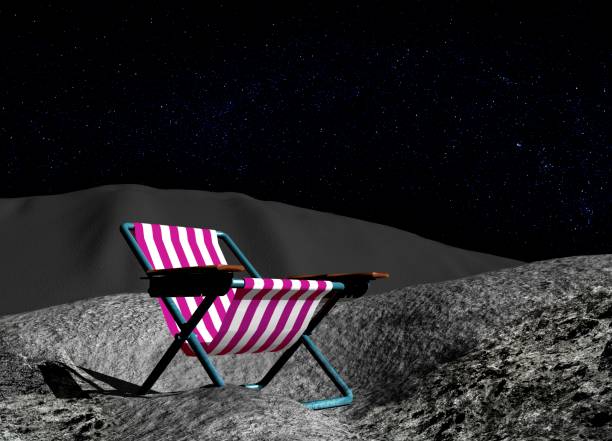
The recovery recliner addresses this head-on. It is not a comfort item. It is a medical countermeasure. Designed by aerospace engineers and sports medicine specialists, the recliner positions the astronaut in a semi-supine, head-down tilt. This angle keeps blood pooled in the upper body, mimicking the fluid distribution of microgravity. By preventing blood from rushing into the legs when the astronaut stands, it avoids orthostatic hypotension—the dizziness and fainting that plague returning crew members. It also supports the still-elongated spine, reducing the risk of disc injury during the first critical hours back on Earth.
But the recliner is only one piece of a larger kit. On a real Soyuz mission—or any future commercial landing—the “Survival Gear and Soyuz Landing Kit” includes more than a fancy chair. You get custom-fit compression garments that squeeze blood back toward the heart. You get rehydration solutions loaded with electrolytes to restore plasma volume. You get leg cuffs that inflate and deflate in sequence, acting as a mechanical pump for circulation. You get padded neck collars to stabilize the cervical spine, which is particularly vulnerable after microgravity elongation. And you get a specialized sleeping bag for the first night back, keeping you tilted while you sleep so your blood pressure stabilizes without medication.
The gear is granular because the problem is granular. For example, most people don’t realize that urine redistributes too. In space, you don’t feel the need to pee until your bladder is nearly full because fluid shifts confuse the sensors. When you land, you’re dehydrated but also carrying extra fluid in your tissues. The recovery protocol includes timed hydration and diuretics to balance that mismatch. Miss the window, and you risk kidney damage.
Why does this matter to a 20-something American guy who isn’t going to space next year? Because the survival gear for astronauts is directly evolving into the gear for civilians. Every private space tourism company—SpaceX, Blue Origin, Virgin Galactic—is adapting these protocols for paying customers. You may not train for two years like a NASA astronaut. You may get a week of prep and a three-hour flight to a space hotel. When you come back, you’ll be put in a recovery recliner. You’ll wear compression leggings. You’ll drink a specific cocktail of salts and water. And you’ll be told not to stand up for at least an hour.
If you’re the kind of person who follows gear—who reads about cold-weather layers, survival kits, and emergency rations—this is the same logic applied to the most extreme environment humans have ever faced. The recovery recliner is your sleeping bag for the desert. The compression cuffs are your high-altitude gloves. The spine support is your helmet. Gravity adaptation gear is survival gear. And the Soyuz Landing Kit, updated for commercial use, is the first survival kit for the new frontier.
So when you see a photo of a grinning space tourist being carried out of a capsule on a stretcher-chair, don’t roll your eyes. That recliner is the difference between a successful landing and a trip to the ER. It’s not glamorous. It’s not fast. But it’s the gear that brings you home.
Space News
Latest Articles
New rockets, upcoming launches, and the stories shaping humanity's push off this planet. No astronomy degree required.