New Zealand becoming a space nation
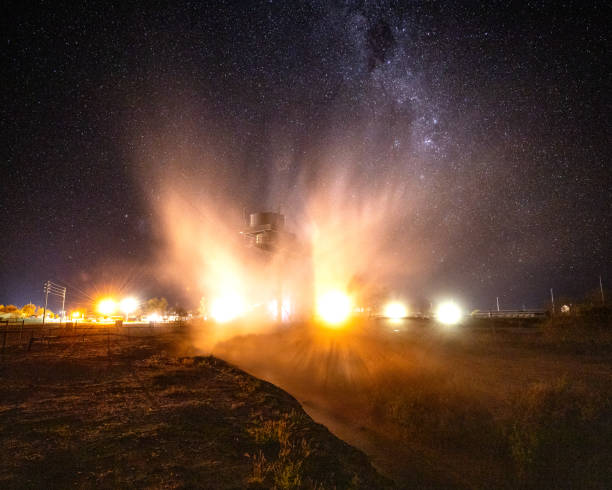
Rocket Lab’s New Zealand playground isn’t just a cool backdrop for launch livestreams. It’s a purpose-built, privately-owned orbital launch site that does something most American launch pads can’t do anymore: it launches frequently, cheaply, and with minimal red tape. For American men in their 20s who grew up on shuttle launches and SpaceX landings, this shift represents something real. The future of small satellite access is being built on a remote beach in the South Pacific.
The main reason New Zealand works is geography. The Mahia Launch Complex sits on the east coast of the North Island, right on the ocean. That means rockets can launch over open water without risking populated areas. No overflight of cities, no complicated airspace closures over major airports. You just point east and fire. For small orbital rockets like Rocket Lab’s Electron, that direct access to a wide range of orbital inclinations is a gold mine. Low Earth orbit, sun-synchronous orbits for Earth observation, even deep space transits for NASA missions—all of it is reachable from this single pad.
But geography is only half the story. The regulatory environment in New Zealand is deliberately designed to be fast and flexible. While the FAA in the United States has gotten better at certifying commercial launches, the process can still take months and run into six-figure costs for paperwork alone. New Zealand’s space agency, set up in 2017, streamlined orbital launch licensing specifically to attract companies like Rocket Lab. The result is a launch license that takes weeks, not months. When you’re trying to launch a dozen small satellites for a defense customer or a weather monitoring firm, that speed is the difference between a revenue-generating mission and a stranded payload.
Rocket Lab’s facility isn’t just a concrete pad with a fueling station. It’s a fully integrated manufacturing and launch site. The company builds its Electron rockets and their unique Rutherford engines just a few hours away in Auckland. Then they truck the stages down to Mahia and stack them in a dedicated hangar. This vertical integration means Rocket Lab controls the entire production and launch chain. No waiting on third-party suppliers to deliver a motor or a valve. If a satellite customer needs a ride to orbit in three months, Rocket Lab can often make that happen from New Zealand without the overhead of Cape Canaveral or Vandenberg.
For American space enthusiasts, this should matter because it pushes the entire industry forward. The old model of space launch was government-dominated, expensive, and slow. One launch every few months, costing hundreds of millions of dollars, carrying a single massive satellite. That model is dead. The new model is rideshare, small sats, and constellations launched weekly. New Zealand, with its clear skies, uncluttered airspace, and pro-business attitude, is where that model is being proven. When you watch a Rocket Lab livestream from Mahia, you’re watching the template for where the entire small launch industry is heading.
There are downsides. Weather can be a problem. The Mahia Peninsula gets its share of storms and high winds, which can scrub launches just like Florida or California. And the remote location means that ground transportation for payloads is limited. If you’re shipping a sensitive satellite from the U.S. or Europe, you’re looking at air freight to Auckland, then a truck down to a rural beach. That adds time and cost compared to launching from the States. But for many small satellite operators, the trade is worth it. Faster licensing, lower launch costs, and a reliable ride to orbit outweigh the logistics headache.
Rocket Lab has also started work on a second launch site in Virginia, called Launch Complex 2, to serve U.S. government customers who demand domestic launches. That’s smart business. But the New Zealand playground remains the core of their operation. It’s where they’ve proven the Electron rocket, where they’ve recovered boosters from the ocean in preparation for reuse, and where they’ll test their new larger rocket, Neutron, in the coming years.
For American men in their 20s who care about where space is going, the New Zealand launch site is a symbol. It shows that space isn’t about flags and government budgets anymore. It’s about small teams building efficient hardware on a beach and launching it before the competition even finishes their environmental review. That’s the future. And it’s happening in New Zealand.
Space News
Latest Articles
New rockets, upcoming launches, and the stories shaping humanity's push off this planet. No astronomy degree required.