Cold weather gear and the Kazakh steppe winter
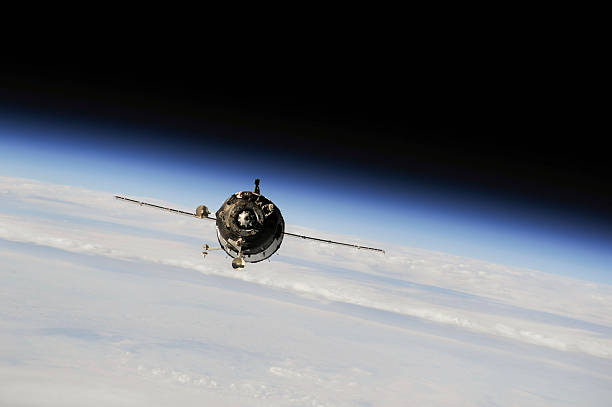
First, understand the environment. The Kazakh steppe is flat, windswept, and merciless. Winter temperatures regularly drop to -30°C (-22°F) and can sink to -45°C (-49°F) with wind chill. There are no trees, no shelter, and rescue helicopters can be delayed by blizzards. The ground is frozen rock-hard permafrost covered in drifting snow that obscures landmarks. This isn’t a ski resort; it’s a high-altitude desert with nothing between you and the Siberian wind but the fabric on your back. The Russian Space Agency and NASA have spent decades refining the survival gear packed into every Soyuz capsule. That kit isn’t luxury—it’s a cold-weather lifeline engineered for one purpose: keeping you alive until the recovery team arrives, which can take hours.
The core of the Soyuz landing kit is the outer shell. Look at the actual suits cosmonauts wear on descent. They use a multi-layer system: a cotton or synthetic base layer for moisture wicking, a mid-layer of wool or fleece for insulation, and a heavily insulated outer parka that’s windproof and waterproof. The outer shell is typically made from a treated nylon or polyester blend with a DWR coating. It’s not flashy. It’s not stylish. It’s designed to block wind penetration completely. In the steppe, wind is your real enemy. A 30 mph wind at -20°F can strip heat from exposed skin in minutes. The parka in the Soyuz kit has a high collar, a fur-trimmed hood that seals around the face, and long cuffs that close over gloves. It’s built for static survival, not active hiking. You don’t want to generate sweat, because sweat freezes.
Next, the trousers. Forget blue jeans. Jeans are death on the steppe because cotton soaks up moisture and loses all insulating value when wet. The Soyuz kit includes insulated bib-style pants with a waterproof outer layer. They’re full-length, with adjustable suspenders and ankle closures that seal over boots. The insulation is synthetic—usually Primaloft or a similar continuous-filament material that retains warmth even if it gets damp. These pants are baggy enough to allow layering underneath, but not so baggy that they flap in the wind. They also have reinforced knees and seat, because you will be sitting on snow or frozen ground while waiting for the helo.
Footwear matters more than almost anything else. The Soyuz landing boots are not your standard tactical boot. They are vapor-barrier boots with removable felt liners, similar to what the Soviet military used in Afghanistan. The outer shell is rubberized or leather, waterproof and insulated. The liner is thick, dense wool felt. This system creates a dead-air space that keeps feet warm even when standing on snow for hours. You need at least two layers of socks: a thin silk or synthetic liner, then a heavy wool sock. Never cotton. The boots have a rugged sole for grip on ice, but they’re not designed for long hikes. They’re designed for static warmth. If you’re building your own cold-weather kit for a similar environment, spend your money here. Cold feet lead to panic, and panic leads to mistakes.
Hand protection is a two-glove system. The Soyuz kit includes a thin liner glove for dexterity—adjusting straps, firing a flare, operating a radio—and a thick, insulated overmitt. The overmitt is a mitten, not a glove, because mittens keep fingers together to share heat. The outer shell is windproof and has a long gauntlet that tucks under the parka sleeve. The liner is usually wool or fleece. If you take off the overmitt to do fine work, your hands will get cold fast. That’s why the liner exists. Do not skip the liner.
Head and face protection is non-negotiable. The parka hood with fur ruff is standard, but most Soyuz kits also include a balaclava or a wool scarf that can be wrapped around the nose and mouth. The fur ruff isn’t decoration. It breaks the wind and reduces frostbite to the cheeks and nose. A good balaclava covers the neck, chin, and forehead. A watch cap under the hood adds another layer. The biggest mistake beginners make is leaving the face exposed. In those temperatures, exposed skin can get frostnip in under five minutes. After that, you’re dealing with real tissue damage.
Finally, the kit includes a sleeping bag or bivvy. The standard Soyuz survival bag is a heavy, thick synthetic sleeping bag rated to at least -40°C. It’s not lightweight. It’s not packable. It’s a bulk item that sits in the capsule ready for deployment. If rescue is delayed, you get in the bag, zip it to your nose, and wait. Some kits also include a vapor barrier liner that adds another 10-15 degrees of warmth. The bag is stored in a waterproof compression sack. If you’re assembling your own gear for a similar environment, a -40°C rated synthetic bag with a waterproof bivvy sack is the minimum.
The takeaway is simple. The Kazakh steppe in winter is a serious survival scenario. The gear in the Soyuz landing kit is not overkill; it’s the baseline needed to keep a human alive for six to eight hours in extreme cold. If you’re serious about space travel and want to understand what astronauts actually face, look at the clothing, not the rocket. The rocket gets you there. The parka gets you home.
Space News
Latest Articles
New rockets, upcoming launches, and the stories shaping humanity's push off this planet. No astronomy degree required.