McGregor engine testing and the boom
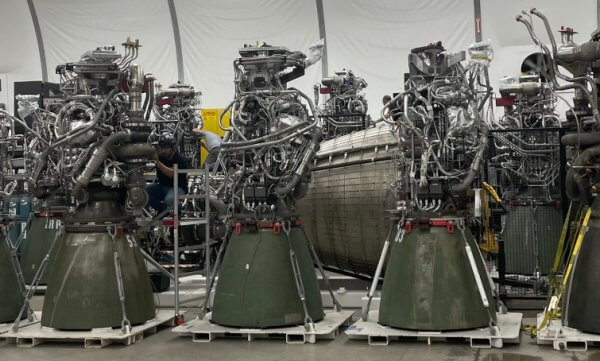
When you talk about “the boom” at McGregor, you are talking about the supersonic crack that rips across the Texas countryside every time SpaceX tests a fully assembled rocket stage. It’s not a gentle hum. It’s a pressure wave that breaks windows, rattles teeth, and sets off car alarms for miles. Local residents have filed complaints. News crews have shown up. But the real audience for that boom isn’t the neighbors. It’s the alphabet soup of federal agencies that have a stake in what SpaceX does next.
The Federal Aviation Administration is the most obvious one. Every static fire test at McGregor requires an FAA license or waiver. The agency is on the hook for public safety. When that Raptor lights up and the shockwave hits, the FAA wants to know the acoustic footprint matches the paperwork. They monitor blast overpressure, structural vibrations, and flight termination system checks. If McGregor’s boom ever exceeds the limits of what the FAA approved, licenses get pulled, and schedules slip. SpaceX knows this. So those tests are surgical. They are loud by design, but loud inside a box the FAA drew.
Then you have the Texas Commission on Environmental Quality, which handles air permits. Rocket engines burn methane and oxygen. That sounds clean, but a full-duration Raptor test dumps thousands of gallons of exhaust into the atmosphere in seconds. The TCEQ wants to know what’s in that plume. So does the Environmental Protection Agency. The boom itself isn’t an environmental hazard, but the combustion byproducts are. SpaceX has to show that McGregor isn’t turning the local groundwater into something the EPA flags. That means emission sensors, sampling stations, and endless reporting.
The Department of Defense pays attention too. McGregor isn’t just a civilian test site. SpaceX holds contracts with the Space Force and the National Reconnaissance Office. The NRO launches satellites that cost billions and require absolutely no engine surprises. So when a Raptor shakes its stand at McGregor, DOD observers watch telemetry in real time. They are looking for combustion instability, chamber pressure anomalies, and any vibration mode that could kill a taxpayer-funded payload. The boom tells them whether that engine is ready for national security missions or whether it needs a redesign.
Then there is NASA. The agency that hates risk more than any other. The Artemis program depends on Starship HLS, the lunar lander variant. That lander will carry astronauts down to the Moon. NASA engineers sit at McGregor too. They watch those static fires with a specific grimace. They have seen engines fail before. The boom that roars across the Texas plains is the only proof they get that a Raptor can survive a full mission duty cycle without cracking a turbine blade. NASA does not approve launch vehicles based on PowerPoint slides. They approve them based on data from stands like the ones at McGregor.
The Federal Communications Commission doesn’t care about the sound. But they care about what the engine powers. Starlink satellites get launched by these engines. The FCC licenses the frequencies Starlink uses. If a Raptor fails during a Starlink deployment, the FCC gets blamed for spectrum interference from debris. So the FCC quietly checks that McGregor tests are thorough enough to minimize in-flight failures that could create orbital junk.
Finally, there are local and state law enforcement agencies that manage the boom’s impact on the community. McLennan County sheriff’s office responds to noise complaints. Fire departments run drills near the facility. Emergency management coordinates with SpaceX on every major test because a propellant explosion at McGregor would be a hazmat event that no rural volunteer department is equipped to handle alone.
The boom at McGregor is not just brute force. It is a compliance report that blasts across the Texas sky. Every agency that touches spaceflight, from land use to national security, checks that report. For casual fans, the boom is a thrill. For the people who sign permits and approve contracts, it is the only sound that matters. SpaceX changed what a private company can do with rockets. But the agencies made sure that change came with paperwork. And that paperwork starts every time a Raptor lights up in the middle of a cow field.
Space News
Latest Articles
New rockets, upcoming launches, and the stories shaping humanity's push off this planet. No astronomy degree required.