Soviet nostalgia versus modern reality
The Soviet Union treated space as a weapon and a propaganda tool. Money was no object. When the US landed on the Moon, the USSR didn’t give up—it just redirected its resources toward space stations, heavy-lift rockets, and long-duration missions. The result was the Mir space station, a technical marvel that hosted cosmonauts and astronauts for 15 years, and the Soyuz spacecraft, a workhorse that has flown more than 1,700 missions since 1967. That Soyuz design is still in use today, and that’s part of the problem. It’s like driving a 1967 Mustang that’s been patched with duct tape and prayers—it gets you there, but you’re not winning any races. Roscosmos today survives largely on the reputation of that Soviet-era reliability. But modern reality demands more than being the cheapest ride to the International Space Station. When SpaceX started launching astronauts in 2020, Roscosmos lost its monopoly on crew transport. Since then, its share of the global launch market has cratered, replaced by reusable rockets and competitive pricing the Russians can’t match.
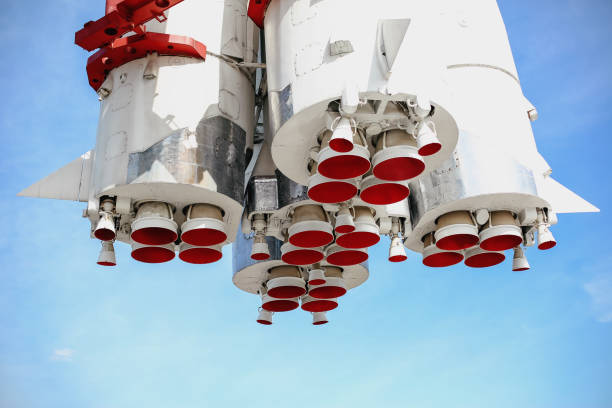
Look at the hardware. The Proton rocket, once the workhorse of Russian heavy launches, has a failure rate that makes any cargo insurer sweat. The Angara rocket, touted as a modern replacement, has been in development for over two decades with only a handful of test flights. Meanwhile, the Soyuz-2, Russia’s current mainstay, is essentially a 1960s design with digital tweaks. Compare that to SpaceX’s Falcon 9, which lands itself on a drone ship and flies again ten days later. The gap in engineering philosophy is brutal: the Soviets built for brute force and redundancy, with a culture of “if it ain’t broke, don’t fix it.” The modern space industry builds for reusability, cost reduction, and iterative improvement. Roscosmos has tried to copy that—they announced a reusable rocket called the Amur, but it’s still a PowerPoint slide. In the real world, they’re burning through budget and talent. Russia’s best aerospace engineers now work for the US or Europe, or they left the industry entirely. That brain drain is a slow death for any agency.
Then there’s the corruption factor. Soviet space was brutal but functional—if you failed, you went to a gulag. Modern Roscosmos has been plagued by embezzlement scandals, missing budgets, and leadership changes that happen faster than rocket launches. In 2022, the former head of Roscosmos, Dmitry Rogozin, was replaced after publicly feuding with Elon Musk and overseeing a string of embarrassing failures, including a Nauka module that nearly crashed into the ISS. The new boss, Yuri Borisov, hasn’t turned things around. Russia’s space budget is shrinking, and its international partnerships are collapsing under geopolitical strain. The European Space Agency cut ties after the invasion of Ukraine, pulling European payloads from Russian rockets. Roscosmos now has to depend on domestic demand and a few friendly nations like China and Iran. That’s not a strategy for greatness. That’s survival mode.
The nostalgia factor is real, and Roscosmos leans into it hard. Their media still trots out Gagarin’s face, calls their cosmonauts “heroes,” and talks about “Russian space tradition” as if it’s a birthright. But tradition doesn’t launch payloads. American men in their 20s may romanticize the Cold War space race, but they also watch Starship tests and Starlink launches. They know that the future is reusable, commercial, and competitive. The Soviet space program was a state-run miracle born of a command economy. Modern Russia doesn’t have that command economy anymore, and it doesn’t have the cash to fake it. Roscosmos is a museum piece that happens to still have rockets. It’s a cautionary tale: even the greatest legacy can collapse if you don’t innovate, if you don’t adapt, and if you let nostalgia replace reality. The Russian space agency is a symbol of decline from glory, and unless something radical changes, it will keep falling while others fly.
Space News
Latest Articles
New rockets, upcoming launches, and the stories shaping humanity's push off this planet. No astronomy degree required.