Space Fence tracking orbital debris
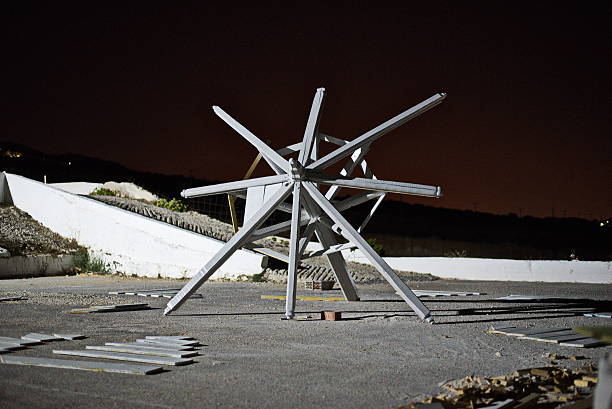
The Space Fence is not a literal fence. It’s a network of ground-based radars, primarily located on the Kwajalein Atoll in the Marshall Islands, operated by the Space Force’s Space Delta 2. These radars shoot a fan-shaped beam of energy into low Earth orbit. When something—a working satellite, a dead Russian rocket stage, or a chip of insulation—passes through that beam, the radar detects it. The system then calculates the object’s position, velocity, and trajectory with precision that makes old radar systems look like toy telescopes. The Space Fence can spot objects as small as a marble. That matters because a marble-sized piece of aluminum hitting a $500 million satellite at orbital velocity carries the kinetic energy of a hand grenade.
Why does a warfighting agency need to track a marble? Because the space domain is not a peaceful science lab. It’s a contested environment. The Space Force’s official mission is to protect U.S. and allied assets in orbit and to deny adversaries the ability to do the same. That means you cannot separate “tracking debris” from “tracking threats.” A defunct Chinese weather satellite that broke apart in 2007 created thousands of debris pieces. That debris is now a hazard. But so is a Russian satellite that maneuvers unpredictably. The Space Fence cannot tell you whether a piece of junk is a legitimate piece of junk or a host nation’s test of a space weapon. It just tells you it’s there. Then the analysts at the Space Force’s Combined Space Operations Center take over.
The practical result for the average 20-something American is this: your smartphone, your Uber Eats order, your ATM transaction, and your Netflix stream all depend on satellites. GPS satellites, communications satellites, weather satellites. When a piece of debris threatens a critical satellite, the Space Force either warns the satellite operator to move—burning precious fuel to dodge—or, if the debris is too fast or too late, watches the satellite get destroyed. In 2009, an Iridium communications satellite and a dead Russian Cosmos satellite collided. That wasn’t a war. It was a traffic accident caused by untracked debris. The Space Fence is designed to make those accidents far less likely. It detects the small stuff that older radars missed, giving operators more time to move.
But there’s a darker angle. The Space Fence is also a military sensor. It doesn’t care if an object is friendly or enemy. It sees everything. That includes satellites from China, Russia, and North Korea. In a conflict, the Space Force would use this data to understand the battlespace. If an enemy tries to hide a new satellite among debris, the Space Fence sees the pattern. If an adversary tries to jam communications, the fence still sees the physical object. This is why the Space Force calls space a “warfighting domain.” It’s not just about dodging debris. It’s about maintaining domain awareness—knowing what’s up there, who put it there, and what it’s doing.
Critics will say the Space Force is militarizing space. That’s a dumb take. Space is already militarized. Every satellite is a potential target. Every rocket launch is a dual-use technology. The Space Fence is a defensive tool, not an offensive weapon. It protects billions of dollars in infrastructure that Americans rely on every minute. Without it, we’d be flying blind, trusting that no one else is hiding junk in the dark.
The Space Fence doesn’t clean up the junk. It just watches it. That might sound passive, but in a domain where a one-inch object can shatter a billion-dollar satellite, watching is the most aggressive thing you can do. The Space Force is building more of these fences. They’re upgrading radar sites in Australia and the UK. The goal is global coverage—no blind spots. Because in space, the biggest threat is what you don’t see.
Space News
Latest Articles
New rockets, upcoming launches, and the stories shaping humanity's push off this planet. No astronomy degree required.