Wildlife refuge shared with launch pads
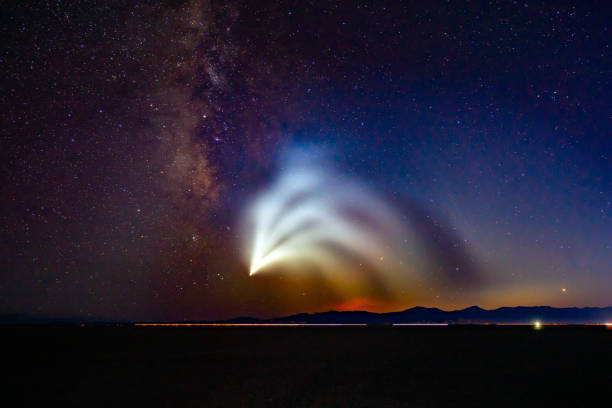
The Merritt Island National Wildlife Refuge surrounds the Kennedy Space Center and Cape Canaveral Space Force Station. That’s roughly 140,000 acres of marshes, dunes, and scrub habitat that sit right next to launch pads 39A and 39B, SLC-40, and SLC-41. When SpaceX launches a Crew Dragon, the rumble shakes the same water where manatees graze. When ULA sends up a Delta IV Heavy, the exhaust plume drifts over rookeries where herons nest. This is not a fight between conservation and rocketry. It is a necessity born from geography. The Cape is the ideal launch site for eastward trajectories over the Atlantic, but the surrounding land has been off-limits to development since the early 1960s, when NASA started buying up buffer zones. That buffer became a de facto sanctuary.
For launch operators, this means one thing: constraints. You cannot simply pave over a sea turtle nesting site to build a new landing pad. When SpaceX wanted to add a drone ship port and a landing zone at the Cape, they had to undergo the same environmental impact studies as any construction project in a sensitive area. The U.S. Fish and Wildlife Service has a say in how close launch infrastructure can sit to endangered species habitats. The result is that launch sites are not just pieces of concrete and steel. They are islands of activity in a sea of protected land. Engineers must plan for wildlife migration corridors. Technicians must pause work during alligator nesting season. This slows down development and adds paperwork, but it also keeps the Cape from becoming another overdeveloped strip of Florida coast.
The upside is that this cohabitation is stable. Because the refuge is federally protected, the Cape is unlikely to face the kind of NIMBY pressure that plagues other launch sites like Boca Chica. Nobody is going to build luxury condos next to a launch pad at Cape Canaveral. The refuge acts as a permanent buffer. That means launch schedules are more predictable. When SpaceX or Blue Origin or the Space Force want to add a new pad, they know exactly what environmental hoops they have to jump through. They are not fighting suburban sprawl or hotel developers. They are working with a federal agency that has clear rules. That clarity matters when you are trying to ramp up launch cadence to a weekly or daily tempo.
The wildlife at the Cape also serves as a useful public relations tool. Every time a rocket launches, there is a good chance a camera will catch a dolphin breaching in the background or a turtle crawling along the beach. It makes for compelling imagery. But the real value is operational. The refuge provides a natural firebreak. It keeps human encroachment at bay. It prevents light pollution from spilling into the launch complex. It preserves the low ambient light that cameras need for tracking rockets. In a weird way, the gators and the gulls are part of the launch infrastructure.
The future of this arrangement will be tested. With Starship, New Glenn, and other heavy-lift vehicles aiming for high launch rates, the Cape will need more pads, more processing facilities, and more landing zones. That means more interaction with the refuge. The Fish and Wildlife Service recently agreed to allow SpaceX to expand its landing pad near SLC-40, but only after studies confirmed it would not harm nesting birds. As launch frequency increases, expect more of these negotiations. Expect delays. Expect mitigation measures like relocation of animals or construction windows that avoid breeding seasons. If you are a space enthusiast, you should not see this as red tape. You should see it as the price of having a launch site that can operate for decades without being surrounded by strip malls.
Cape Canaveral is not just a launch site. It is a cathedral of American spaceflight, built on land that doubles as a wildlife refuge. That duality is not a bug. It is a feature. It has kept the Cape viable while other sites have been choked by development. The next time you watch a liftoff, remember that the smoke clears over a marsh where alligators bask. Both the rocket and the gator are home.
Space News
Latest Articles
New rockets, upcoming launches, and the stories shaping humanity's push off this planet. No astronomy degree required.