Space food history and the freeze-dried evolution
The problem is simple: every pound of food you send to orbit costs thousands of dollars in fuel. And if we’re talking about a trip to Mars, that bill becomes astronomical. For decades, NASA’s solution was to cram as many calories into the smallest, lightest package possible. Hygiene was a nightmare—crumbs floating into ventilation systems could short-circuit electronics. So early food was engineered to be a single, edible paste that wouldn’t leave any mess. Astronauts hated it. John Glenn famously complained that the tube-food was “not very appetizing.” But it worked.
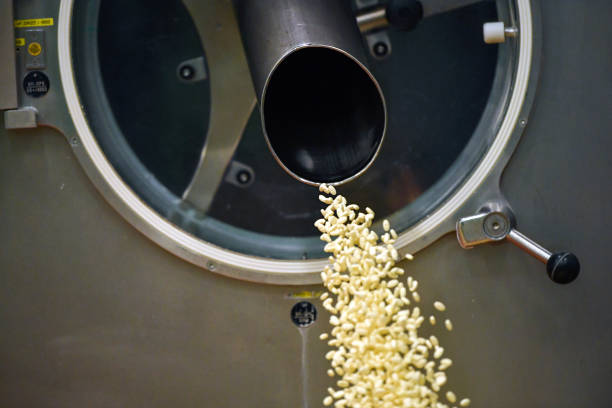
The freeze-drying breakthrough didn’t happen overnight. It was a byproduct of the Apollo program’s obsession with weight savings. The process works like this: food is flash-frozen, then placed in a vacuum chamber where the ice sublimates directly into vapor. This removes about 98 to 99 percent of the water content. You’re left with a lightweight, shelf-stable block that can be rehydrated with hot water in orbit. The first freeze-dried meals were basic—chicken stew, scrambled eggs, and that infamous ice cream that still tastes like chalky cardboard. But the technology was a game-changer. It allowed astronauts to eat recognizable foods instead of goo.
By the Shuttle era, the menu expanded drastically. Astronauts could choose from over a hundred options. You had freeze-dried shrimp cocktail, beef stroganoff, and even foil-pouched beverages. The problem was that long-duration missions revealed something unsettling: human bodies don’t process freeze-dried food the same way. After weeks in microgravity, astronauts lost appetite, lost weight, and started craving fresh, crunchy vegetables. That’s not a luxury problem. That’s a physiological crisis. Your gut bacteria change in space. Your sense of smell dulls because fluid shifts to your head. Food tastes bland, and your body starts rejecting the same rehydrated packages.
This is where the “Space Farming and the Food Problem” subsection comes into full focus. The current solution isn’t better freeze-drying. It’s growing food in orbit. In 2015, astronauts ate the first lettuce grown on the ISS from the Veggie plant growth system. It wasn’t a novelty. It was a proof-of-concept for Mars missions. The logic is brutal: you cannot pack five years of freeze-dried food for a crew of six on a trip to the red planet. The weight alone would bankrupt you. You need to grow crops that recycle water, produce oxygen, and provide calories. That means shifting from processed industrial food to living agriculture in a tin can.
The freeze-dried evolution is not dead, though. It’s merging with this new farming system. Companies like SpaceX and NASA are developing “hybrid” menus. Pre-packed freeze-dried staples handle the bulk calories. But fresh greens, herbs, and even tomatoes will be grown in aeroponic or hydroponic racks. The next step is protein. Lab-grown meat—cultured from animal cells without the cow—is being tested for microgravity production. Imagine freeze-dried taco filling that you rehydrate with water recycled from your own sweat. That’s the future.
What does this mean for you, the casual space enthusiast? It means the food problem is no longer just a logistics headache. It’s the bottleneck that determines whether we can establish a permanent base on the Moon or send humans to Mars. We’ve moved past the era of squeeze-tubes and astronaut ice cream. The current frontier is closed-loop agriculture. You’re going to see headlines about the first pepper grown in space, the first soybeans, the first batch of space-brewed beer. And behind every one of those milestones is the same question: how do you feed a crew when there’s no resupply mission coming for two years?
So next time you see a packet of astronaut ice cream in a museum gift shop, remember it’s a relic. The real story is about roots, not rations. The freeze-dryer is still humming in the lab, but it’s the plant growth chamber that’s going to get us to the red planet. And frankly, a space-grown taco sounds a hell of a lot better than tube-paste.
Space News
Latest Articles
New rockets, upcoming launches, and the stories shaping humanity's push off this planet. No astronomy degree required.