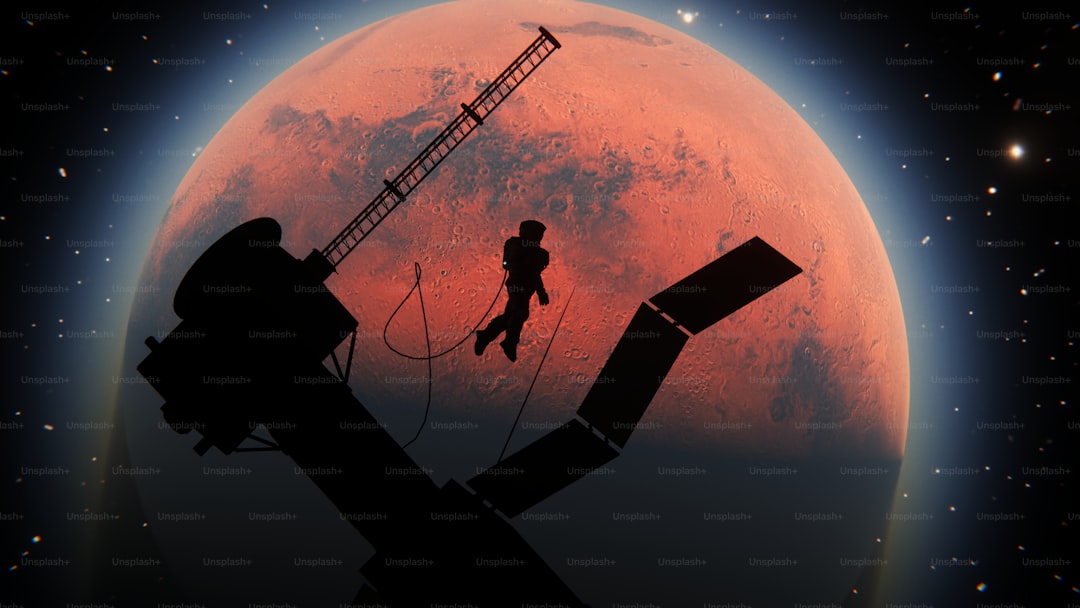
Tether hooks and the not-drifting-away guarantee

We are talking about the physical interface between a human and a space station. Every piece of equipment used outside a pressurized module has to be either attached to the astronaut or anchored to the vehicle. That sounds obvious, but the sheer number of ways a tool can escape is staggering. A wrench on a truss, a screwdriver near a thruster, a thermal blanket clip that slips—these are not failures of intention. They are failures of design. And the industry has learned this the hard way, with orbital debris from human activity now tracked by the Department of Defense as a persistent hazard.
The solution is not just a carabiner or a generic clip. The solution is a tether hook engineered to specific load tolerances, with a gate that will not open under jostling or vibration, and a locking mechanism that requires deliberate human action to release. This is gear that has been tested to failure, not just to certification. The not-drifting-away guarantee is not a marketing slogan. It is a contractual reality for anyone supplying tools to NASA, ESA, or commercial station operators like Axiom or SpaceX. If a tool leaves the worksite unsecured, the liability chain is immediate. The guarantee is that the hook will hold until you personally unhook it—and not a moment sooner.
Now, place this in the context of the EVA Toolbox. The standard orbital toolbox is not a plastic bin from a hardware store. It is a modular, lidded system with dedicated tether points for every tool slot. Each tool has a designated hook location, often color-coded or keyed to match the tether line the astronaut wears on their suit. When you reach into the toolbox, you are not grabbing a tool; you are grabbing a tethered assembly. The hook is the first point of contact. If the hook fails, the tool is no longer in the toolbox—it is a new piece of orbital debris.
The not-drifting-away guarantee extends beyond the hook itself to the entire attachment system. It includes the lanyard material (often Kevlar or Dyneema, chosen for abrasion resistance and ultraviolet stability), the swivels that prevent line twist, and the snap rings that provide secondary retention. A true orbital-grade tether hook system is designed to survive the temperature swing from -150 degrees Celsius in shadow to +120 degrees Celsius in sunlight without losing tensile strength. It is designed to be operable with thick EVA gloves, which means a tactile feedback mechanism that lets you feel the lock engage without needing to see it.
For the space enthusiast reading SpacePilgrim.com, this is not just technical trivia. It is the reality of how hardware gets handled at the frontier. Every time you see a video of an astronaut working on the International Space Station’s exterior, notice the small, deliberate movements. Watch how they attach a tool to a tether point, tug it twice, and then let go. Those two tugs are not superstition. They are a verification step—a check that the hook is seated and the gate is closed. The not-drifting-away guarantee is only as good as the last check.
In the EVA Tools and the Orbital Toolbox subsection, the dominant concern is not comfort or ergonomics. It is custody of mass. A tool that is not physically controlled becomes a hazard. The tether hook is the primary mechanism for maintaining that control. If you ever consider designing or purchasing gear for personal use in simulated microgravity training, or if you are just following the specifications used by the astronauts you admire, remember this: the hook is not an accessory. It is the anchor point for the entire operation.
The industry is moving toward more standardized tether interfaces, with NATO-style clips and integrated brake mechanisms that prevent accidental disconnection during high-torque operations. But the core principle remains unchanged since the Mercury program: if it is outside, it is attached. And the not-drifting-away guarantee is the promise that the attachment is engineered to fail only when you decide it should. In orbit, that is the only kind of guarantee that matters.
Space News
Latest Articles
New rockets, upcoming launches, and the stories shaping humanity's push off this planet. No astronomy degree required.