The chain of command in an emergency

The core myth about emergency command is that it’s about authority. It’s not. Authority is printed on a badge. Real command in a crisis is about who sees the data first, who processes it accurately, and who can override their own panic to say “we need to do this now.” In spacecraft, that person isn’t always the mission commander. It might be the engineer who noticed a pressure drop ninety seconds before anyone else. It might be the junior officer who remembered a simulator drill from two years ago. The formal chain of command exists to create order, but emergencies are inherently disorderly. The first man who speaks with clarity in a chaotic loop is the de facto commander, regardless of his collar.
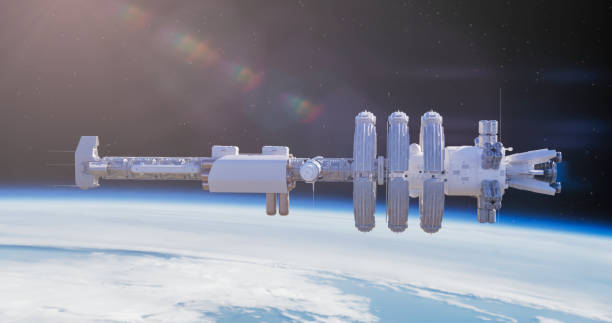
The most dangerous moment in any emergency is the transition between “I think something is wrong” and “I am now acting on that thought.” In training, that gap is milliseconds. In reality, it can stretch into minutes because humans are wired to doubt themselves when the stakes are high. You have a young crew on a commercial hab module. Something rattles. The automated panel shows nothing. The formal commander is checking his screens. The second-in-command is waiting for permission. Everyone is waiting because the chain says wait. That waiting is not procedure. That is fear dressed up as discipline. The human factor says that the man who trusts his gut and speaks up first is the one who saves the ship, even if his rank says he should shut up.
The future of space travel will not be crewed by elite astronauts fresh from fighter squadrons. It will be crewed by geologists, welders, cooks, and probably a few guys who just wanted to see Earth from above. These people will not have the command reflexes of a test pilot. They will have the command reflexes of a normal human being with a job. That means the chain of command must be built for mediocrity. It must assume that the person in charge might freeze. It must assume that the person who knows the answer might be afraid to say it. Training programs that treat emergencies as simulations of perfect performance are training for failure. Real training treats emergencies as what they are: a group of scared, smart people trying to agree on reality while the clock ticks.
There is a concept called “commander’s intent.” It means that every person in the chain understands the goal, not just their step. If the goal is “get pressure back inside the hull,” it doesn’t matter if the engineer bypasses the captain to close a valve. What matters is that the valve gets closed. In military aviation, this is baked into culture. In commercial space, it is not yet. The companies building these ships are full of engineers who think procedures solve problems. They don’t. Procedures give people a place to start. The human will always have to finish.
The title of this article sits in a section called The Commander’s Seat Mentality, and here is the truth of that seat. The commander’s seat is not a throne. It is a hot chair where you watch other people make decisions you cannot control. The best commanders in an emergency are the ones who let the chain flex instead of snapping it. They know that a junior crewman who spots a leak and yells about it is more valuable than a senior officer who calmly reports that the leak has been acknowledged. The younger man might save the ship. The older man might save the paperwork.
In the end, the chain of command in an emergency is a contract between humans. It says I will trust you to act, and you will trust me to support you. That contract breaks the moment anyone treats it like a switchboard instead of a lifeline. If you are reading this because you dream of being the guy in the seat, remember that your rank will not stop a decompression, and your title will not seal a crack. Your willingness to listen to the scared kid next to you and act on his word is what will. The future of space travel belongs to the humans who understand that the chain is only as strong as the weakest link, and that weak link is almost always our own ego.
Space News
Latest Articles
New rockets, upcoming launches, and the stories shaping humanity's push off this planet. No astronomy degree required.