STS-1 and the tile damage nobody predicted
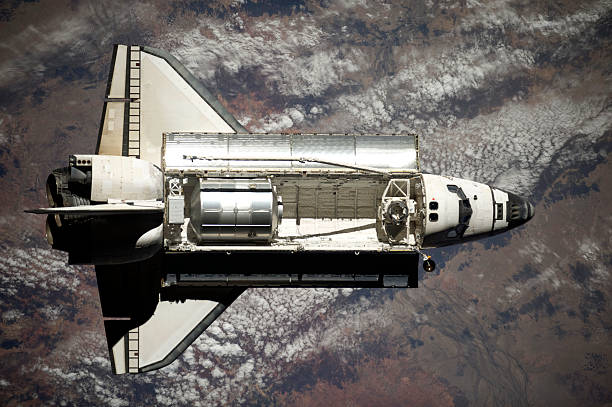
The shuttle’s thermal protection system was its Achilles’ heel from day one. Unlike Apollo capsules, which used ablative shields that burned away on purpose, the shuttle needed thousands of individual silica fiber tiles to survive the 3,000-degree heat of reentry. Each tile was hand-glued to the aluminum airframe. And during STS-1, the launch itself tore a bunch of them off.
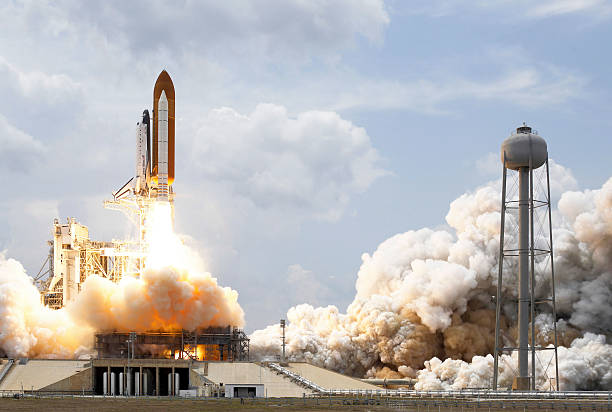
Here’s what actually happened. Two minutes into the flight, as the solid rocket boosters burned, the acoustic vibrations from the ignition shock hammered Columbia’s aft section. High-speed cameras at the Cape caught chunks of foam and ice slamming into the orbiter’s belly. By the time Young and Crippen reached orbit, ground teams had counted at least 16 missing tiles and hundreds of smaller divots. The worst damage was near the right wing’s leading edge and around the nose cap—exactly the areas that would see the most punishing heat during reentry.
For a program that billed itself as “reusable,” this was a nightmare. The engineers in Houston worked around the clock using wind tunnel data and early computer models to figure out if Columbia could make it back without burning through. They didn’t have the kind of inspection drones or high-resolution cameras that modern missions have. They had grainy footage and gut instinct. The consensus? The damage was bad, but probably survivable—assuming the underlying structure hadn’t been compromised more than they could see.
Reentry on April 14 was tense. The shuttle had no backup heat shield. If a major tile gap let hot plasma into the wing cavity, the aluminum airframe would melt like butter. The crew couldn’t do anything but ride it down. Young reportedly told mission control that the first reentry “felt like a freight train on a gravel road.” But Columbia emerged intact. Post-flight inspection revealed that the gaps had been mostly cosmetic—the surrounding tiles had taken up the thermal load. But the margin was razor-thin. Kenneth Iliff, a NASA aerodynamicist who analyzed the data, later said that a slightly different angle of attack or a few more missing tiles could have led to a breakup.
What nobody predicted was how sensitive the shuttle system was to launch debris. The tile damage on STS-1 came from ice forming on the external tank and from foam shedding off the bipod ramp—the same root cause that would kill Columbia 22 years later. After STS-1, NASA spent millions redesigning the foam application process and adding heaters to prevent ice buildup. They thought they’d solved the problem. But they never fully addressed the underlying design vulnerability: a fragile heat shield exposed to a high-speed debris environment.
For the casual space enthusiast, STS-1’s tile damage matters because it reveals the gamble behind the shuttle program. The shuttle was a compromise—a winged aircraft that had to survive launch loads, orbital vacuum, and reentry plasma in one mission. The tiles were the weak link, and the STS-1 damage was the first warning sign that the whole concept was more brittle than anyone wanted to admit. Every subsequent flight lived with that risk. When Columbia finally broke apart in 2003, it was the same pattern: foam strike, tile damage, reentry failure.
That first mission succeeded through luck and engineering grit, not because the system was safe. Young and Crippen knew they were test pilots on a test flight. But the shuttle’s legacy, for better or worse, was built on the fact that they made it home. The tile damage nobody predicted became the secret history of every shuttle flight—a reminder that reusability has a price, and sometimes that price is paid in margins you don’t even know you’re living with.
Space News
Latest Articles
New rockets, upcoming launches, and the stories shaping humanity's push off this planet. No astronomy degree required.