SpaceX landing zone and sonic booms

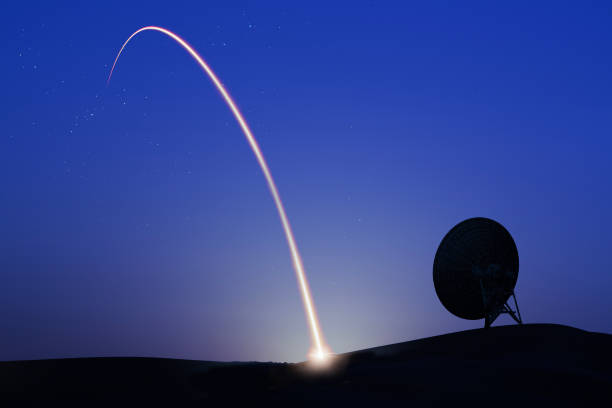
Vandenberg is unique among U.S. launch sites. It sits on the coast north of Santa Barbara, surrounded by ocean on one side and rolling hills on the other. Unlike Cape Canaveral in Florida, which launches east over the Atlantic, Vandenberg launches south over the Pacific. That trajectory is ideal for polar orbits, which is why many of the satellites heading for Sun-synchronous orbits—the kind that pass over the same spot on Earth at the same time every day—lift off from California. This particular route is sometimes called the Polar Express, and it’s a workhorse for SpaceX’s Starlink constellation, government reconnaissance missions, and scientific payloads that need global coverage.
The landing zones at Vandenberg are what make the sonic booms unavoidable. SpaceX operates a dedicated pad called Landing Zone 4, or LZ-4, which is a concrete slab about the size of a football field located just a few miles from the launch pad. When the Falcon 9 booster returns, it performs a series of burns to slow itself from hypersonic speed. During the descent, the rocket is traveling faster than the speed of sound. That creates shockwaves, which propagate through the air and reach the ground as a sharp double boom. The double pop comes from the nose and the fins of the booster almost simultaneously as they break the sound barrier at different points. It’s not dangerous at that altitude, but it’s loud. People living in Santa Barbara, Lompoc, and even as far as Ventura County have learned to expect it.
SpaceX has gotten better at predicting where those booms will hit. The company coordinates with local authorities and airspace managers to ensure the landing trajectory avoids populated areas as much as possible. But the nature of a polar launch means the booster has to fly over land on its way back. Unlike at Cape Canaveral, where the landing zone is on the coast and the booster can curve out over the ocean during its descent, Vandenberg’s geography forces the return path to come in over the base itself. That puts the sonic booms directly over land, not water. It’s a tradeoff that Vandenberg residents have accepted in exchange for a front-row seat to one of the most impressive logistical feats in modern engineering.
Vandenberg’s launch site itself is a relic of the Cold War, repurposed for the commercial space age. The base originally launched Atlas and Titan missiles, then Space Shuttle missions from a dedicated complex. Now SpaceX operates two launch pads there: SLC-4E for Falcon 9 and Falcon Heavy, and SLC-4W, which was converted into a landing pad. The launch site is heavily instrumented with cameras, radar, and telemetry gear to track every phase of the flight. When the booster returns, the sound of the landing burn is a deep rumble that shakes the ground, followed a few seconds later by the sonic booms if you’re standing any distance away. At the landing zone itself, the noise is deafening, but that’s where the engineers want to be.
For casual space fans, the takeaway is simple. Vandenberg’s Polar Express route is the only way to get certain payloads into orbit. And because that route requires the booster to fly back over land, sonic booms are part of the experience. SpaceX has worked to minimize the disruption by refining its landing profiles, but the booms aren’t going away. They’re a byproduct of a reusable rocket system that lands itself within a few meters of its target, every time. If you’re planning to watch a launch from Vandenberg, bring ear protection and stand somewhere with a clear view to the south. When you hear that double crack, you’ll know you’re watching the future of polar spaceflight, live and loud.
Space News
Latest Articles
New rockets, upcoming launches, and the stories shaping humanity's push off this planet. No astronomy degree required.