SpaceX precision landing and the grid fin control
Before SpaceX, rockets were essentially high-speed trash cans. They launched, did their job, and then either burned up or crashed into the ocean. Elon Musk’s bet was that you could recover and reuse the most expensive part—the first stage—by bringing it back upright. That bet required solving a problem no one had solved before: steering a falling metal tube through hypersonic winds, transonic buffeting, and subsonic turbulence, all while keeping it stable enough to slam into a single point on a target.
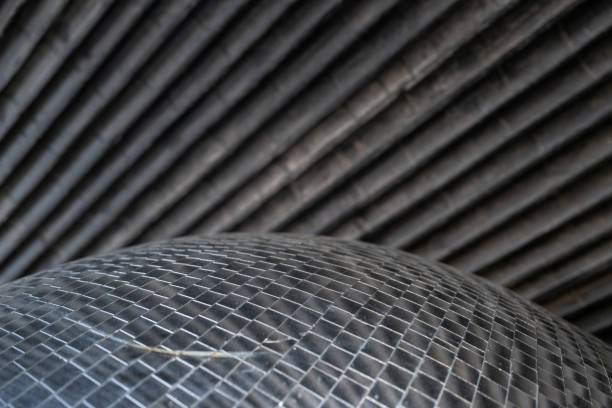
The solution lives in the Guidance, Navigation, and Control (GNC) system, which is the rocket’s version of a fighter jet’s flight computer. But the hardware that actually bites the air and applies the force is the grid fin. Each fin is a lattice of crisscrossing ribs, looking like a high-tech cooling grate. When stowed, they lie flat against the rocket’s fuselage. During descent, they deploy outward and pivot independently. The structure is pure overkill—machined from a single block of titanium to withstand temperatures that would melt steel. The gaps in the grid actually help them work better than solid fins. At supersonic speeds, a solid fin creates a powerful shockwave that can detach and cause instability. The grid lets some air pass through, reducing the shock angle and maintaining control authority even as the rocket plummets at Mach 5.
But a fin is only as good as the brain behind it. That brain is a triple-redundant flight computer running custom algorithms that calculate position, velocity, and attitude hundreds of times per second. The GNC system fuses data from GPS, inertial measurement units, and radar altimeters. It knows exactly where the rocket is, where it needs to go, and what the atmosphere is doing to it. When the fins pivot, they create aerodynamic torque vectors that steer the rocket toward its landing target. But here’s the kicker: at high altitude, the air is thin, and fins are nearly useless. So the rocket uses cold gas thrusters and the gimbaling main engine for initial orientation. Only when it drops into thicker air do the grid fins take over. That transition is a control nightmare. If the fins engage too early, they fight the thrusters. Too late, and the rocket tumbles. SpaceX solved this with a control law that blends inputs smoothly across the flight envelope, essentially treating the whole rocket as one massive flying tractor beam.
The precision part of precision landing comes down to iterative targeting. The GNC system doesn’t just aim for the drone ship. It continuously recalculates a “landing point” based on wind, drag, fuel slosh, and the performance of the engine’s restart. The rocket actually overflies the target slightly, then pitches back, bleeding off horizontal velocity. This is called the “boostback burn” for missions returning to land, or a “reentry burn” for droneship landings. The grid fins steer the rocket through that entire ballet, making micro-corrections every few milliseconds. When the rocket finally gets close, the engine throttles deep down, the landing legs deploy, and the fins lock into a position that keeps the rocket vertical during the final seconds.
The result is landing accuracy measured in meters, sometimes centimeters. On a calm day, the booster touches down with a gentle thud that barely dents the deck. On a windy day, the fins work harder, but the system still nails it most of the time. Failures happen—they always do in rocketry—but each failure teaches the algorithm something new. The grid fins themselves are reusable. After a landing, technicians inspect them for microcracks, clean off the soot, and bolt them back onto another booster. Some fins have flown a dozen times.
If you strip away the hype, the grid fin and GNC combination is a triumph of applied physics and ruthless engineering. It turned a one-way ticket into a round trip. For anyone following spaceflight, this is the part that matters most. The rocket engines get the glory, the payloads get the headlines, but the landing is where the future lives. Because until you can bring it back, you’re just throwing money into the sky. SpaceX stopped throwing. They started steering.
Space News
Latest Articles
New rockets, upcoming launches, and the stories shaping humanity's push off this planet. No astronomy degree required.